Noble: Regenerative ag and livestock go hand-in-hand
With cattle prices at levels no one could have predicted, presenters at Noble Research Institute say that producers need to keep in mind forage is critical for long-term success.
Noble Research, in Ardmore, Oklahoma, recently had a two-day program to help producers develop a long-term outlook when it comes to forage resources and use principles of regenerative agriculture. Noble Research offers in-person and online educational programs.
Doug Jobe, Sky Toney and Will Moseley, regenerative ranching advisers, led the presentation that included group activities that focused on real-world scenarios, demonstrations, and pasture and ranchland tours where these principles were deployed.
Doing what’s best for water and soil does pay off, Jobe said. Some of the principles are timeless, that encourages farmers and ranchers to avoid having bare soil on cropland, using no-till and reduced tillage; prevent erosion; and rebuild soil health that can apply to cropland and rangeland.
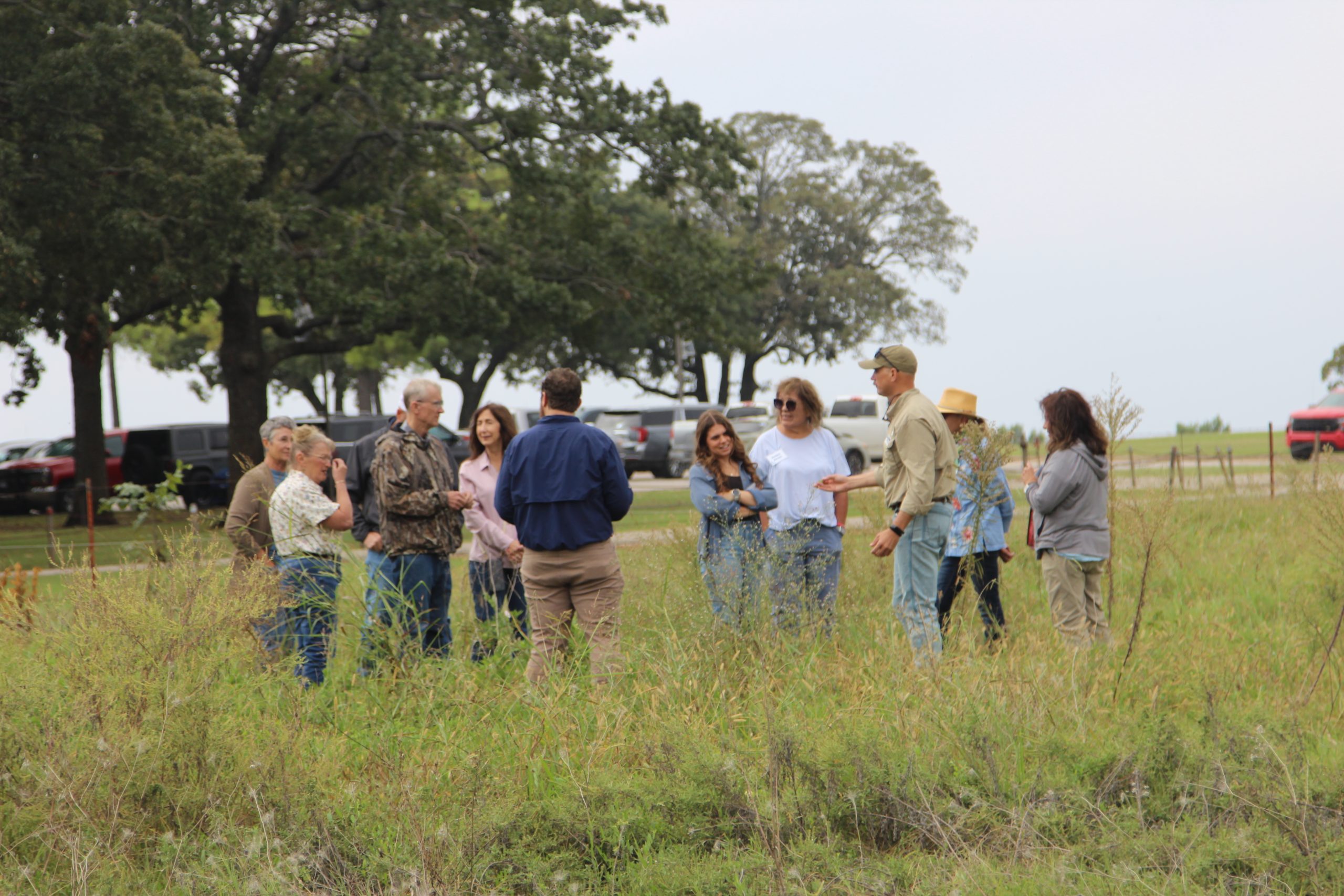
Noble has seven ranches that employ more than 200 people and cover about 14,000 acres. Pictured above, participants learn about what makes a diverse pasture during a class at the Noble Research Institute.
Livestock integration
While cattle take center stage, presenters noted that integrating other species including sheep and goats can help a producer to maximize forage resources and balance it with rebuilding soil.
Toney said a healthy soil takes planning and patience.
Six principles he covered were: 1) know your context; 2) cover the soil; 3) minimize unnatural soil disturbance; 4) increase diversity; 5) maintain continuous living plants and roots; and 6) integrate livestock.
Toney reminded attendees that each ranch operation is different and rangeland and forage within the operation may significantly vary. Covering the soil not only reduces erosion and runoff; it provides a way to capture moisture.
Strategically deploying livestock but not overgrazing can take advantage of forage without robbing future plant growth works, he said.
He said an ungrazed field can be strategy. Researchers noted that using a paddock system can let both practices occur in the same pasture.
Plus, integrated livestock can produce manure that helps build soil health.
A well-designed regenerative ag operation uses livestock where manure builds soil health. The hoof can help to spread out the manure. A healthy ecosystem can better support livestock.
“Stocking rate is a management decision,” Jobe said, adding there is a difference between forage demand and forage supply. “Forage supply equals carrying capacity.
“Carrying capacity can change year to year.”
How a rancher manages his grazing program and recovery rate can optimize soil health and the principles of rangeland recovery are different from resting the land, but the end goal is to have reliable forage, Jobe said.
To cover the ground, perennial plants plus a strategy of warm- and cool-season grasses adds to plant diversity, Toney said.
Individual situations
The presenters on several occasions when asked about individual situations agreed that ultimately the operator will have to make his or her own decision about operations. Trying to predict droughts and forage production in the High Plains region points to the need to pivot on strategy as a rancher needs to be profitable.
They also said that continuing to improve soil health by using regenerative agricultural practices is a long-term investment that pays off.
Invasive species
Jobe said ranchers also need to control invasive species that can thrive when the grasses in a pasture struggle. Those can include eastern red cedars and sericea lespedeza that can choke rangeland.
His advice was to catch invasive species early. He also agreed with one comment that the best long-term success to eradicate invasive species is with cooperation with adjacent property owners.
Eradication techniques may also include prescribed burning and crops and other species of livestock can be helpful, Jobe said. He was a fan of using alternative livestock, but recognized that ranchers who are unfamiliar with sheep, goats or other grazers, should take time to learn about their strengths. They also need to make sure they have support services including a veterinarian who can help guide them on their health needs.
Patience is a virtue
Toney urged those who want to use a regenerative approach to be patient and to start small and evaluate the results.
He knows that when a rancher and landowner changes a practice that goes against tradition it can cause uneasiness even within a family, which is why communication with all family members, suppliers and lenders is a must. The goal, he said, is to make sure an operation can be successful for many years.
“Being a good steward is important for future generations,” he said.
Presenters said what works is to have realistic goals, be specific, set a timeline, and consider the costs of production. They also said it is going to be a multi-year process and with today’s cost of inputs from traditional practices, a transition may not be as high as it would have been in previous years. They also stressed that every region has different soil types and can vary even within a tract of land.
Jobe said a healthy soil, from a regenerative mindset, should require fewer inputs, retain water and lessen the impact of drought.
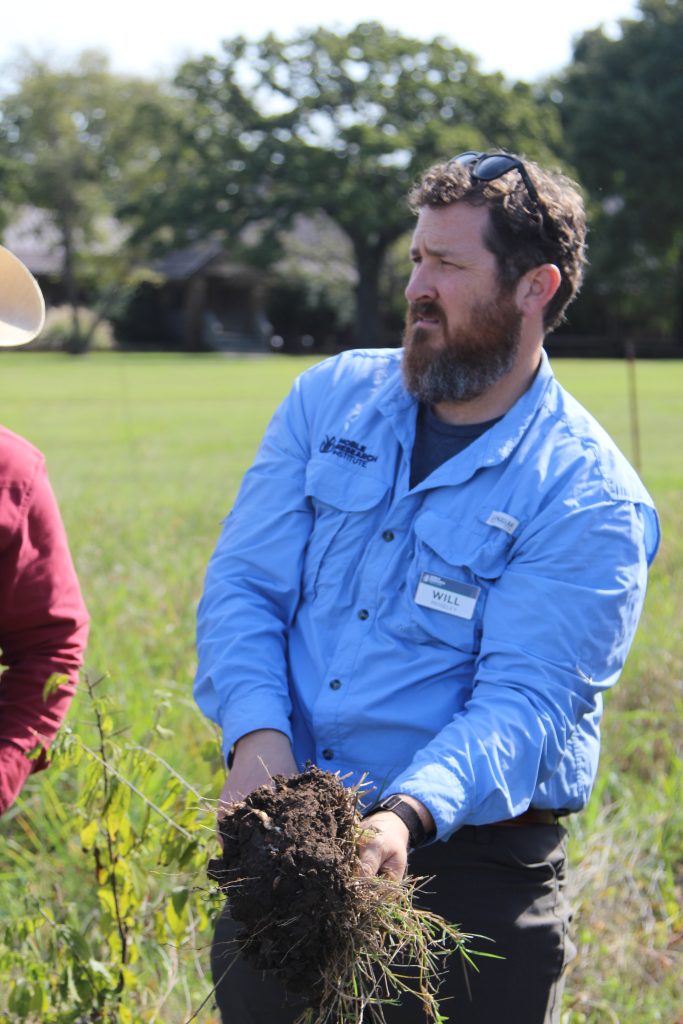
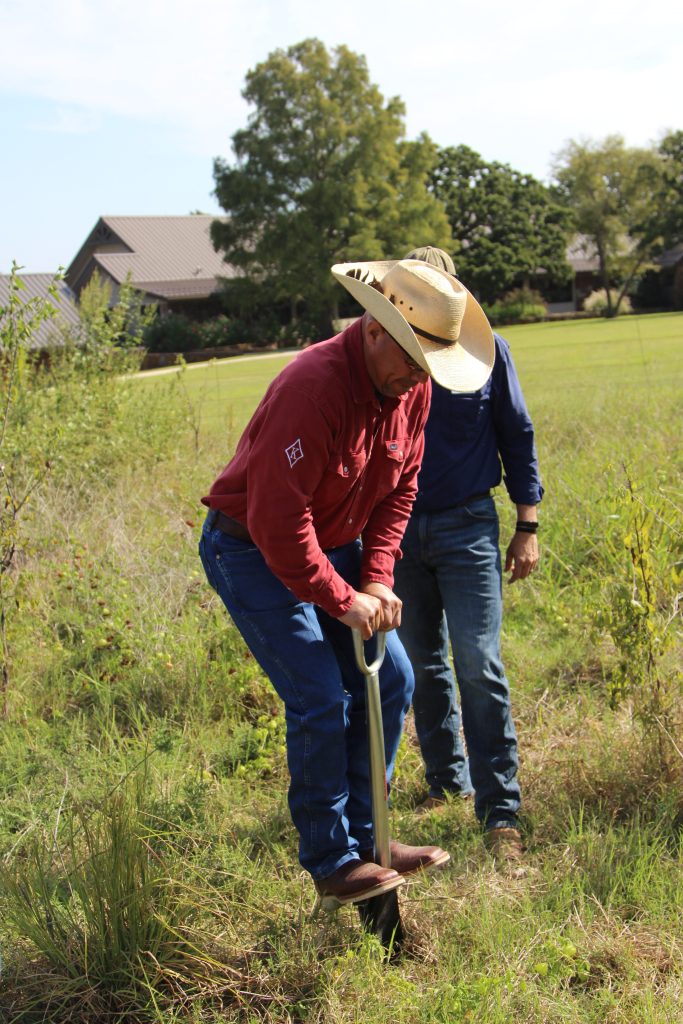
Moseley encouraged ranchers and landowners to monitor soil health, which can be accomplished with soil tests. He also encouraged them to take a shovel and dig into the soil deep enough to observe root growth. Roots of most beneficial plants will have a vertical orientation.
“If you only look at the surface, then looks can be misleading,” Moseley said.
When inspecting, look at the color, texture, signs of worms, and even smell it, he said.
For more information on Noble Research Institute, visit www.noble.org.
Dave Bergmeier can be reached at 620-227-1822 or [email protected].