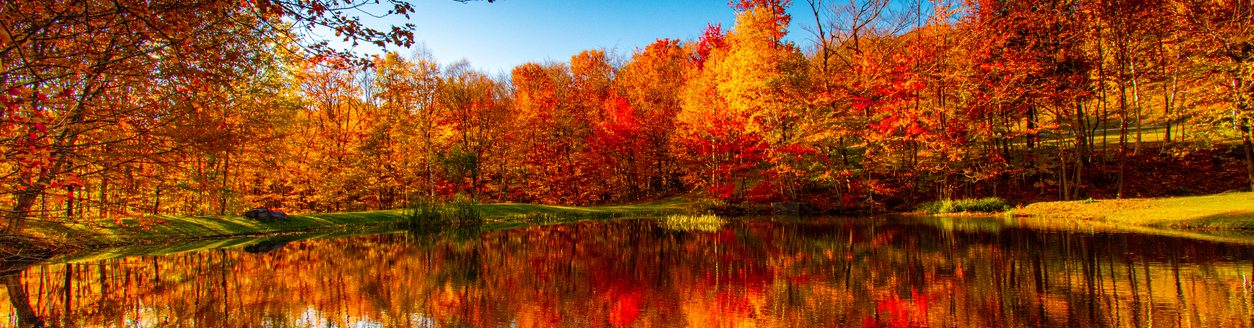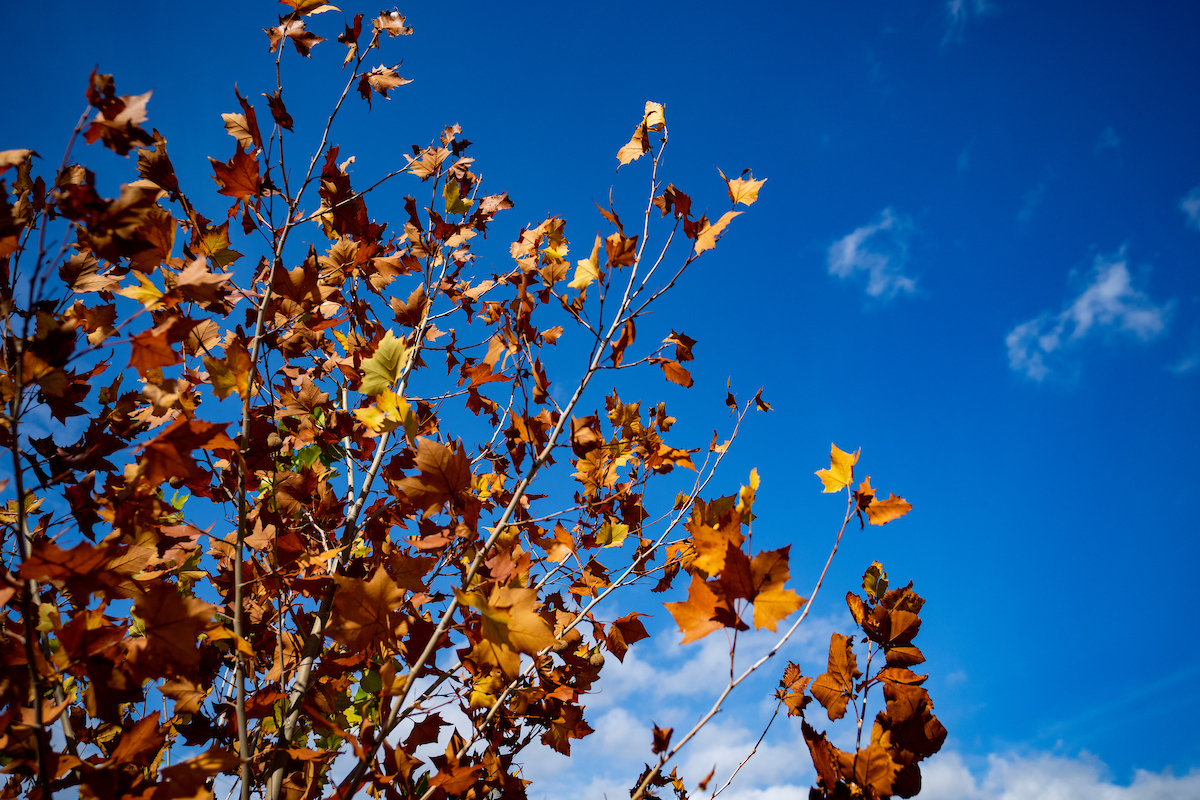
When summer fades and fall emerges, lush green tree leaves give way to a variety of warm hues that mark the changing of seasons, and many people anticipate the chance to catch a glimpse of the magic.
But it’s not magic at all, and those brilliant autumn colors have always been there. Texas A&M Forest Service woodland ecologist Kimberlee Peterson explains the process.
The chemistry behind the color change
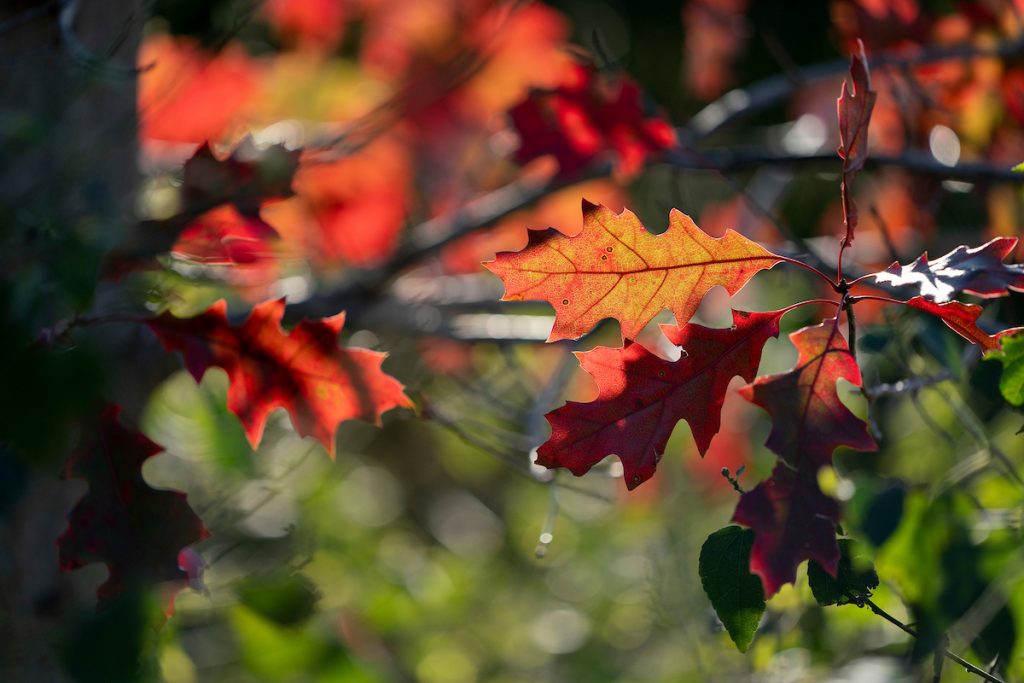
While fall colors seem to magically appear, they are really the result of color and chemistry.
Tree leaves reflect colors like green, yellow, orange and brown because they contain pigments that play critical biological roles.
“During a tree’s growing months, chlorophyll dominates the color makeup of the leaf, creating various shades of green,” Peterson said. “Beyond its color and perception to the human eye, chlorophyll is an essential molecule in the photosynthesis process.”
When heat stress or cool temperatures occur, chlorophyll and the green appearance of leaves are destroyed, allowing other pigments to emerge. Although these pigments begin to appear in response to changes in environmental conditions, they were present in the leaf all along.
When pigments such as carotenes, xanthophyll and anthocyanin become more dominant in leaves, they often create the notable fall colors of red, orange, yellow, crimson and purple.
Carotenes, xanthophyll and anthocyanin
Sassafras, sweetgum, bigtooth maple, red oak, Tupelo and sumac are Texas-native trees that produce the most brilliant colors because they contain anthocyanins, a key compound that masks chlorophyll later in the growing season, preventing excessive light energy absorption.
The formation of this pigment depends on carbohydrate accumulation in the tree, the tree’s genetic properties and environmental factors. The fall colors produced by anthocyanins are often more vibrant because the red pigment is intentionally produced to block sunlight.
Other trees contain carotenoids, which also create those vibrant reds, oranges and occasionally yellows in the fall. Carotenoids are responsible for helping trees absorb light energy for dormancy and protect leaves from sun damage after the photosynthesis process is completed in autumn.
Carotene and xanthophyll are subcategories of carotenoids.
Carotenes also produce fall colors of red, orange and occasionally yellow. Texas-native trees like black hickory, pecan and elm contain levels of carotene.
Xanthophyll typically produces yellow and orange pigments; however, red, pink and purple pigments may also develop. Texas-native trees like ash, American beech and river birch contain high levels of xanthophyll.
Timing and conditions
As any fall color-change enthusiast knows, a tree’s autumn brilliance is never promised — some years they may produce a vivid mosaic pattern while other years they suddenly drop their leaves with little to no transition.
“Fall colors are nearly unpredictable,” Peterson said. “The destruction of chlorophyll and transition into the emergence of fall pigments closely depend on environmental factors, including temperature, light and moisture. Fall colors can even be influenced by environmental factors from six to nine months before fall.”
Where to see fall colors in Texas
While Texas’ fall may not resemble that of an East Coast fall, there are still many opportunities to view the chemical magic in trees.
“East Texas is characterized by soft and hardwood trees, which can offer a patchwork of fall colors,” Peterson said. “Central Texas water basins, however, are comprised of bald cypress, cottonwood and sycamore trees, which often display a more unified transition to fall.”
For Texans farther west, Peterson recommends destinations such as the Lost Maples State Natural Area, home to a protected stand of Uvalde bigtooth maples. As of Oct. 31, Texas Parks and Wildlife Department reported that fall colors will emerge at the Lost Maples State Natural Area soon.
While the rest of the country is at or past its peak fall foliage, Texas’ peak fall foliage remains one of the latest in the nation. The Smoky Mountains Fall Foliage Prediction map provides resources for tracking fall foliage across the country.
TOP PHOTO: Trees showing fall colors alongside the Llano River in Llano, Texas on Monday, Dec 05, 2022. (Sam Craft/Texas A&M AgriLife Marketing and Communications)