Handling weed pressure takes strategic planning
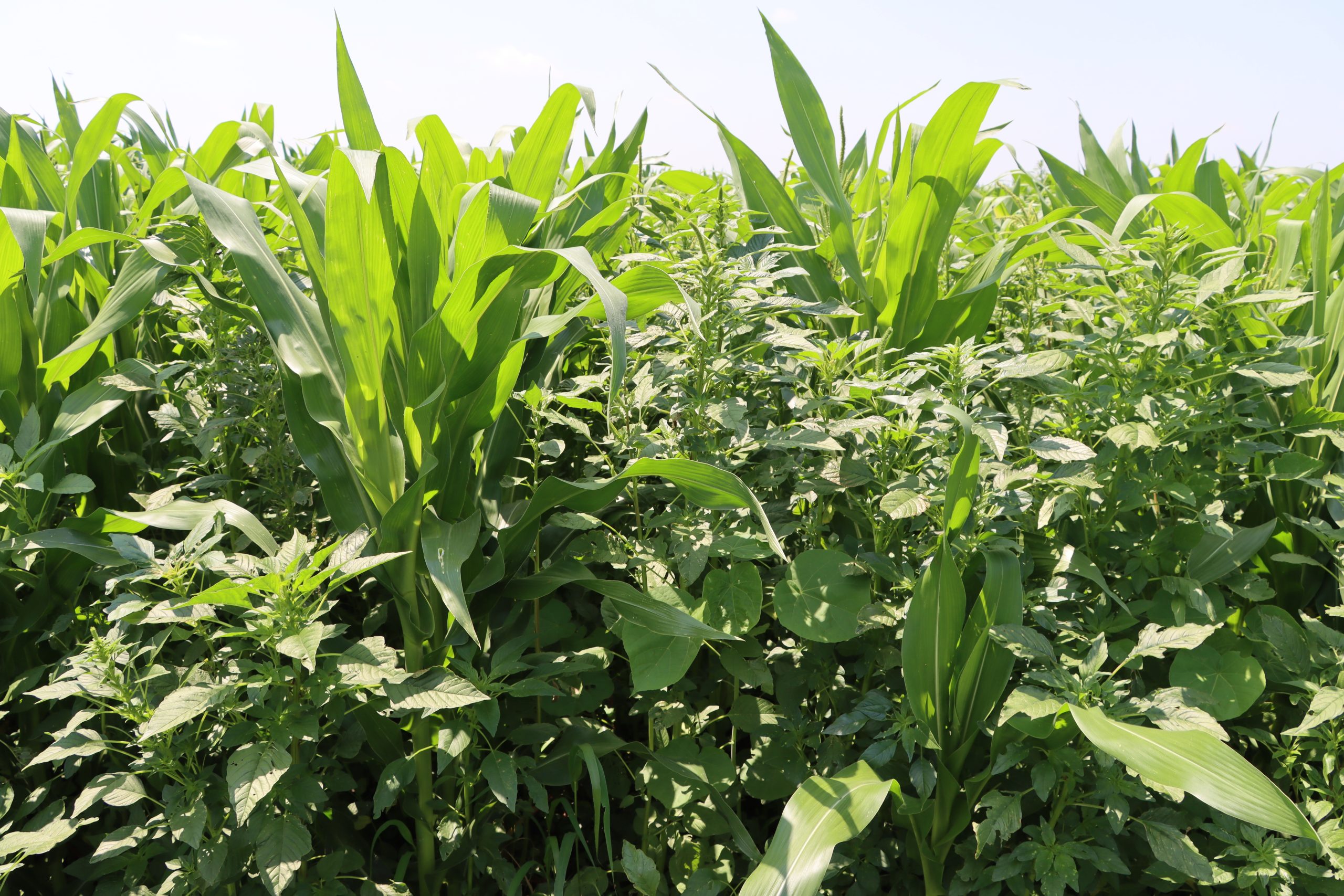
For many years growers have benefitted from genetics and HPPD herbicides to boost production, but weeds continue to build resilience.
BASF Technical Marketing Manager Matthew Inman, said HPPD herbicides are facing tougher challenges, particularly against waterhemp and palmer amaranth. Growers have used HPPD herbicides (Group 27)—a class of weed killers that stop plants from making essential pigments and boosts corn, cereals and other crops—but weeds are persistent.
“In general, it just continues to be a challenge every year, especially with the economic climate we’re in,” Inman said of today’s higher input costs and lower cash prices for corn and soybeans.
The result is growers might be tempted to cut back on herbicide application or skip a rotation plan, but Inman cautions that can be a short-sighted way to address waterhemp and palmer amaranth. “The reason why we recommend not doing that is it’s crucial to look at weed management with a long-term approach.”
High quality crop seeds are essential in a weed management program, he said. Backed by university research that have shown that yields will decline with input cutbacks. If a grower tries to cut corners, he will often pay for the following year with much more aggressive and costly practices because the weed seeds got a head start.
Inman said weeds can develop resistance to herbicides because they can adapt and evolve, and growers understand that too.
It also means farmers may need to develop stewardship practices that can keep viable products as effective as long as possible, he said.
“All of this becomes a part of a weed management program, but it really is upon all of us to do everything we can,” he said.
The amaranth species of waterhemp and palmer are prolific seed producers, he said. Letting one plant go to seed can produce over a million seeds. If only 30% of those seeds turn into weeds, that means 300,000 seeds a farmer will grapple with.
Soybean and cotton crops—because they have shorter plants—are more susceptible to weed pressure, he said. Corn can compete because plants will grow fast and provide shade, which hampers weed growth that needs the sun.
However, Inman said it is important to rotate crops to slow HPPD resistance. In the High Plains that can include sorghum, soybeans, and wheat.
As producers look to 2026 and beyond, harvest time is often the right time to spot weed pressure in every field, and growers can make observations and document them. Inman outlined an approach most producers can relate to. “I’ve got a heavy spot here or more weed pressure there. Maybe this field looks worse. What did I do different? Let’s look back, or maybe this year, past couple years, what did I do?”
Inman said comparing notes from year-to-year is an effective management strategy.
A cover crop or different grain crop can be effective, he said. Also, a strong plan also needs to have flexibility because no two years are alike.
“Herbicides are our backbone,” he said.
Also, a successful program can also include cover crops. How a grower deploys row space or seeding rates can help the crop to develop a canopy to counteract weed growth.
Inman also suggests a checklist that growers can use to help with in-season strategies. A proven formula is spraying a weed when it is less than 4 inches tall, which is much more effective and less expensive than trying to address a weed that is 2 to 3 feet tall.
BASF is continuing to invest in new products and practices. The company has several new products available. For corn, Surtain herbicide is a preproduct that shows great efficacy and soybean growers should take a look at Digital +.
Inman stresses that producers should stay in contact with their BASF representative, technical services representative and retailer.
For more information, visit www.agriculture.basf.us.
Dave Bergmeier can be reached at 620-227-1822 or [email protected].