I have been critical of countries such as the United Kingdom for relying on imported food. In February 2022, I spent a week in the UK and learned that it was 65% reliant upon other countries to feed their people.

I am no longer as critical because since 2022 we have created much of the same scenario here at home. It appears that we have lost sight of the fundamental components of freedom; domestic food and fuel production are a means of national security. Ironically, we are continually battered with news about the importance of domestic fuel needs (which have been self-sustaining since 2018) but never do we hear about the need to produce most or all of our own food.
I did an interesting calculation. The United States consists of about 2.4 billion acres and we claim a population of about 340 million people, which figures out to 7.05 acres per person. The UK has 60 million acres and 69 million people, which is less than 1 acre per person. That makes us look even worse for importing large food supplies when we have plenty of acres for production.
Since the latest announcement from the Trump administration about increasing imports of Argentinian beef, I looked at the numbers again and it seems clear that his plan is to destroy the local food and meat suppliers that we have been supporting and building in the U.S., especially since COVID-19. It dawned on me that I time talking about meat, dairy and eggs, but what about the status of fruits and vegetables?
La Grasso Brothers from Michigan in a Feb. 12 report wrote of the current condition of the fruit and vegetable world. This just jumped off the page at me right away:
Fruits & Vegetables Tariff Update: President Trump has officially confirmed that tariffs under the USMCA (United States–Mexico–Canada Agreement) will not be implemented on fresh produce from Canada and Mexico. As such, shipments from these two countries will remain unaffected. Tariffs will remain in place on certain items and countries such as Colombia until new trade agreements are reached.
Here are a couple more tidbits of worthy information from their newsletter:
Total U.S. agricultural imports are projected to drop to $210.5 billion in 2026 from an all-time high of $220 billion in 2025, but horticultural products (fresh produce) remain a major component.
As of early 2025, the U.S. relies on imports for 59% of its fresh fruit and 35% of its fresh vegetables, with significant, growing import shares in products like tomatoes, berries, and cucumbers. The U.S. agricultural trade deficit is expected to remain high at $41.5 billion in 2026, driven largely by the import of high-value commodities like fresh produce.
I found the statement that everybody expects, noting that prices are going up. This is from Jonna Parker of the Fresh Food Client Insight Group:
Across most grocery departments, average retail prices are up between 30% and 40% since 2019. Meanwhile, produce is up by about 18% per pound on average during the same period — and some items cost less now than they did seven years ago.
To wrap up, we will look at a sentiment from The Packer Fresh Trends 2026 survey that was conducted with research partner Prime46. They asked more than 100 consumers across the country about their fresh produce buying habits in 50 commodities.
Fresh Trends 2026 finds that while an overwhelming 82% of respondents think they’re paying more for fresh fruits and vegetables than they were a year ago — a sentiment that is especially strong among households with annual income over $50,000, families with kids, Gen X and baby boomers — nearly two-thirds, or 63%, of respondents say their fresh produce consumption has stayed the same in the past 12 months or even slightly increased, despite rising prices.
I am no longer critical of the UK because we have our own food supply problems. For the record, this trend has been developing since 2008 and I think we have lost the commitment to turn it around. Of course, we hear the daily political rhetoric about it. but the actions on the ground do not match their words. I did learn through my research that bananas are the most commonly purchased food item in this category, followed by potatoes. No matter how you peel this back, we have a lot of work to do with food being a matter of national security. Quit rambling about the DC lip service and allow farmers to grow food to feed the world as we once did.
Editor’s note: The views expressed here are the author’s own and do not represent the views of High Plains Journal. Trent Loos is a sixth-generation United States farmer, host of the daily radio show “Loos Tales” and founder of Faces of Agriculture, a non-profit organization putting the human element back into the production of food. Get more information at www.LoosTales.com, or email Trent at [email protected].
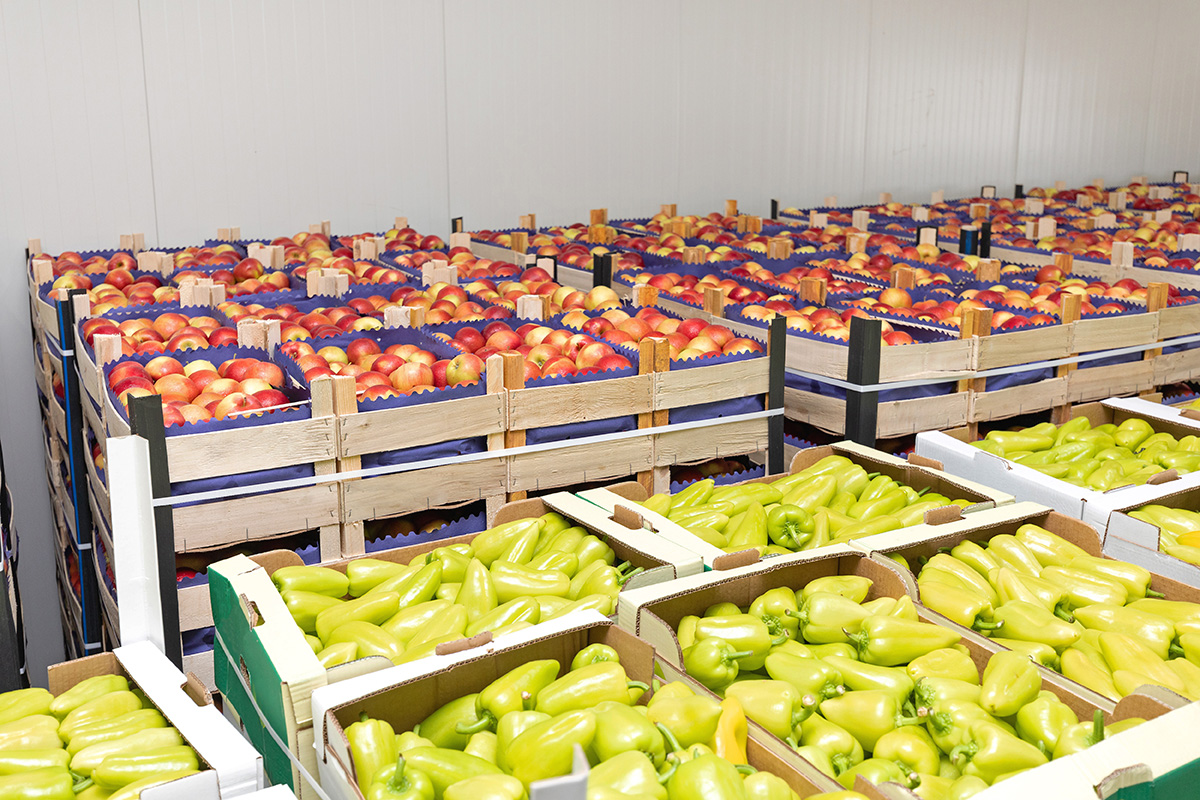
PHOTO: Apples and peppers crates. (Adobe Stock │ #308601356 – markobe)