
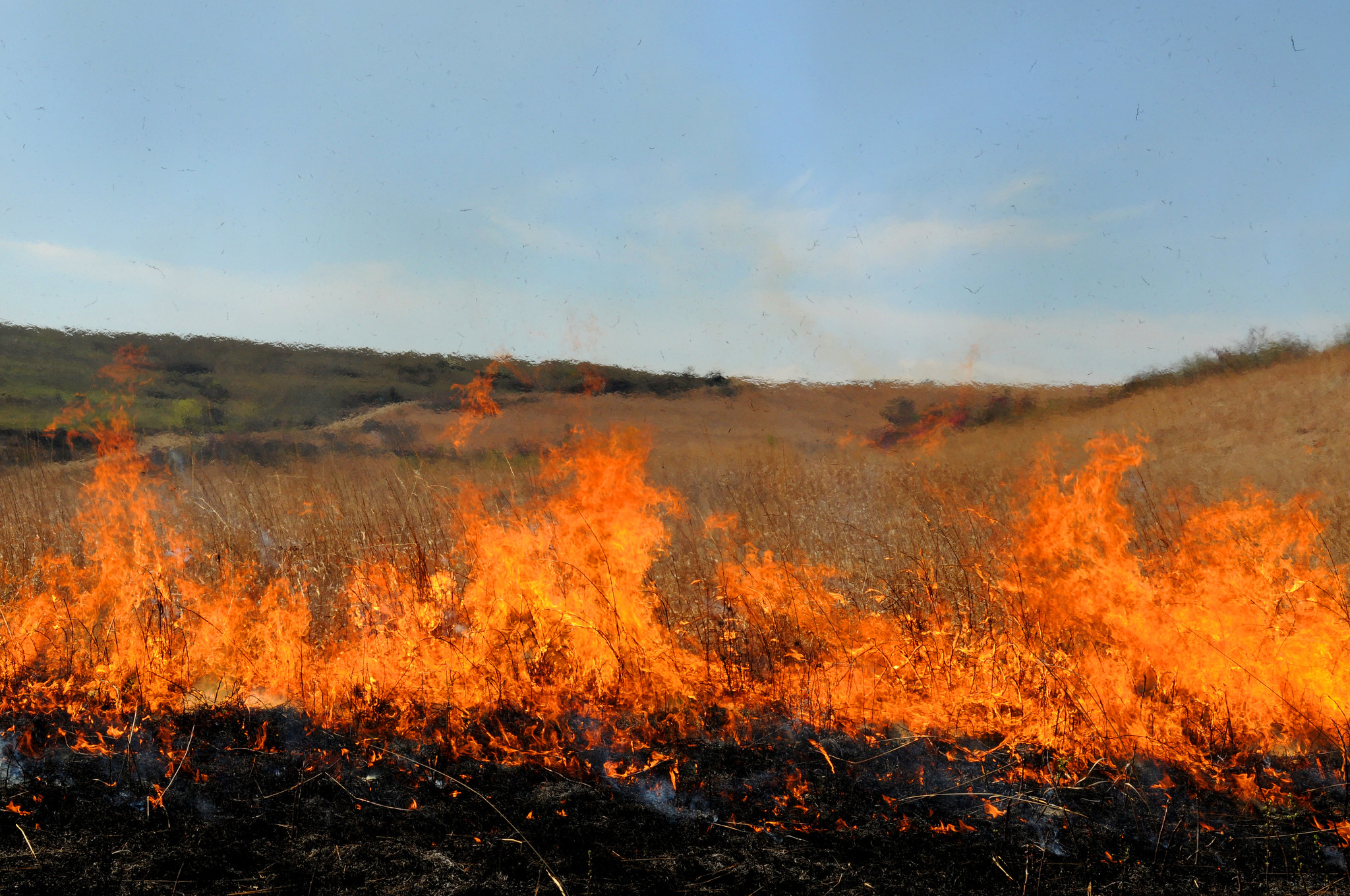
Fire prevention expert explains the steps that people should take during the wildfire season
The Ranger Road Fire that started southeast of Beaver, Oklahoma, on Feb. 17 burned more than 283,000 acres in northwestern Oklahoma and southwestern Kansas.
Considering the fact that hundreds of cattle were lost and several structures damaged or destroyed, a Kansas Forestry Service fire prevention specialist is highlighting steps people should take to protect their homes, livestock, pets…and themselves.
“We forecasted fire season 2026 to be above average and it’s shaping up to be just that,” said Shawna Hartman, a fire prevention specialist with the Kansas Forest Service. “One of the reasons is the amount of fuel and the unseasonably warm weather that we’ve been having has increased the curing of our vegetation.”
Because most of the Great Plains received precipitation towards the end of the growing season last year, vegetation was able to grow above normal averages before freezing off. With the unseasonably warm weather in recent weeks, this vegetation has dried, creating prime fuel for wildfires.
“Our fire season usually starts in February and goes until green up, which is towards the end of April and into May,” Hartman said. “So be aware that anytime in that time frame there could be high fire danger and people could be at risk to be in the path of a wildfire.”
People can stay up to date through the National Weather Service, the Kansas Forest Service webpage, Facebook groups, and television and radio, Hartman explained.
When thinking about protecting structures and housing, Hartman said, “60% of homes burn from ember showers, not the flame front.”
“Think like an ember; what would an ember burn?”
When proofing homes and structures against wildfires, Hartman explained there are important things homeowners should do to prevent embers from burning:
- Remove leaves from gutters and landscaping.
- Water lawns and mulch
- Make sure there is no flammable vegetation near the structure.
Be Prepared Before the Fire
Having a plan and being prepared before the start of fire season through precautionary actions is the best way to prevent fire damage.
“Some of the best things homeowners can do is within the first five feet of their home out into their yard is to reduce flammable material,” Hartman said.
Hartman advised replacing natural mulch with rock in garden beds that border structures and suggested that homeowners consider installing a concrete patio or walkway within five feet of their home.
“One eighth of an inch screening on vents, attic vents and around a deck will decrease the number of embers that can get up into those spaces, reducing the flammability of a home,” Hartman said.
Act on the Open Plains
“If you own cattle, you need to be thinking about fire season as a whole, because once the fire starts, it’s going to be hard to move cattle in a timely manner,” Hartman said.
Moving cattle to a secure location with little vegetative fuel is the best place for animals if a full evacuation is not possible, she explained.
“Move them into a wheat field, or a location with minimal vegetation where they are not in abundant vegetation,” Hartman said.
She said that actively planning on how to evacuate livestock before a wildfire is the best measure to ensure herd safety.
“We’ve seen widespread devastation, not just here in Kansas, but also in Nebraska involving our livestock herds,” Hartman said. “Thinking about where you could move your cattle now before the risk is high to extreme may be the best option.”
Kansas Forest Service Provides Support
“The main purposes of the fire program at the Kansas Forest Service are to support our local fire departments and in a wide range of ways, even before the fire hits,” Hartman said.
Providing active training to fire departments across the state of Kansas, KFS has a fire management officer in each quadrant of the state. The service also aids any fire department that requests aviation, ground and management resources.
“When we ask ourselves, ‘How can we prevent wildfires from happening in that same area again?’ the answer is through education and outreach programs across the state,” she said.
More information on how to prepare and create a plan against wildfires can be found online from the Kansas Forest Service.
PHOTO: Konza Prairie Fires (K-State Research and Extension)



