
Soybeans up and corn down in planting report
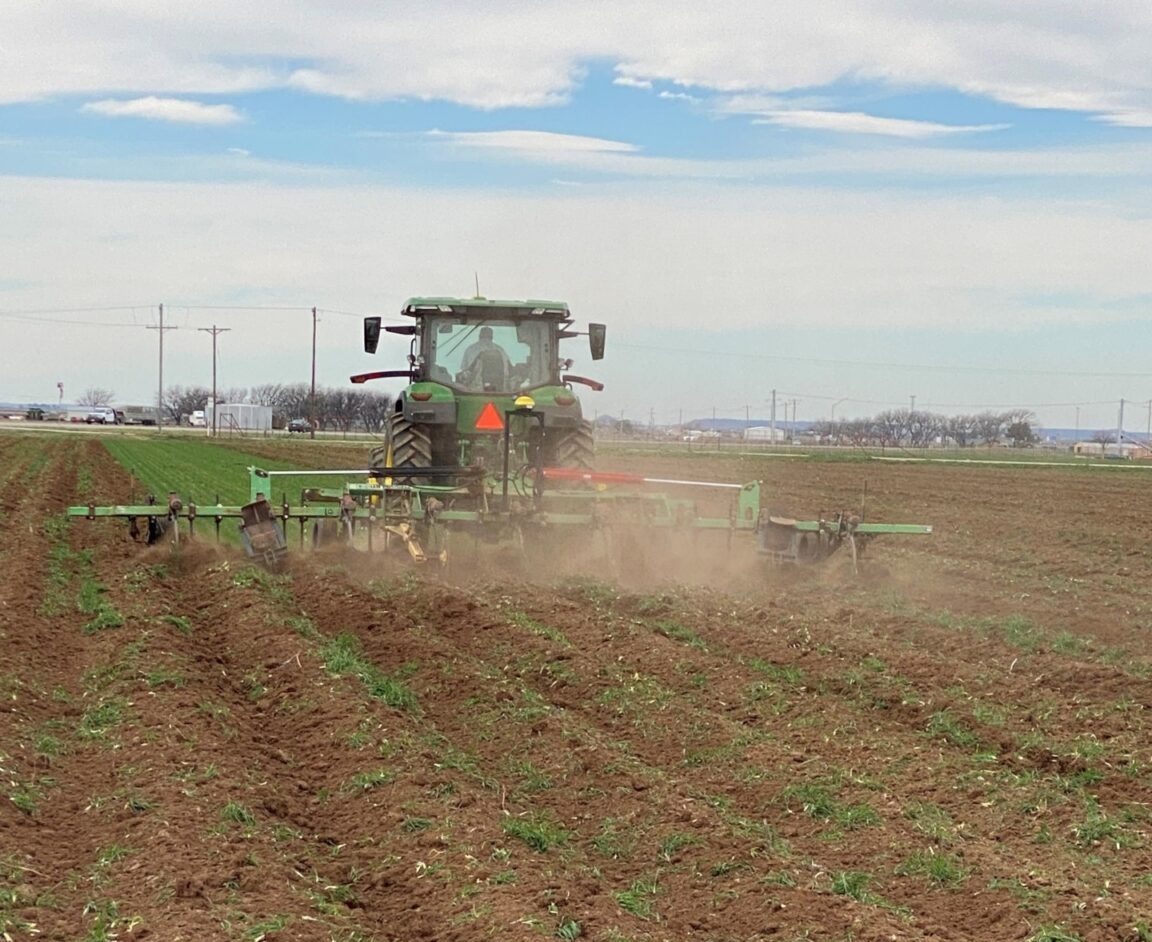
Farmers are thinking about planting more soybeans and cotton and less corn and wheat. That was the message of the planting intentions reports released March 31, by the U.S. Department of Agriculture’s National Agricultural Statistics Service’s Agricultural Statistics Board.
Acres intended for wheat were the lowest since 1919, but cotton acreage was up.
Corn planted area for all purposes in 2026 was estimated at 95.3 million acres, down 3% or 3.45 million acres from last year. Compared with 2025, planted acreage is expected to be down or unchanged in 37 of the 48 estimating states. The largest corn acreage decline occurred in South Dakota, where growers said they intend to plant 550,000 fewer acres, an 8% decrease. The largest acreage increase occurred in Kansas, where farmers plan to plant 250,000 additional acres, a 4% increase.
The soybean planted area for 2026 was estimated at 84.7 million acres, up 4% from last year. Compared with last year, planted acreage was up or unchanged in 20 of the 29 estimating states. The largest change in planted acreage by state occurred in Arkansas, where growers said they intend to plant 510,000 additional acres of soybeans, a more than 20% increase over the previous year.
A shift from corn to soybean acres was expected by many analysts who cited continued high input costs, especially fertilizer, exacerbated by the closure of the Strait of Hormuz and the war in Iran. Corn margins continue to be tight, and last year’s corn acreage of 98.8 million acres was the highest on record since 1936, producing a record 17 billion bushels.
However, despite the decline from the previous record year, the corn acreage estimate was still high, according to some farm analysts—the fourth highest since World War II. Farm Progress proclaimed that “King Corn” will keep its crown for another year. The planting intentions report came on the heels of a February USDA report showing strong corn exports covering the week through Feb. 5. Wheat sales were also solid, while soybean sales slumped to a new marketing-year low.
A look at sorghum
Sorghum planted acres are expected to be above 6 million acres, which has been consistent the past couple of years, according to Dan O’Brien, professor and Extension agricultural economist with Kansas State University. Kansas is the top sorghum producing state in the country.
O’Brien spoke on a “Winning the Game Grain Marketing” webinar on April 1.
He said the crop’s projection is little bit lower than in recent years. Several economists have noted with higher input costs some farmers may explore other options and up acreage this year.
“We’ll see if that holds and what farmers do,” he said. “At the moment, we have seen on good news for sorghum is that again, China’s come back into the market, buying proactively. We were ready to throw in the towel about 17 to 18 weeks into this marketing year, starting Sept. 1.”
Since that time reports have shown strong weeks of ethanol exports, he said.
“So that’s the hope. And in fact, that is the strength in that again, China coming back in but others also, is at least as strong as almost any year we’ve seen in terms of the upward trend that we’ve seen in sorghum exports. And again, we are relying a lot on the export side for sorghum at this moment.”
David Murray can be reached at [email protected].



