
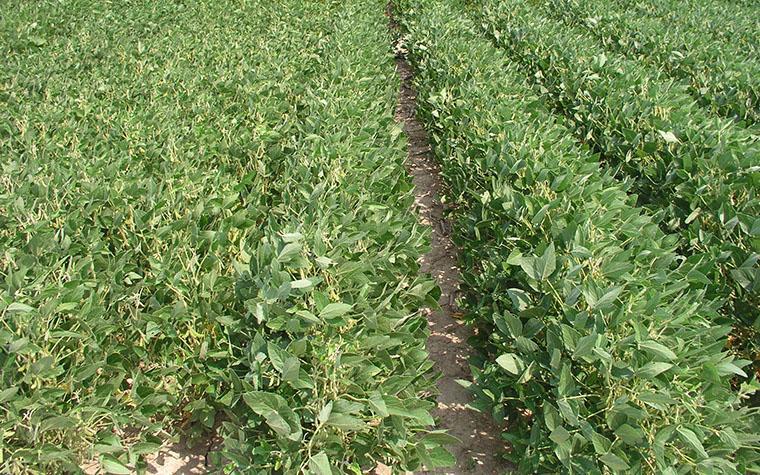
After an exhilarating August rally of over $1 a bushel, November 2026 soybean futures endured a lackluster 35 cent sideways trading pattern for most of September.
The holding pattern for prices was due to the unknown of the crop size growing in fields, the reality of strong domestic crush demand, while waiting patiently for news on Chinese demand. What will October bring for soybean prices?
From a marketing perspective
Heading into October, there was much uncertainty regarding the size of the United States soybean crop. Was the summer heat detrimental to yields? Were there enough timely rains in portions of the Midwest to produce record yield results in some areas.
As harvest nears, late September rains were keeping the harvest pace modest and is also keeping the size of the crop a large question mark. The Oct. 9 U.S. Department of Agriculture’s World Agricultural Supply and Demand Estimates report will shed light on the potential yield and production levels.
China soybean buying of U.S. supplies slowed in late September. The lack of export sales to China, along with unsatisfying news from U.S.-Chinese trade negotiations, (that China had left the 10% tariff in place on soybeans), sent soybean futures prices lower in late September.
The news was a blow, as many traders were hoping for better private Chinese crusher demand for U.S. soybeans if the 10% tariff was eliminated. Now all eyes will be on any fresh export sales to China during October. It is estimated that China has purchased approximately half of the 25 million metric tons of soybeans the Chinese have said they will commit to purchase for this marketing year.
Finally, an important item to be aware of as we head into October, is that managed money fund traders have built a massive, near record, net long position in soybean futures.
Be cautious, without additional bullish news soon, we may see funds exit some of those long positions and take profits, which could send soybean futures prices lower in the short term.
Prepare yourself
What will October bring? Harvest yield results that are better than expected? Or might the yield numbers be slightly smaller than expected?
There may be a short-term price correction to the downside due to technical selling and a lack of fresh news coming from U.S. and Chinese negotiations.
However, in the big picture U.S. soybean ending stocks are snug. Global ending stocks for beans are sufficient; however, the stocks-to-use ratio globally is trending smaller. With the El Nino weather pattern still strong, the weather in South America may be compromised in the upcoming months.
Traders will keep an eye on weather in Brazil and Argentina, as quite frankly, the world needs them to have abundant crop production in the upcoming growing season to meet global demand.
If you have questions, you can reach Naomi at [email protected] or find her on X (formerly twitter) @naomiblohm.
Futures and options trading involve significant risk of loss and may not be suitable for everyone. Carefully consider whether such trading is suitable for you in light of your financial condition. Examples of seasonal price moves or extreme market conditions are not meant to imply that such moves or conditions are common occurrences or likely to occur. Futures prices have already factored in the seasonal aspects of supply and demand. Total Farm Marketing refers to Stewart-Peterson Group Inc., Stewart-Peterson Inc., and SP Risk Services LLC. Stewart-Peterson Group Inc. is registered with the Commodity Futures Trading Commission (CFTC) as an introducing broker and is a member of National Futures Association. Stewart-Peterson Inc. is a publishing company. SP Risk Services LLC is an insurance agency and an equal opportunity provider. A customer may have relationships with any of the three companies


