In current economic time landlords, tenants need to be realistic
When it comes to renting land it is imperative that landowners and their tenants be realistic about their outcomes.
Gregg Ibendahl, an associate professor in the department of agricultural economics at Kansas State University, said cash rental rates are tied to farm productivity and farmers need good income not only for the current year, but for future years, too. In Kansas, more than 90% of farms rent some amount of farmland and of that land farmed nearly 80% of it is rented. He noted that even though land rental costs amount to 7% of total production costs, rent is still important.
Landlords and tenants need to be on the same page about crop prices, yields, weather, and expenses, he said.
“It’s a give-and-take relationship,” Ibendahl said. “Tenants probably do have somewhat of an advantage in negotiation because they’re usually the ones with a better source of information about what’s been happening out in farm country.”
The best agreements occur when both sides can walk away happy and understand the process and outcome, he said. “Neither the landlord nor the tenant should walk away thinking that they’re being forced into signing something that they’re not comfortable with.”
Honest dialogue is a must, he said. Sometimes landlords can have an unrealistic view on how much rent to expect because of several years of higher crop prices and may not recognize the tenant may have legitimate reasons why production dipped. Conversely, rental rates may need to be increased if an arrangement is using out-of-date information that also does not reflect the current marketplace.
In analyzing data over many years, he offered sage advice that both sides when it comes to cash rental rates should recognize and try to use realistic numbers for the next three to five years, taking into account expected prices and farm income. Price aberrations of extreme highs or lows can paint an unrealistic picture.
Three years ago, when corn was $8 a bushel and soybeans were selling for $16 a bushel that generated record farm income and that is a rarity, Ibendahl said. Historically when crop prices are high so are inputs and other production expenses.
At the time of his comments in late February it was before the tariff wars began and he said then if some of those were implemented it likely will impact the cost of inputs and outputs.
“It’s really hard to predict exactly what’s going to happen with net farm income. I feel comfortable when I do my net farm income estimates for Kansas to maybe forecast out a year, possibly two years out but, really, if you go beyond that it becomes a bit of problem to make a good estimate.”
When he looked at recent years, if producers can project their farm income over several years, they can translate to a crop acre basis to pay for cash rent.
Robin Reid, an Extension farm economist with K-State, said land values have slowed from the double digit increases from just a few years ago, and that is because of notable factors including farm income is much less than in peaks of recent years.
Cash grain prices have declined significantly the past several years for the major commodities grown in the High Plains—wheat, corn, soybeans and sorghum—and that has caught the eye of farm economists. Historically, cash prices have a direct impact on land values.
Reid said in late February farmers have been storing grain with hopes of price spikes that have yet to occur. Even with drought problems in Kansas the past couple of years, “across the United States, we’ve seen pretty big crops pretty large stockpiles, as farmers have held onto those crops, waiting for some better prices.”
A strong U.S. dollar makes exporting crops more expensive to importing countries.
Political tensions, with tariffs in the headlines, have created turmoil with the U.S. biggest trading partners—China, Mexico and Canada, she said. The tariffs and reciprocal tariffs have caused unease and how that might impact crop prices and agricultural land values remains to be seen.
In most areas of Kansas, land values in 2024 increased over 2023 as she noted there was less land on the market and wider variability in price. Farm profitability would suggest land values could flatten or even start coming down, she said, but beef cattle prices continue to remain high and federal farm payments are expected to be in the pipeline to temper that.
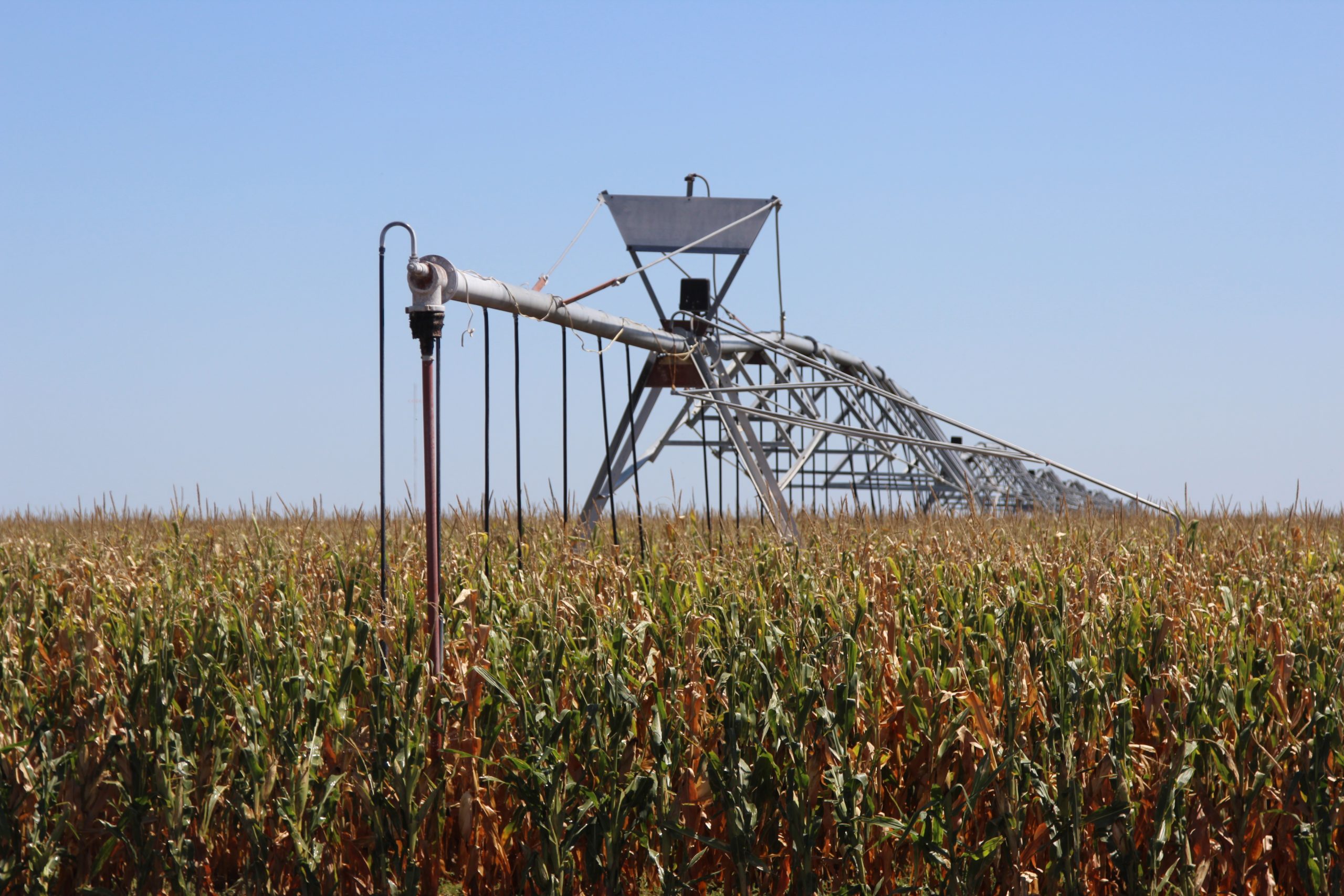
Irrigated cropland also is highly valued. In southwest Kansas, for example, irrigated cropland averaged $4,841 per acre in 2024, a 16.6% increase over 2023. Trends for irrigated acres in most areas of Kansas have increased since 2018.
In drought-stricken areas of Kansas, pasture values have been flat, she said. Ranchers have incentives to expand their herds, but that also depends on favorable weather for forage and rangeland, plus interest rates are higher than they were four years ago.
Another variability is rangeland values are of interest to hunters and outdoor enthusiasts and that is often driven by the general economy, she said.
Both Ibendahl and Reid spoke on “Land Values and Lease Rates” as part of the agmanager.info series from K-State’s department of agricultural economics.
Dave Bergmeier can be reached at 620-227-1822 or [email protected].
Related coverage and resources
- Related on HPJ: Is your land lease agreement benefiting you?
- Related on HPJ: Downward trend in Iowa cash rental rates for 2025
- Outside resource: K-State Research and Extension