Is your profession heavy on the soul?
“Our grandparents lived lives that were hard on the body but gentle on the soul. We live lives that are easy on the body but heavy on the soul.”
This quote was on a video on social media recently, and I watched it several times before I took a screen shot. Reading it led me to reflect on a couple of things.
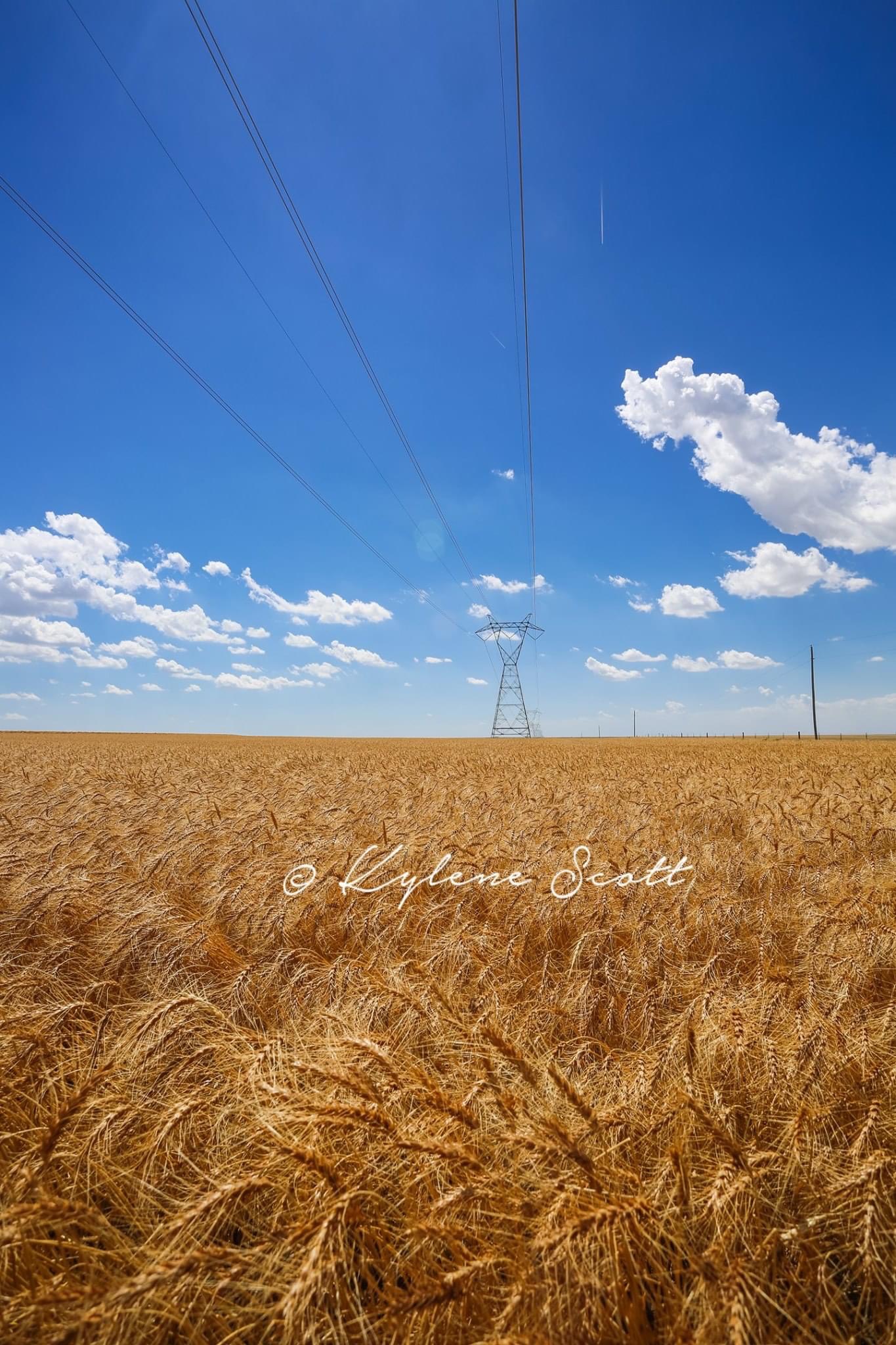
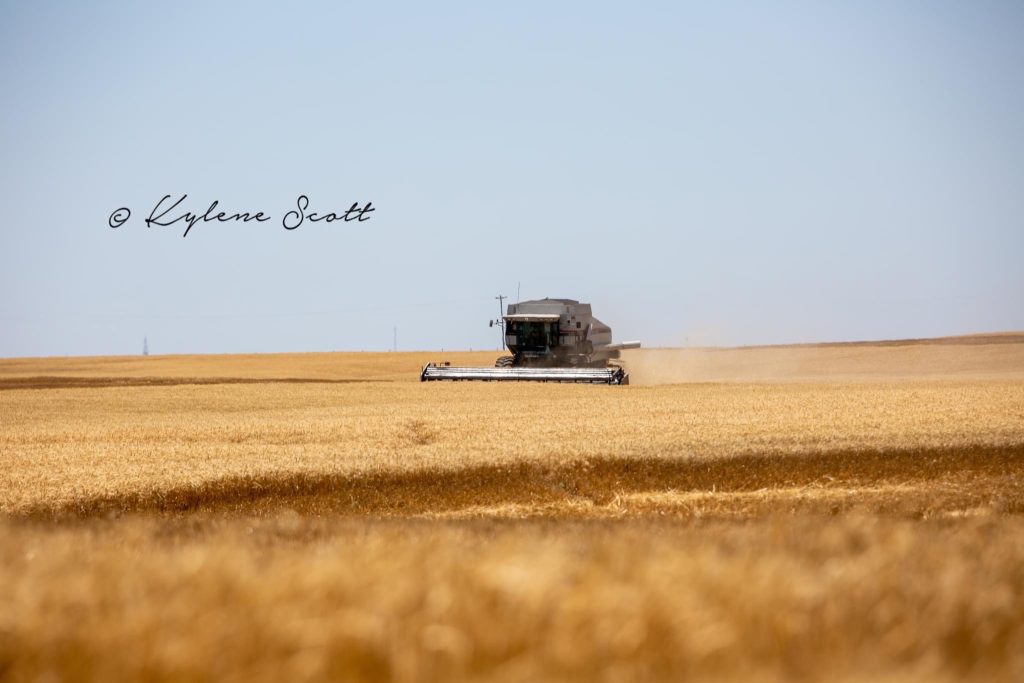
Generations before us in agriculture had hard lives and lived the lifestyle the best they could with what they had. Long hours and dirty hands were the norm most days. Today, many farmers and ranchers still have the dirty hands, but also have the newest technologies that take the hard work out of the equation, but they have such a mental load it can become hard to function.
More than once I’ve read about a veterinarian, a farmer or rancher or someone living the country lifestyle succumbing to the pressures of their chosen profession. That big, fancy tractor has a hefty price tag and it can weigh heavy on the mind and body. I remember when my dad faced the decision to quit farming in the early 2000s. The toll all those years it took on his body. Granted it was partly genetics and partly living the way he did—high stress, poor diet and lack of regular health care that led to his diabetes, heart trouble and kidney problems.
Some people don’t handle stress very well—me included. Maybe it’s my Gen X mentality to bottle it up and just deal with it. When there’s a will, there’s a way. Many farmers and ranchers are the same way. They put their heads down and work even harder. There’s nothing wrong with asking for help when the burden gets too much to bear.
The American Farm Bureau Federation is one such group that’s spearheaded a mental health movement in recent years. Their Farm State of Mind campaign builds awareness to reduce stigma and provides access to information and resources that promote farmer and rancher mental health wellness. Find more information at www.fb.org/initiative/farm-state-of-mind.
It also made me realize we as farmers and ranchers and those in ag-adjacent professions have the tools to share the good word about what we do and how food gets on consumer’s tables.
The television is normally on in my house. Most often just for some background noise. One afternoon recently I was working on updating the grain market page for an upcoming issue of the Journal and overheard a comment on whatever happened to be on the TV. “So this is where the chicken we eat comes from?”
I looked up to see a group of twenty-somethings on a “farm” and one of them was holding a chicken. Although the rest of the group explained things perfectly to the one who was clueless about the process of her chicken getting from the farm to her plate, it still made me wonder. More often than not, I think consumers are not informed, and they make their own assumptions about where their food comes from.
I sometimes struggle with stepping outside my circle and being someone who makes waves when it comes to issues like misinformation. There are agvocates who do a fine job of snuffing out the rumors around agriculture and where food comes from. People like Brandi Buzzard Frobose, Andrea Fleming (thatfitagvocate) and Emma Seamons (agwithemma), set the record straight most often and in a fun and entertaining way on their varying channels.
Rightfully so, those three women are well-versed, well-spoken and most importantly, well-informed. They have a process, know how to react and get the word out in the proper channels and inform all who will listen. In my space at the Journal, I too, am able to share my thoughts, share information and inform our readers about one of the greatest professions on the planet, farming and ranching.
I’ve been immersed in agriculture since before I was aware of it. My parents, grandparents, great-grandparents, and generations before were farmers. It is the same with my husband’s family. We all have our own story to tell, and whether or not we chose to use the Internet and other social channels to tell it is our choice. But I will never not be proud of my farm background and heritage. I hope my own kids feel the same way about how they were raised.
Kylene Scott can be reached at 620-227-1804 or [email protected].