How to help your chickens beat the heat
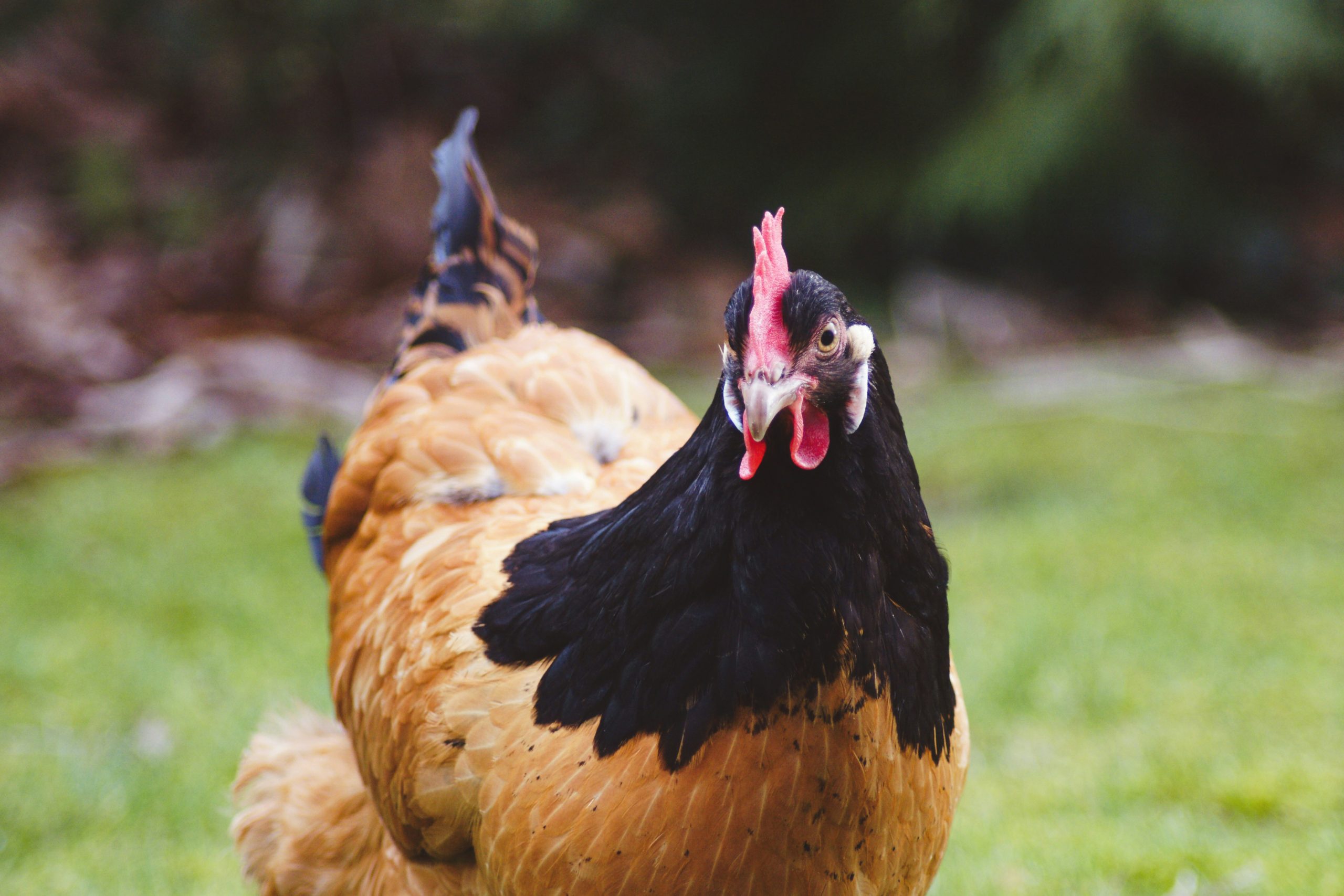
(Photo by Pauline Loroy via Unsplash.)
The dog days of summer can be miserable for chickens. The tell-tale signs of a hot bird are panting by holding their mouth open, holding their wings out from their bodies, and trying to cool off in the shade. An overheated bird could show symptoms such as lethargy, pale comb and wattles, diarrhea or sudden death associated with heat stroke.
Dealing with the summer heat is just part of backyard chicken ownership, but there are some techniques and considerations that can improve their comfort and well-being and give peace of mind to caretakers during the summer months.
What do chickens need to stay cool?
No matter if your chickens are free-range or stay in a coop with a run, fresh water, preferably in a shaded area, is a must. It’s the only way for them to stay hydrated, and in turn, maintain a lower body temperature. If they are drinking water heated by the blistering sun, it makes it more difficult to stay cool. Adding electrolytes, especially during excessively hot conditions, can benefit them as well.
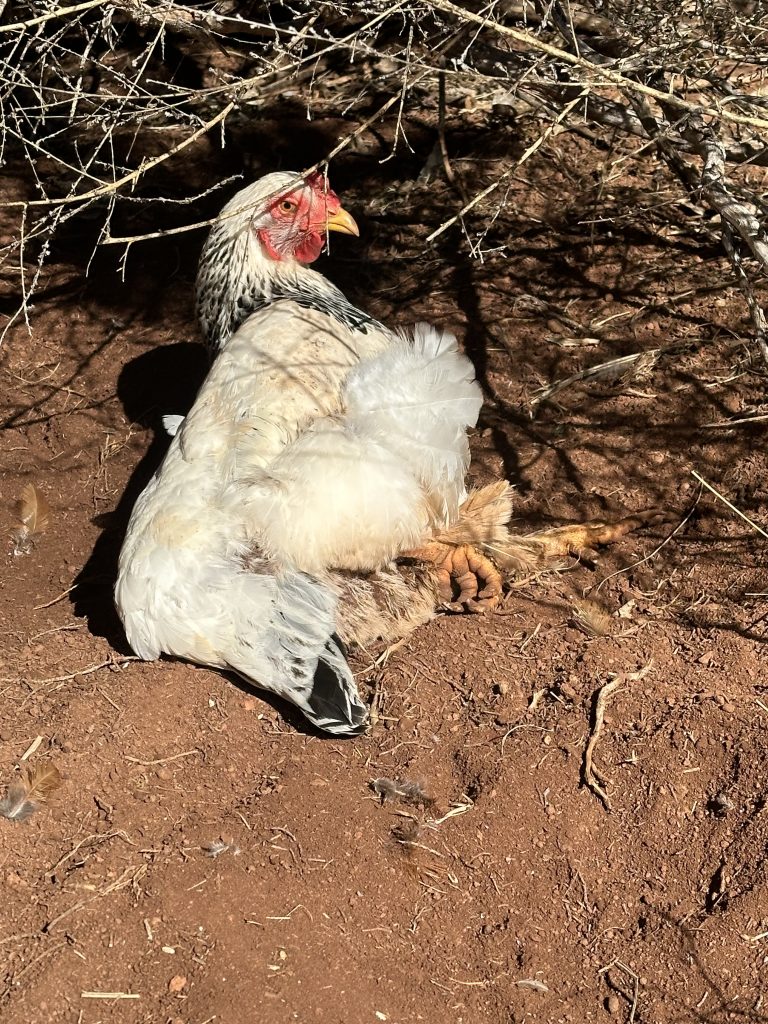
Just as chickens need shaded water, they also require somewhere to get out of the sun and access to some sort of dust bath area. Taking dust baths is a natural behavior for all chickens and is done for hygienic purposes to clean their feathers, deter parasites and to beat the heat with a nice cool roll in the sand or dirt. If you have chickens and they’ve been digging holes and rolling around in them, they are refreshing themselves with the simple pleasures of the all-too-important dust bath.
For chickens in a run, they should have access to a cover with enough square footage for everyone to get out of the heat that has plenty of air circulation and some sand or dirt to roll in. Cool misters in the run can also be used in the run to cool off the birds and the soil. Trees make the best shade for free-ranging birds and as long as it is available, they will seek it out and enjoy a nice cool dust bath in the soil to keep from overheating.
Ventilation, breeds and diet
Within the coop, ventilation is crucial. When birds turn in for summer nights, the temperature can still be in the 90s, and 10 to 30 birds in an enclosed area can make it even warmer. I place a digital thermometer in my coop to keep an eye on the temperature, and in the summer, I open the two windows of my coop—which have screens—to increase air circulation. During heatwaves, I use a box fan to add a breeze for my girls at night that improves their comfort while sleeping.
Considering chicken breeds can also be a factor, because certain types of birds are more adapted to heat than others. Much of this comes down to body size, feathering and comb, and wattle size. Examples of commonly found heat tolerate breeds include, but are not limited to: Easter Egger, Leghorn, Australorp, Welsummer, and Egyptian Fayoumis. Breeds that are more likely to struggle during heat waves include: Buff Orpington, Silkie, Wyandotte, Plymouth Rock, Rhode Island Red, Sussex, and Faverolle. This does not mean you should avoid adding these breeds to a flock; it just means you might have to work harder to ensure they don’t overheat in the summer.
Altering your flock’s diet can also help with hot conditions. A cold treat on a hot, summer day is a delight for us and the same goes for chickens. Try freezing fruits or vegetables—make sure they are safe chicken foods—in ice trays with water. They will have so much fun pecking through the ice to get to the food hidden within, and the ice will cool them off. Offering other cold fruit and vegetables out of the fridge, such as seedless watermelon or a head of lettuce, can also help them keep their body temperature lower, compared to higher protein and carbohydrate treats like scratch or mealworms.
As always, daily monitoring of a backyard flock is a must to make sure they have everything they need to thrive, even in swelteringly uncomfortable weather.
Lacey Vilhauer can be reached at 620-227-1871 or [email protected].