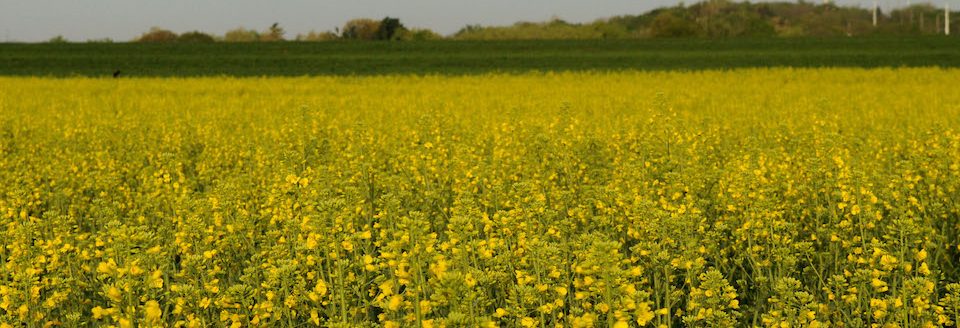
Canola crop shows promise despite challenges
Like wheat farmers, canola growers faced their share of challenges in the Southern Plains.
Michael Stamm, canola breeder at Kansas State University, said in early July, the major challenges with harvesting have resulted from the multiple rounds of severe thunderstorms and heavy rains at the end of the growing season. Pod shatter from straight-line winds and hail was a problem for shatter-prone varieties.
Typically, farmers who planted hybrids experienced less loss from shatter, he said.
In areas with excessive rainfall, sclerotinia stem rot and powdery mildew could have presented problems, Stamm said. Sclerotinia cuts off water and nutrients in the maturing plant, causing premature death.
If powdery mildew is heavy, it may inhibit the pods from fully contributing to photosynthesis, cutting off grain fill early and reducing seed weight, he said.
Yields
Farmers Stamm has visited in Kansas and Oklahoma have indicated average yields of 35 to 45 bushels per acre, with an occasional report of 50 bushels per acre and in some cases even exceeding that total.
“Overall, with the early stress and then more favorable weather conditions, I think farmers are pleased with their yields,” he said.
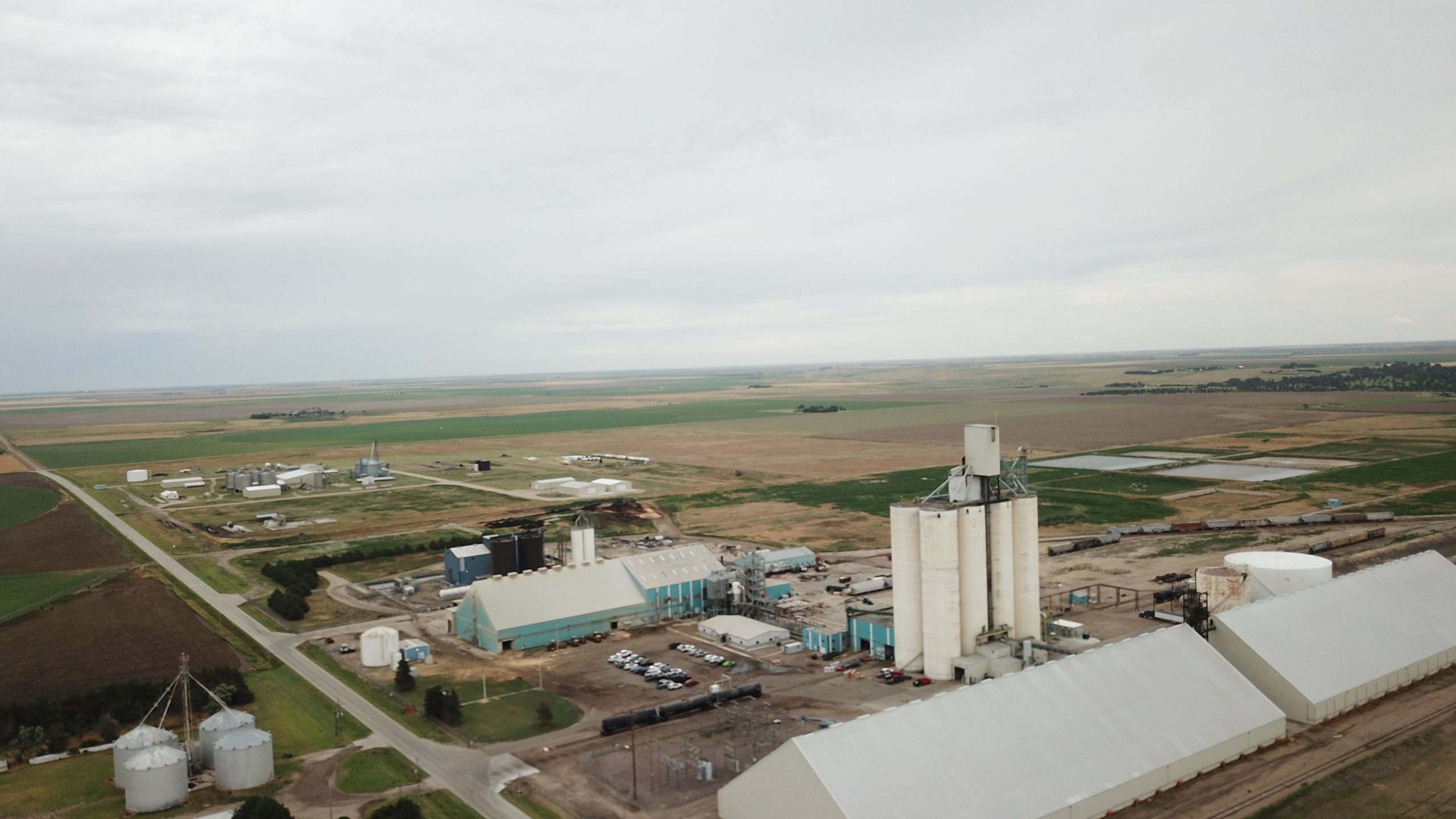
Jeff Frazier, Scoular market development manager, gave similar numbers, reported yields in the 40- to 50-bushel per acre range with some 60 to 70 bushels per acre. Scoular in 2024 opened a canola processing plant near Goodland, Kansas.
“Like wheat harvest, there were delays from severe weather,” Frazier said.
Most farmers were able to avoid winterkill and shattering, and that helped to ease grower concerns in that region. He said the northwest Kansas growing region had some cold weather this past winter, which was a good test.
“Overall most growers were pretty enthused about some of the yields,” Frazier said. “If you are new to canola you hear oftentimes about winterkill or shatter. This year really put a lot of the growers that were new, or were thinking about it, at ease, just because that potential was out there this year.”
Seed quality
Producers typically plant canola in September, although in southern regions they can plant the crop in early October. Planting time is similar to winter wheat.
Farmers will see benefits of better standability and improved pod shatter tolerance of hybrids in very wet and stormy years, Stamm said. This is at the forefront of farmers’ minds this fall, he said.
“However, it is still recommended to be diverse in variety selections,” Stamm said. “Farmers should also consider selecting open pollinated varieties that maybe better adapted to the environmental extremes of that region.”
As producers plan for the 2026 crop season, Stamm said adding a winter broadleaf like canola in a crop rotation will provide benefits to the system including increased yield of subsequent crops. The crop offers low carbon to nitrogen-to-nitrogen ratio for quick breakdown of plant residues and recycling of plant nutrients.
Frazier said canola is a good drought-resistant crop and like wheat it can also provide good yields under limited irrigation.
Market opportunity
Frazier said the short-term goal for the Goodland operation Ipictured above) is to have 400,000 acres of canola and that will take time to build, particularly in regions outside of southern Kansas and northern Oklahoma where most of the canola is raised in the Southern Plains. Scoular’s long-term goal is to reach significantly above 400,000 acres.
“We’re not there yet,” he said, adding growers were naturally cautious in their approach.
“A lot of growers last year looked at their neighbors and waited to see.”
Scoular has taken the approach it is important for growers to feel comfortable and can accommodate that mindset, he said.
One positive signal was the Environmental Protection Agency recently announced the renewable volume obligation was going to be above 5.25 billion gallons, and that sent a spark to the industry, Frazier said. That opportunity can provide a return higher than winter wheat under the current prices. The RVO will help to create strong market incentives.
“You couple that with some of the agronomic benefits that come with planting canola as part of a rotation and it’s a home run for some growers,” Frazier said.
The new opportunities for use of canola oil as a renewable fuel feedstock should continue positive price pressure, Stamm said. Demand for canola oil should increase as the newly released renewable fuel standard volumes are “very positive” for canola and other oilseeds.
“Canola oil demand remains strong and should benefit from higher prices,” Stamm said.
Optimism
Optimism remains high for canola in the Great Plains, Stamm said.
“The interest of seed suppliers is growing and new products could be made available in the near future,” Stamm said. “Let’s hope this positive energy around biofuels and new variety technologies support each other to grow the industry.”
The message Frazier tells producers a good mindset to take is that of a multi-year process with good residual returns. For some producers in the High Plains region where wheat followed canola, there were reports of wheat yielding above 100 bushels per acre.
Canola is a good dryland crop that complements winter wheat, he said, and the production of winter wheat following a canola crop has shown the agronomic benefit.
“Variety trial information will be shared via Extension outlets and be on the lookout for an upcoming canola meeting to review the year and plan for the next growing season,” Stamm said.
Dave Bergmeier can be reached at 620-227-1822 or [email protected].