Equine disease cases remind livestock owners to be vigilant
A video circulating on social media shows an interview with a Kentucky veterinarian describing a horse in his clinic with rabies. It was a hard watch, but a reminder to keep animals current on vaccinations and medical care.
Other reports circulating from state departments of agriculture, state veterinarians and other news outlets have ongoing information about West Nile Virus, equine infectious anemia and others.
Rabies
The 24-year-old gelding in Garrard County, Kentucky tested positive for rabies on July 28. According to news reports, the gelding was unvaccinated and began developing clinical signs July 23. Signs included head pressing, biting inanimate objects, agitation, aggression, and neurologic signs. He was euthanized. Two additional horses were also exposed.
According to the Equine Disease Communication Center, rabies is a zoonotic disease that can be spread from animals to humans. It is caused by a lyssavirus that affects the neurologic system and salivary glands. Horses are usually exposed through the bite of another rabid animal.
Once clinical signs of rabies appear in horses, there are no treatment options. Signs are usually variable and can take up to 12 weeks to appear after the initial infection. Although affected horses are sometimes asymptomatic, an infected horse can show behavioral changes such as drowsiness, depression, fear, or aggression.
The only definitive diagnosis for rabies occurs postmortem by a local public health laboratory to identify the rabies virus using a test called fluorescence antibody. Ruling out all other potential diseases first is very important to avoid potentially unnecessary euthanasia.
The American Association of Equine Practitioners recommends rabies as a core vaccine every horse should receive since rabies threatens both horses and the humans who handle them. The AAEP’s vaccination guidelines recommend that adult horses receive an initial single dose, then a booster vaccination annually; foals born to vaccinated mares should receive a first vaccine dose no earlier than six months of age and a second dose four to six weeks later followed by annual vaccination; and foals of unvaccinated mares should receive a first vaccine dose at three or four months of age and should be revaccinated annually.
Equine infectious anemia
Several alerts from EDCC regarding EIA have been issued and include Texas, Oklahoma and Kansas.
In July, the Kansas Department of Agriculture Division of Animal Health was notified by the National Veterinary Services Laboratory that a horse in Sedgwick County has tested positive for EIA. The facility and all horses on the premises were placed under quarantine until further testing of all exposed horses was completed. Preliminary results indicate that there are additional horses testing positive.
EIA is an untreatable disease and response actions are being made accordingly. The remaining horses at the facility that tested negative will be observed and retested in 60 days. The positive symptomatic horse did die from complications associated with EIA.
KDA has identified a prescribed surveillance area within a quarter mile of the affected premises and is working with local officials and horse owners to identify any other horses that may have been within that surveillance area.
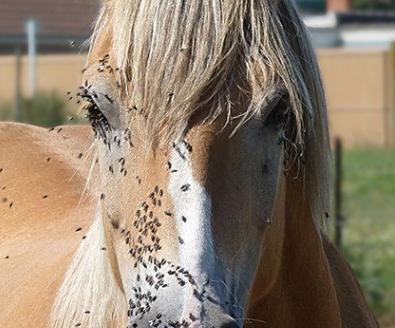
According to KDA, EIA does not affect people, but it can spread to horses, mules and donkeys. The virus can be transmitted from an infected equine to a “clean” equine by biting flies, the use of unsterilized or contaminated medical instruments, or through a blood transfusion. Clinical signs of EIA include fever, anemia and edema; however, affected horses may not show symptoms. EIA can be fatal in horses. All infected horses, including those which are asymptomatic, are carriers of the disease.
There are typically a small number of cases of EIA in the United States every year, although the disease is common in other parts of the world. EIA is controlled in the U.S. by regular testing before traveling across state lines and/or exhibition.
A Coggins test is used to test for EIA, and earlier in 2025, KDA began requiring a negative Coggins test be completed within the previous 12 months for horses that are changing ownership or are used for exhibition purposes. These regulations are in addition to the previous requirement of a negative Coggins test for horses entering Kansas.
An EIA outbreak in Texas has claimed the lives of 35 horses, many of whom were allegedly treated at the same veterinary clinic. Counties with affected horses include—Texas: Williamson, Navarro, Brazos, Harris, Crane, Wise, Wichita, Kaufman, Cooke, Van Zandt, Wharton, Hood, and Montague. Horses in Kansas and Oklahoma have also tested positive for EIA since May 1.
West Nile Virus
Equine Disease Quarterly said while WNV is now considered endemic on most continents around the world, the disease is still one to note. The deadly neurological disease in horses is only prevented by vaccination.
An orthoflavivirus transmitted by mosquitoes, the virus had an explosive emergence in North America in 1999, followed by rapid expansion throughout the U.S. and parts of Canada over the first five years, which resulted in often catastrophic disease in more than 25,000 U.S. horses. Because of rapid deployment of vaccines, the U.S. equine caseload decreased dramatically by 2006.
Once established in a new area, reported cases in humans and horses, depending on vaccine status, WNV will occur yearly, but can vary in intensity from year to year. The virus can also cause explosive outbreaks in new locations or among those that have only experienced sporadic cases.
With no specific antiviral therapies, vaccination is the only intervention that successfully prevents severe neurological disease in the horse. Currently all marketed vaccines have comparable efficacy (more than 90%) against known lineages that infect horses. While annual boosters are recommended, horses are not fully protected unless the initial immunization consists of two injections given four weeks apart. Foals must receive an additional booster 10 to 12 months prior to the next mosquito season or eight weeks after the second dose.
KDA suggests horse owners consult with their local veterinarians and make a vaccination plan for their horses. Horse owners should work diligently to reduce the mosquito populations and their possible breeding areas, including removing stagnant water sources and using mosquito repellents. WNV is a reportable disease in Kansas, which means the law requires any confirmed case must be reported to the KDA Division of Animal Health.
There have been reported cases of equine WNV in Colorado, Wyoming, North Dakota, and Kansas, among others, since May 1. According to the Centers for Disease Control and Prevention, as of Aug. 20, there have been 320 cases of WNV in humans in 33 states. Colorado has the highest instance of the disease with 58 reported cases year to date.
Kylene Scott can be reached at 620-227-1804 or [email protected].