First HPJ Live event held in Wichita
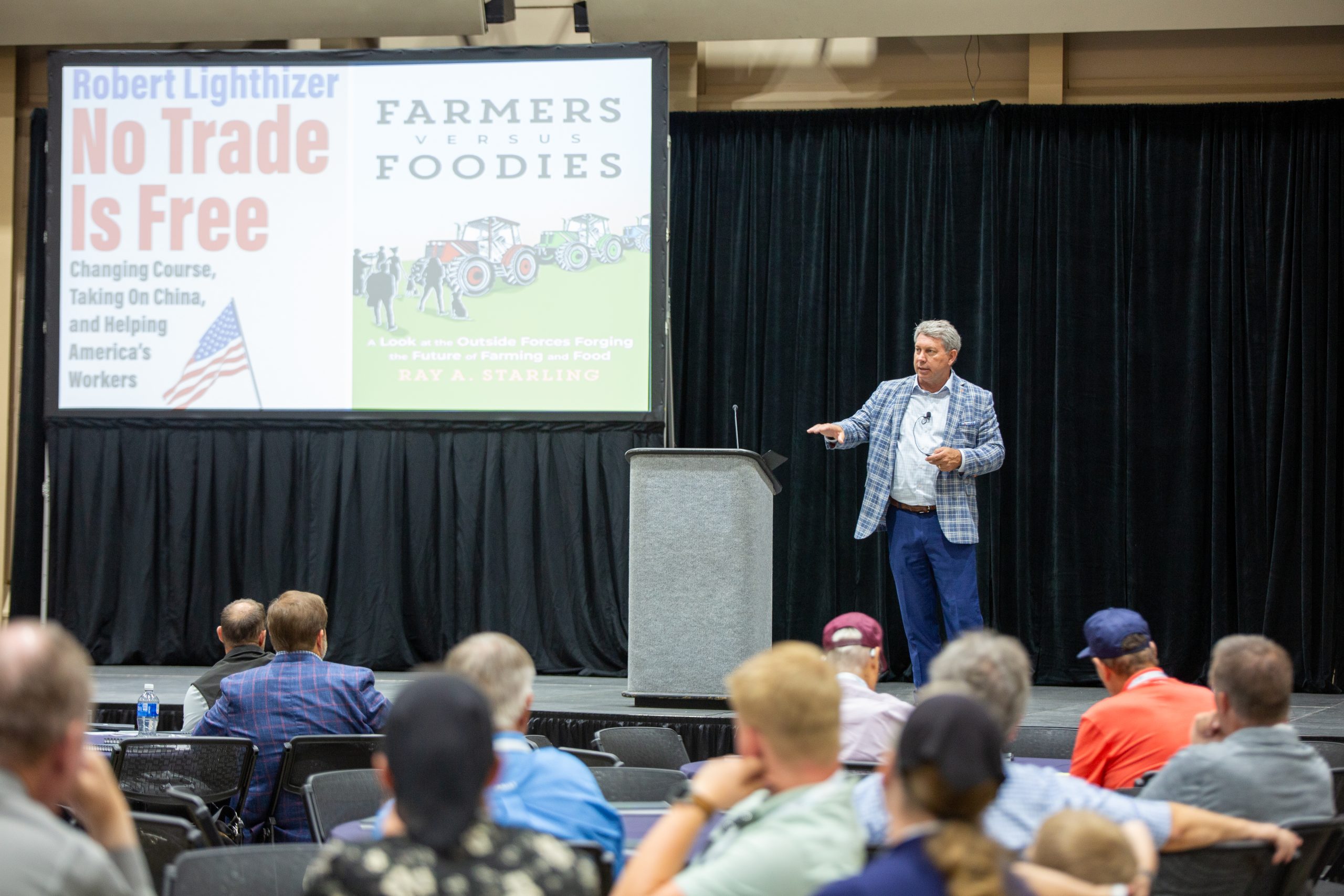
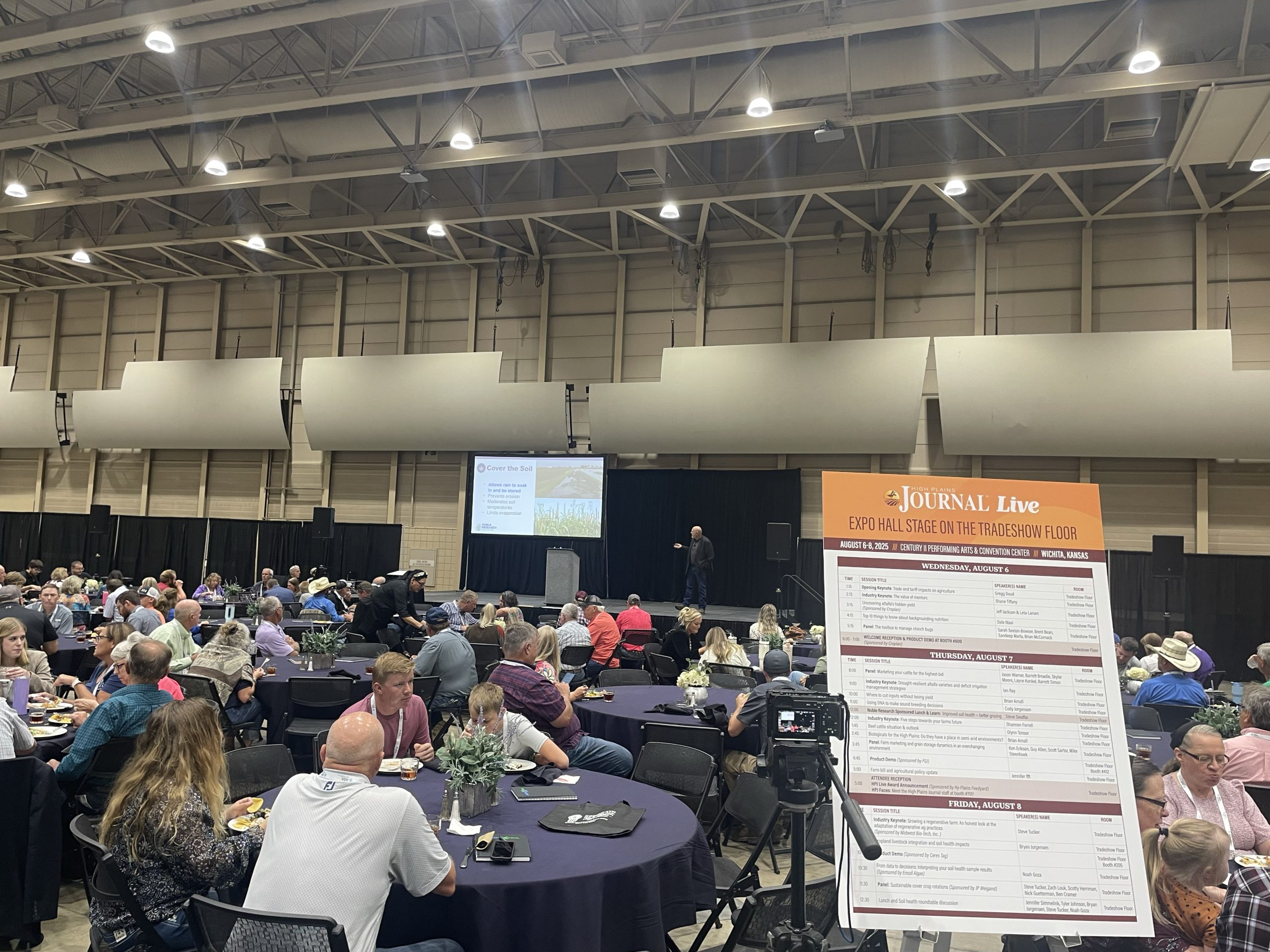
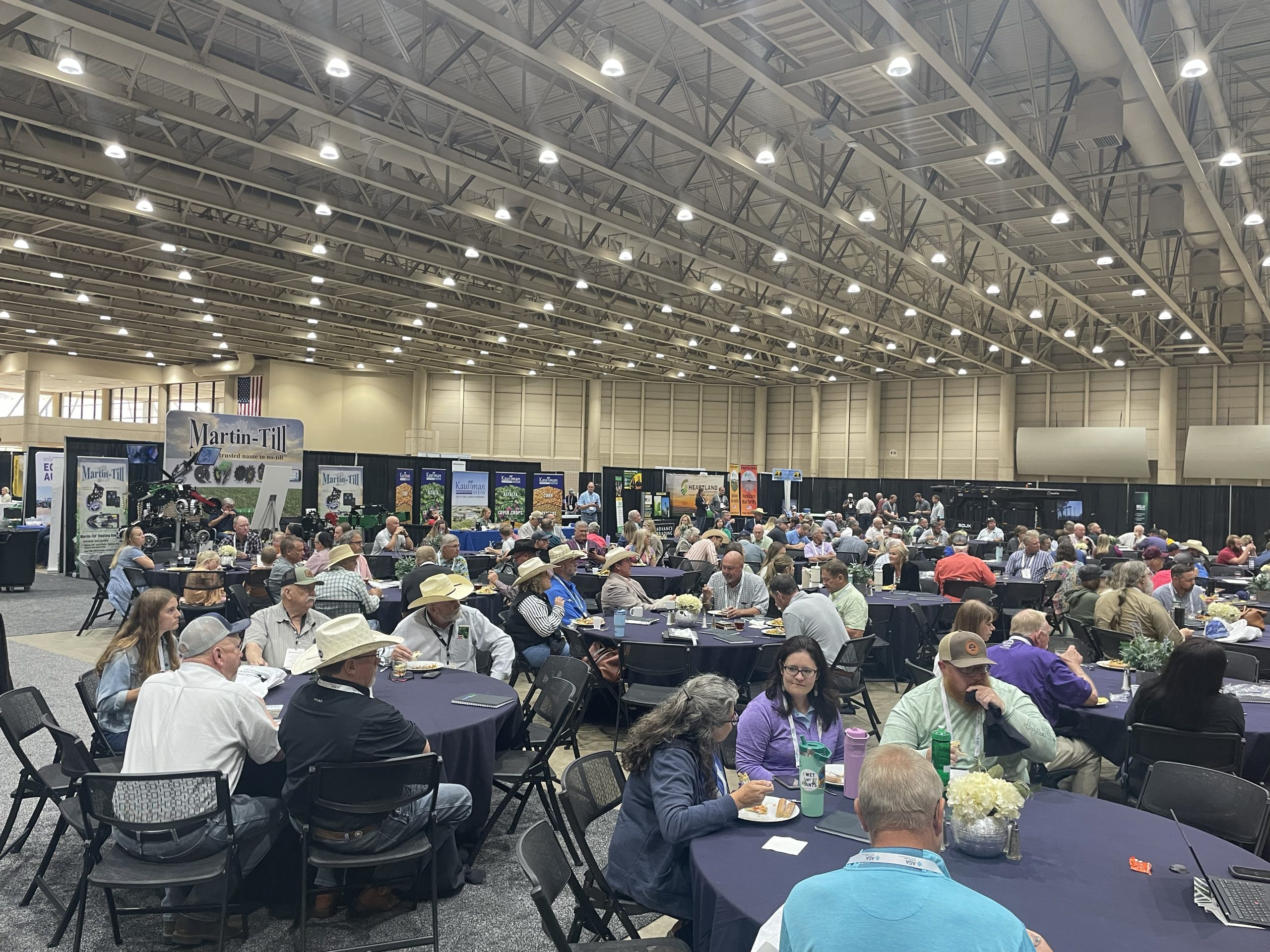
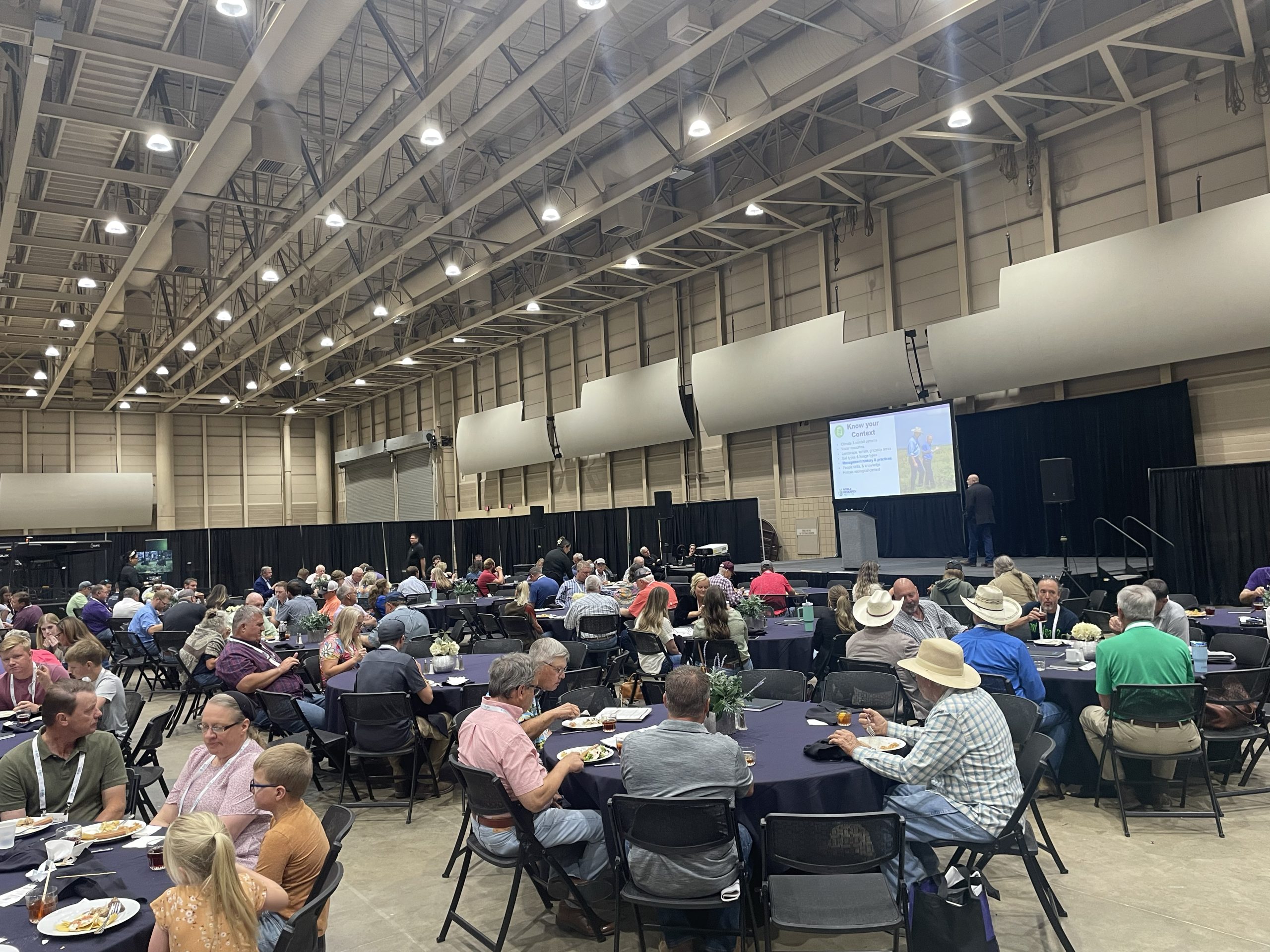
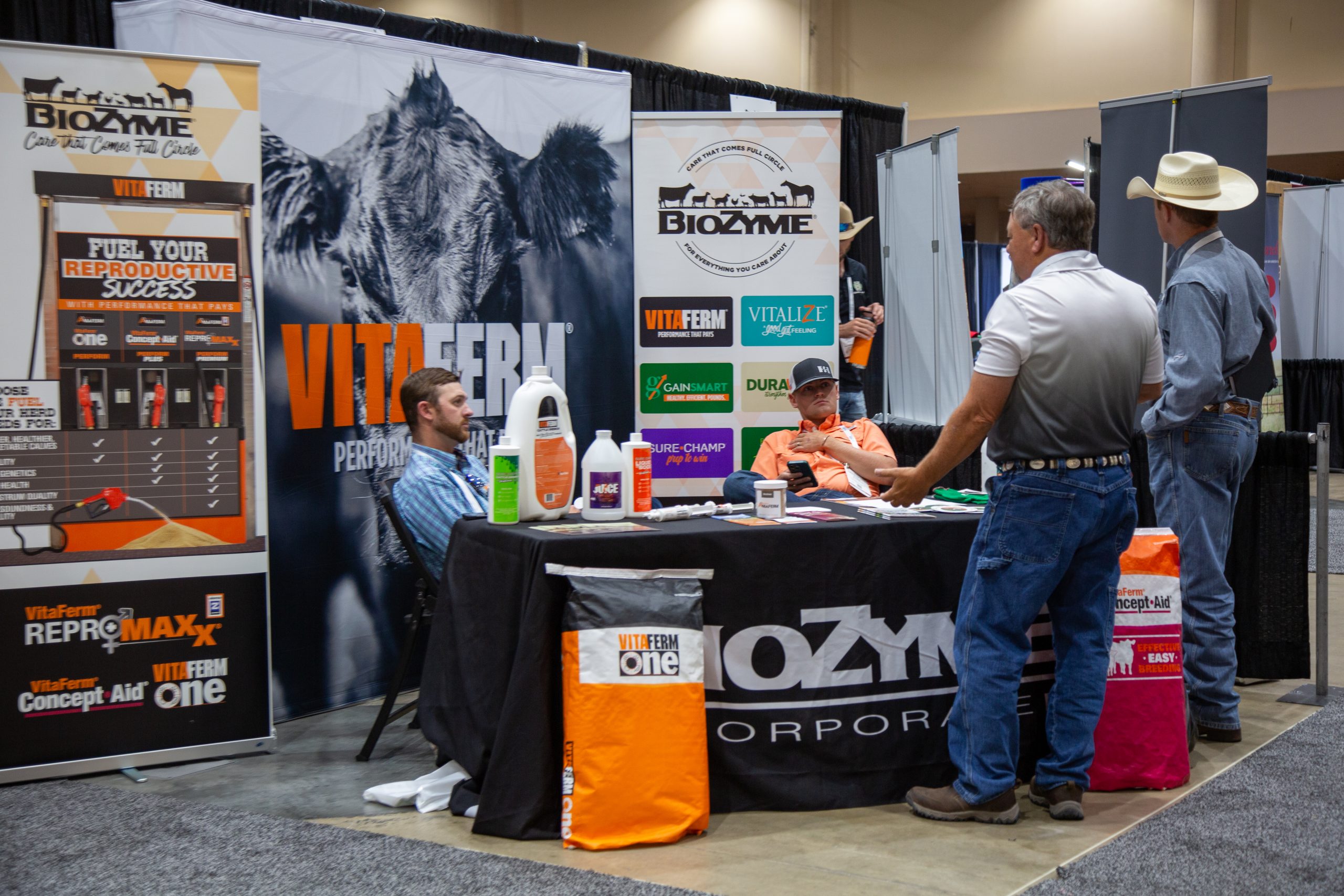
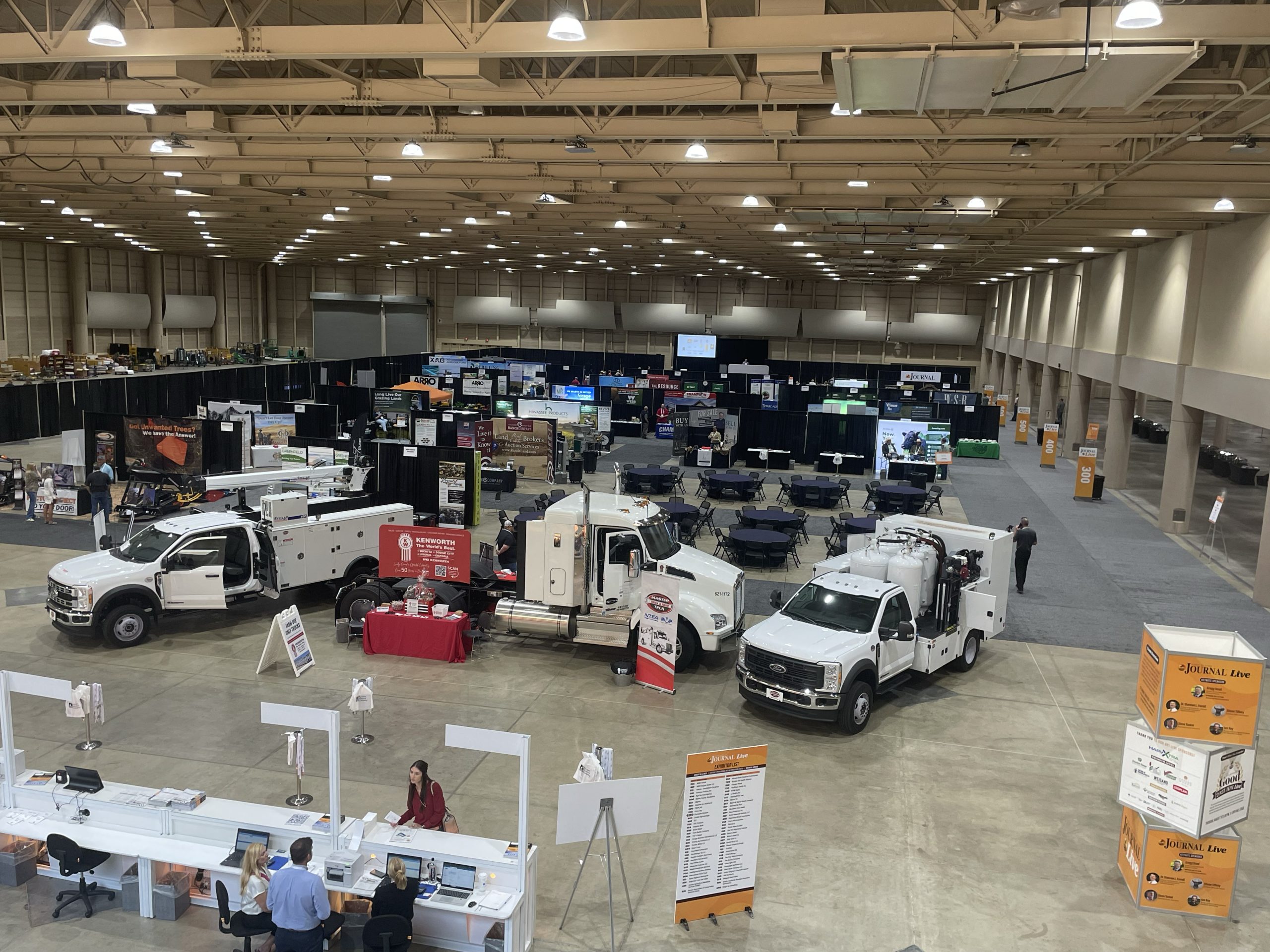
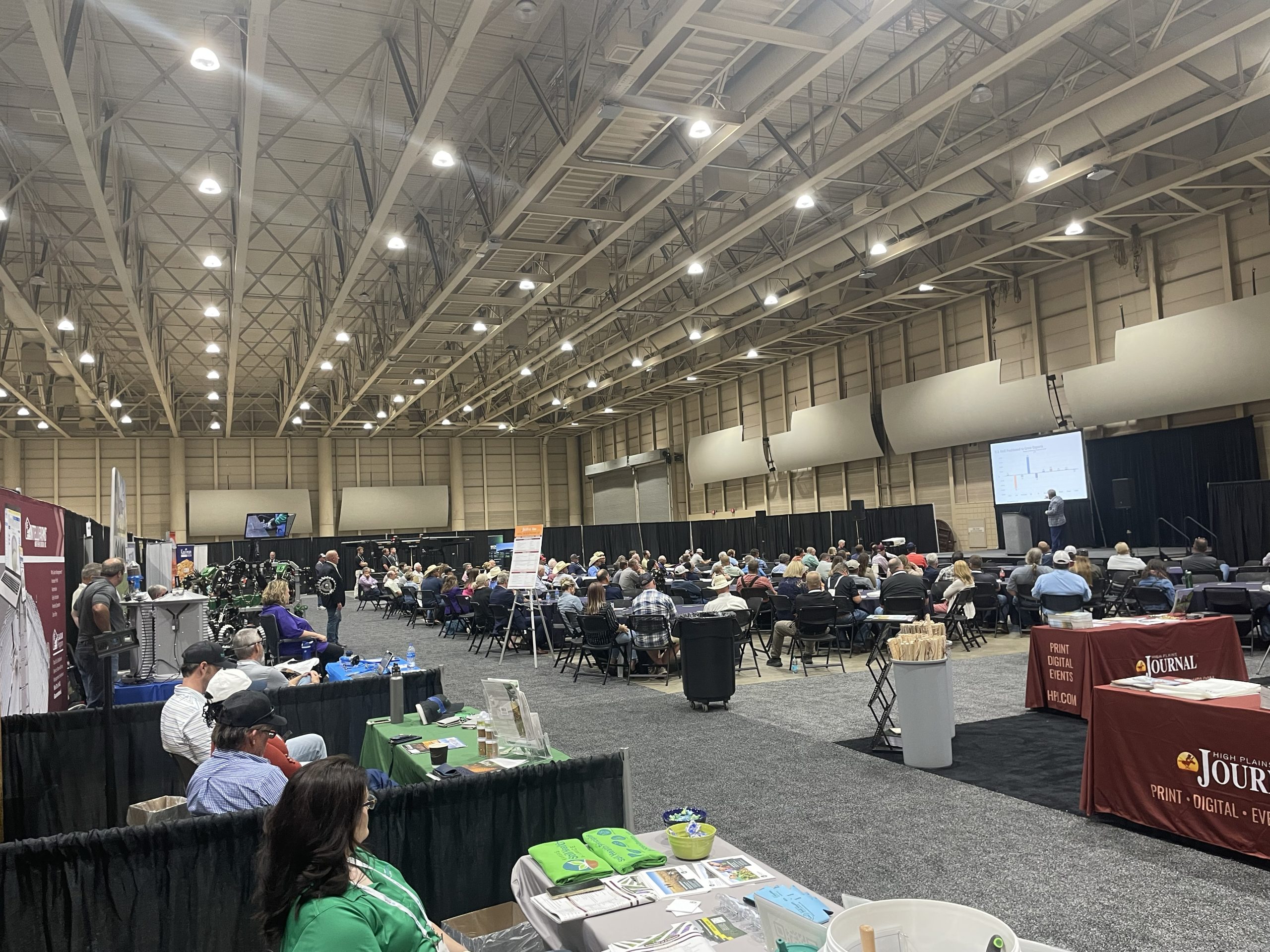
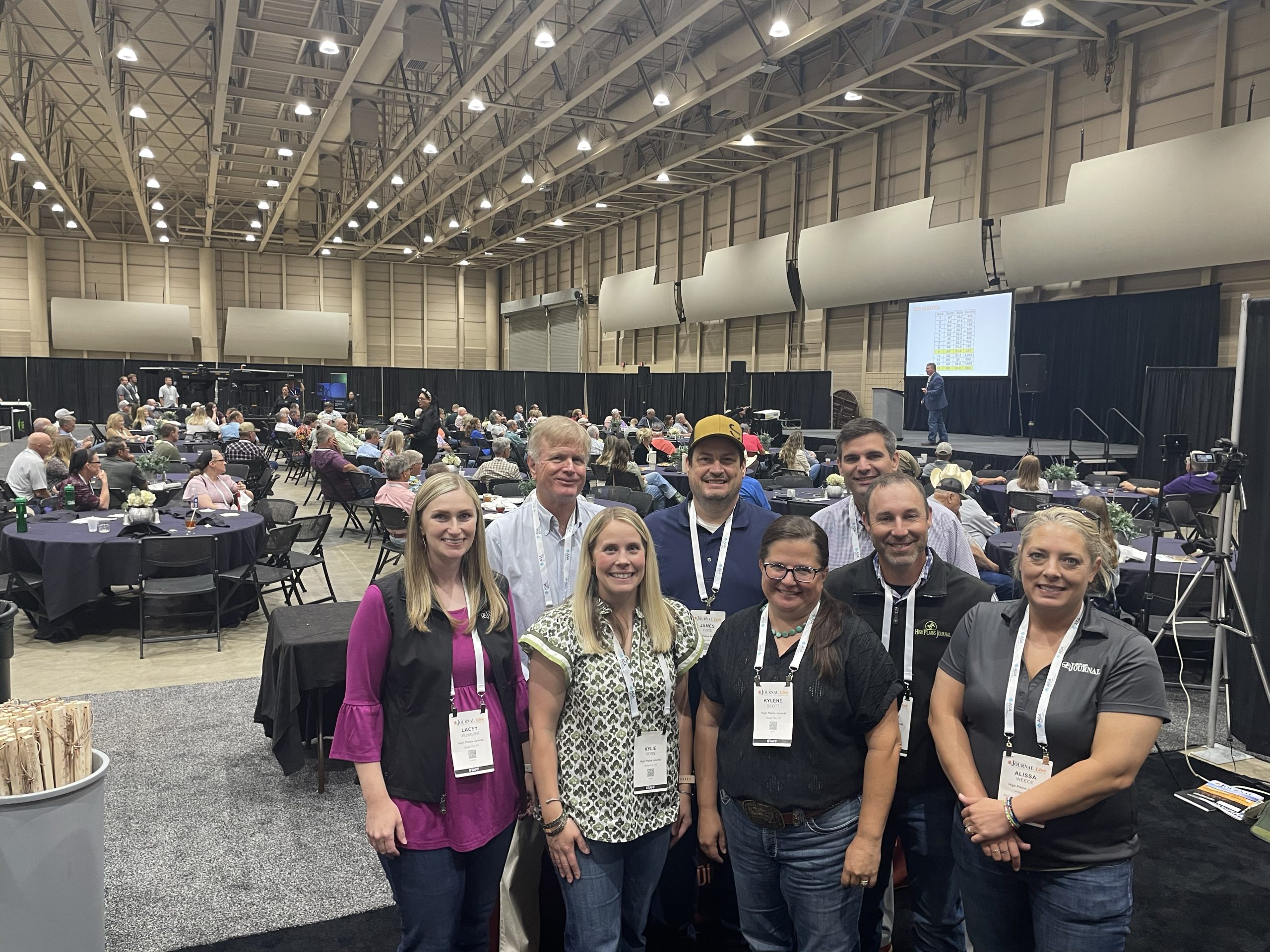
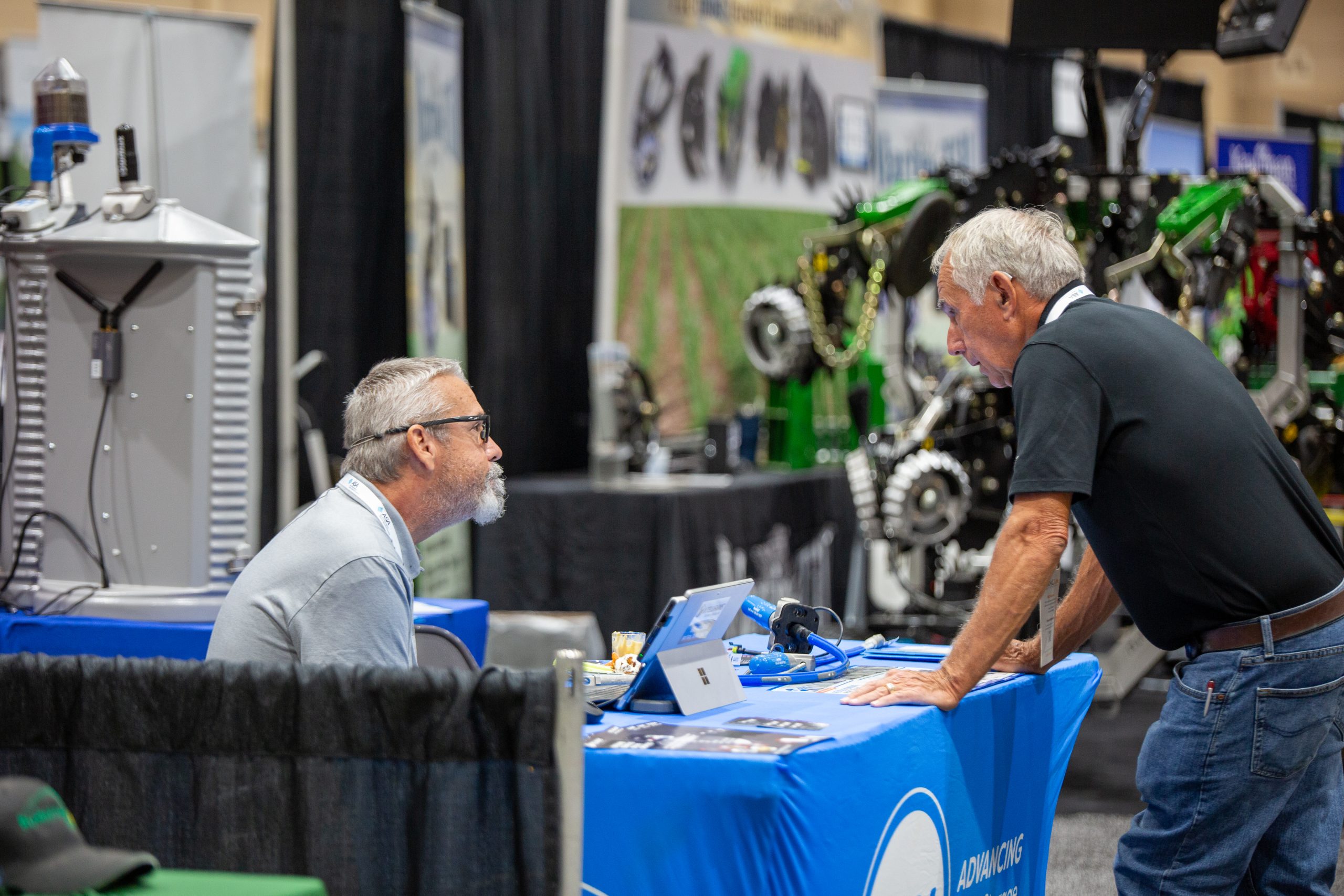
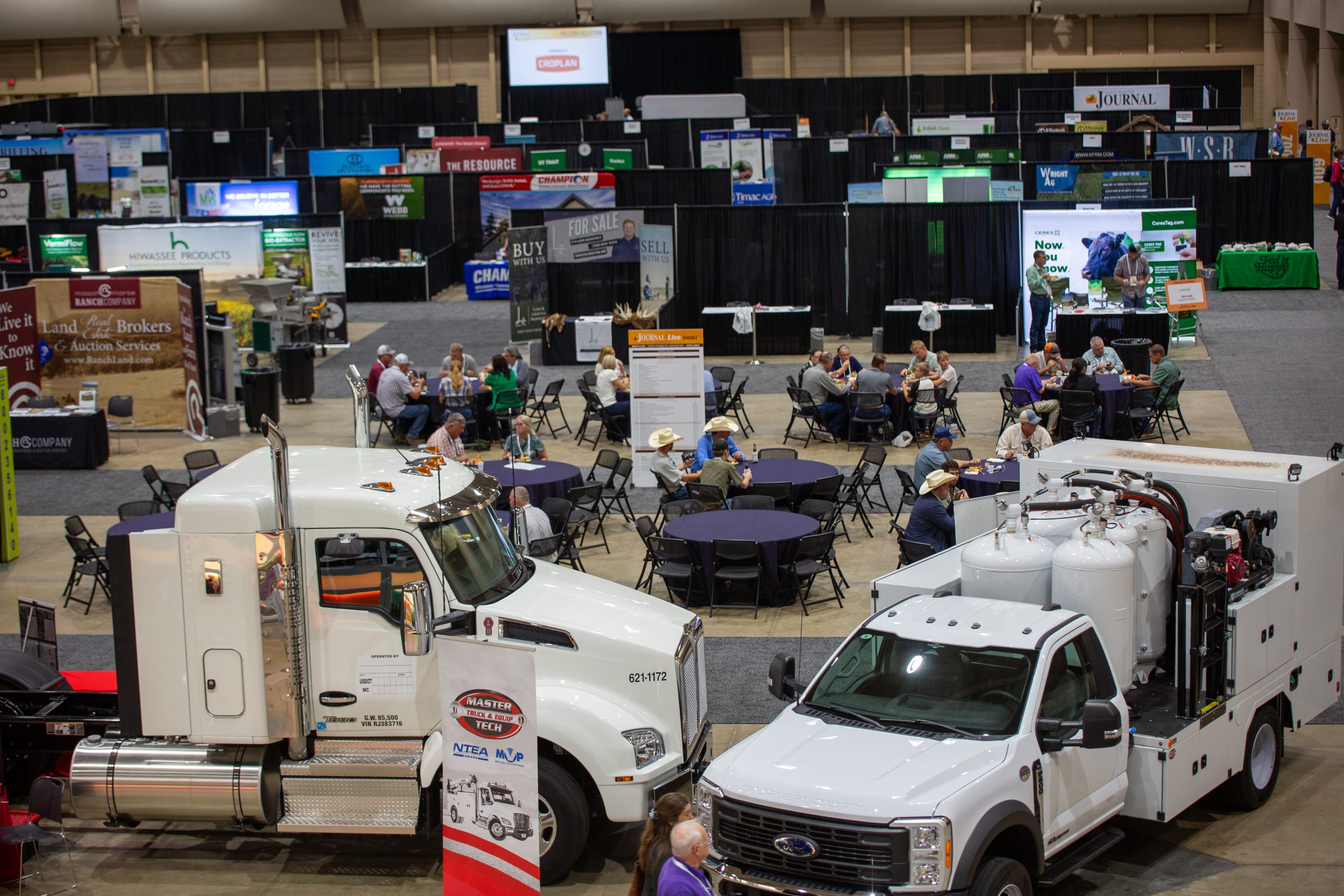
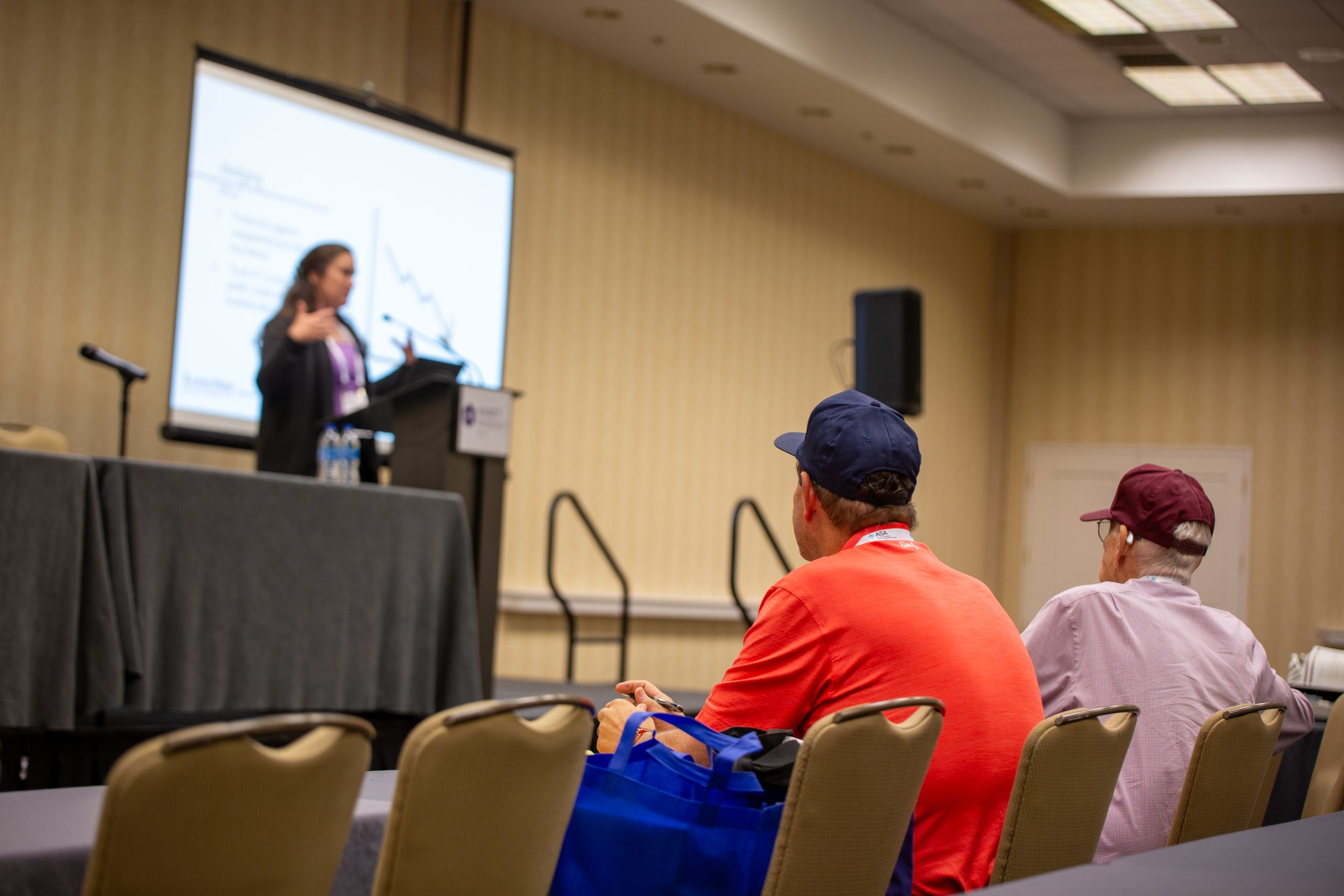
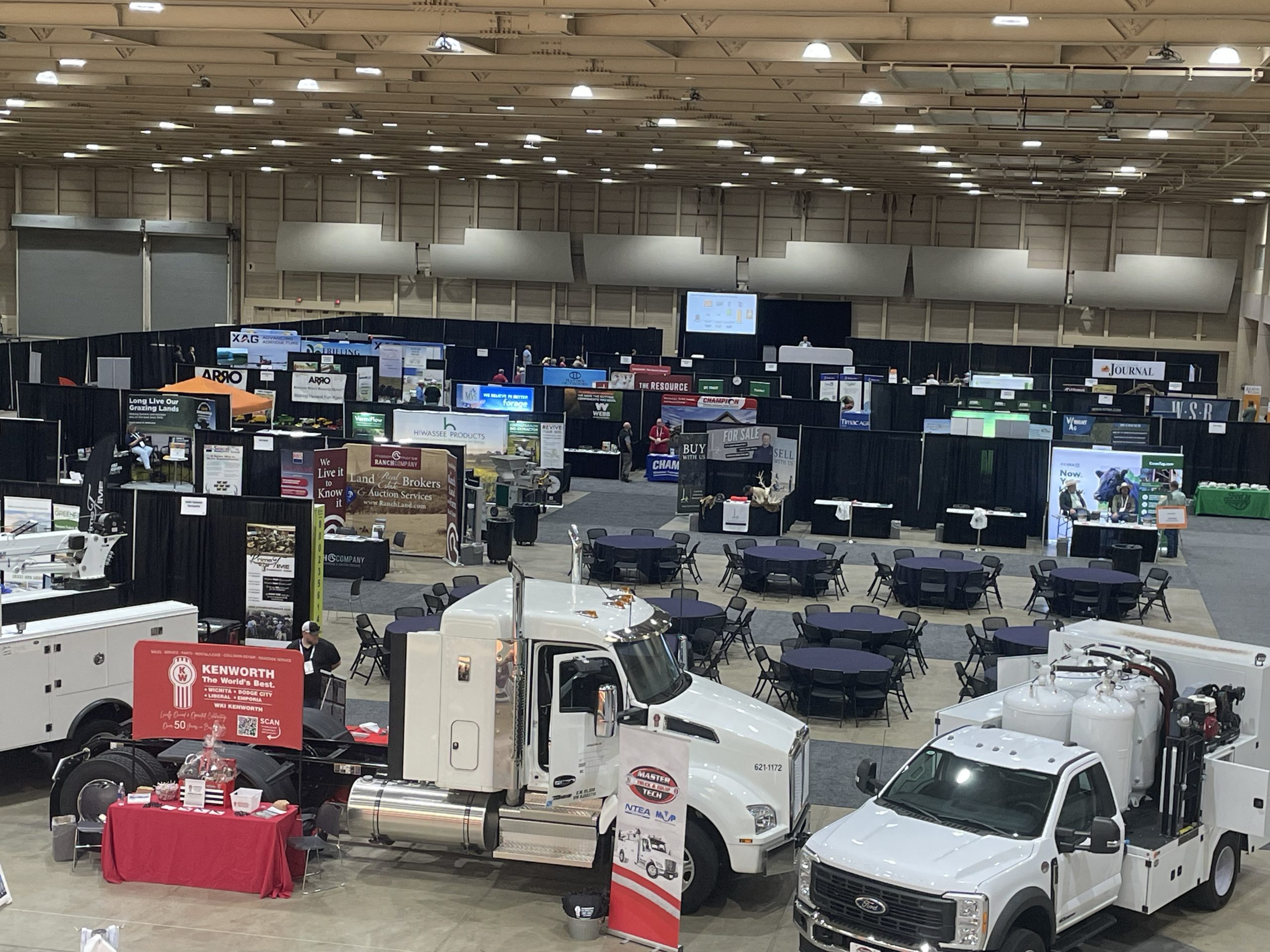
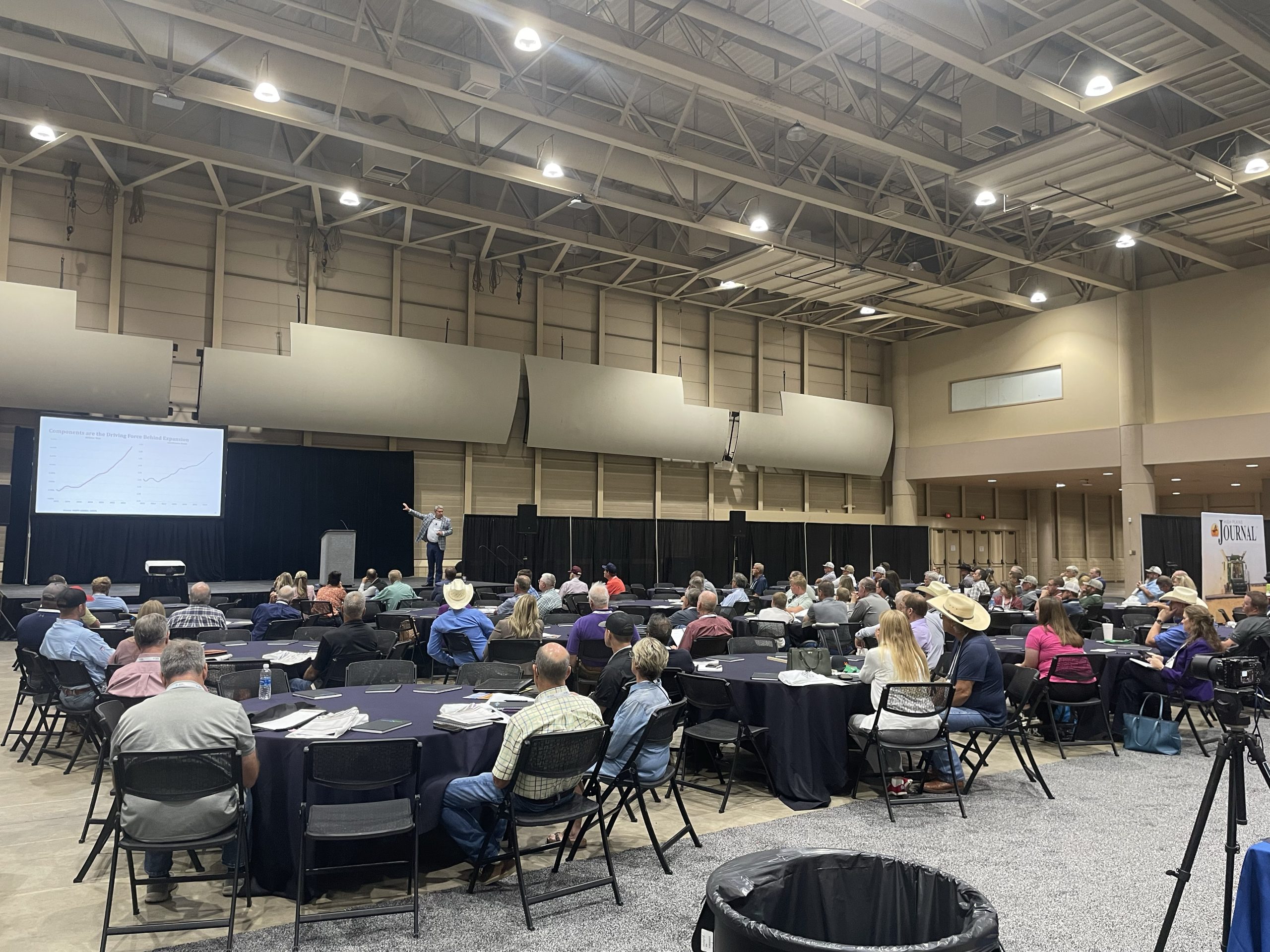
After more than a year of planning, the first HPJ Live was held Aug. 6 to 8 at the Century II Performing Arts & Convention Center in Wichita, Kansas. The three-day inaugural event included more than 60 speakers and an exhibitor trade show.
Editorial coverage for the event will be provided on multiple platforms by HPJ staff as presenters addressed livestock, grain, hay and forage, and soil health. In this piece, HPJ Editor Dave Bergmeier and HPJ Field Editors Lacey Vilhauer and Kylene Scott provide their insights and key take aways from the educational speakers.
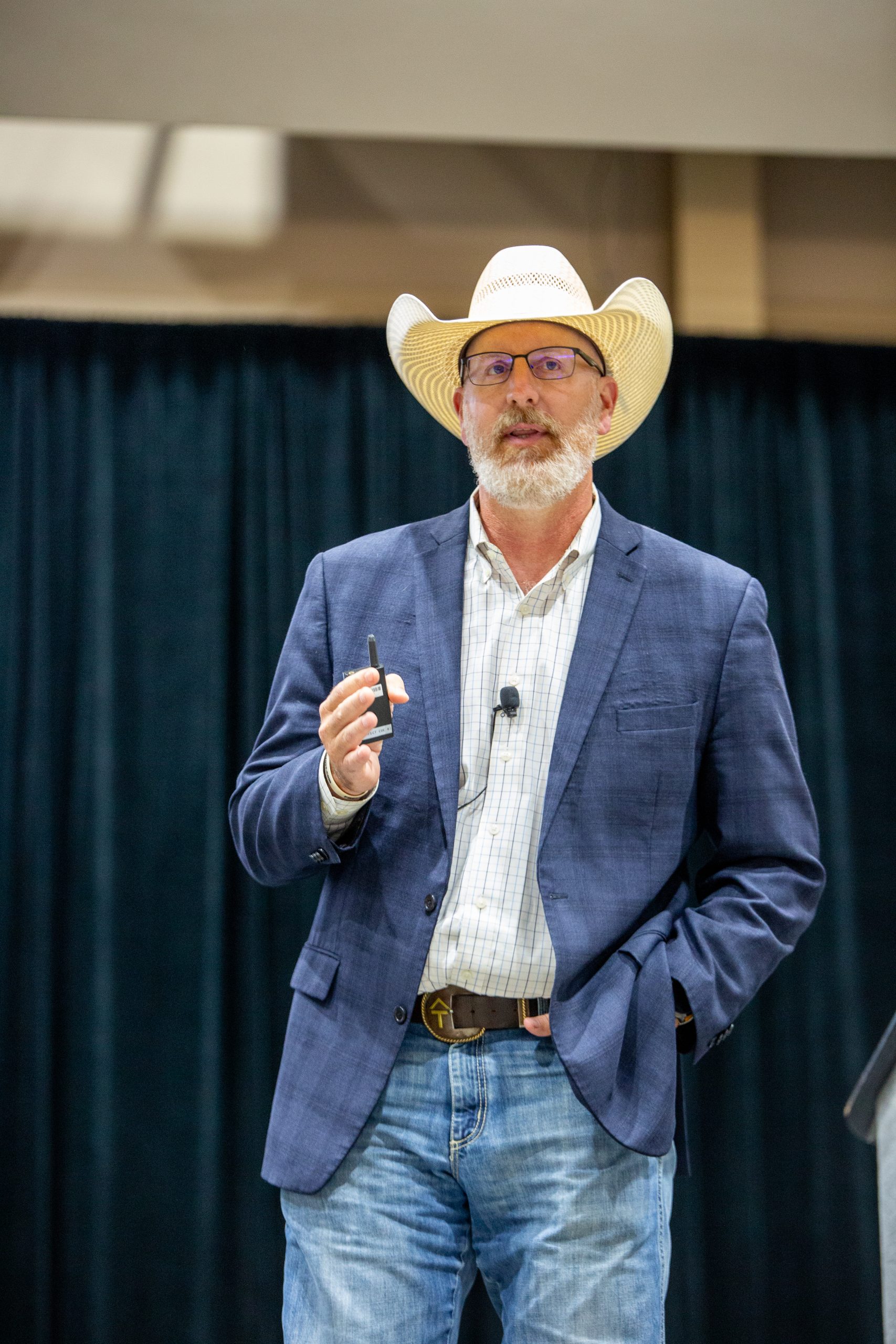
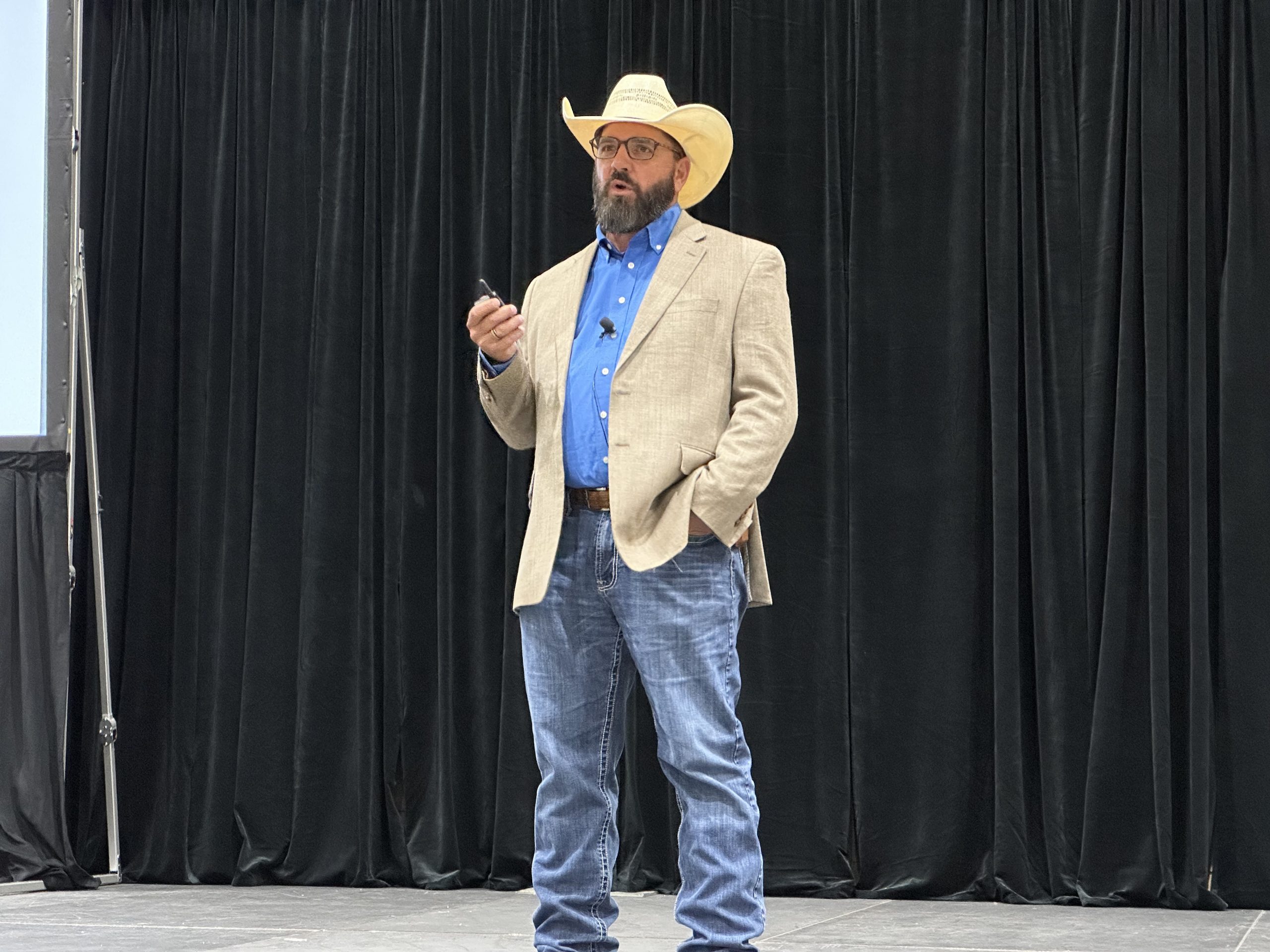
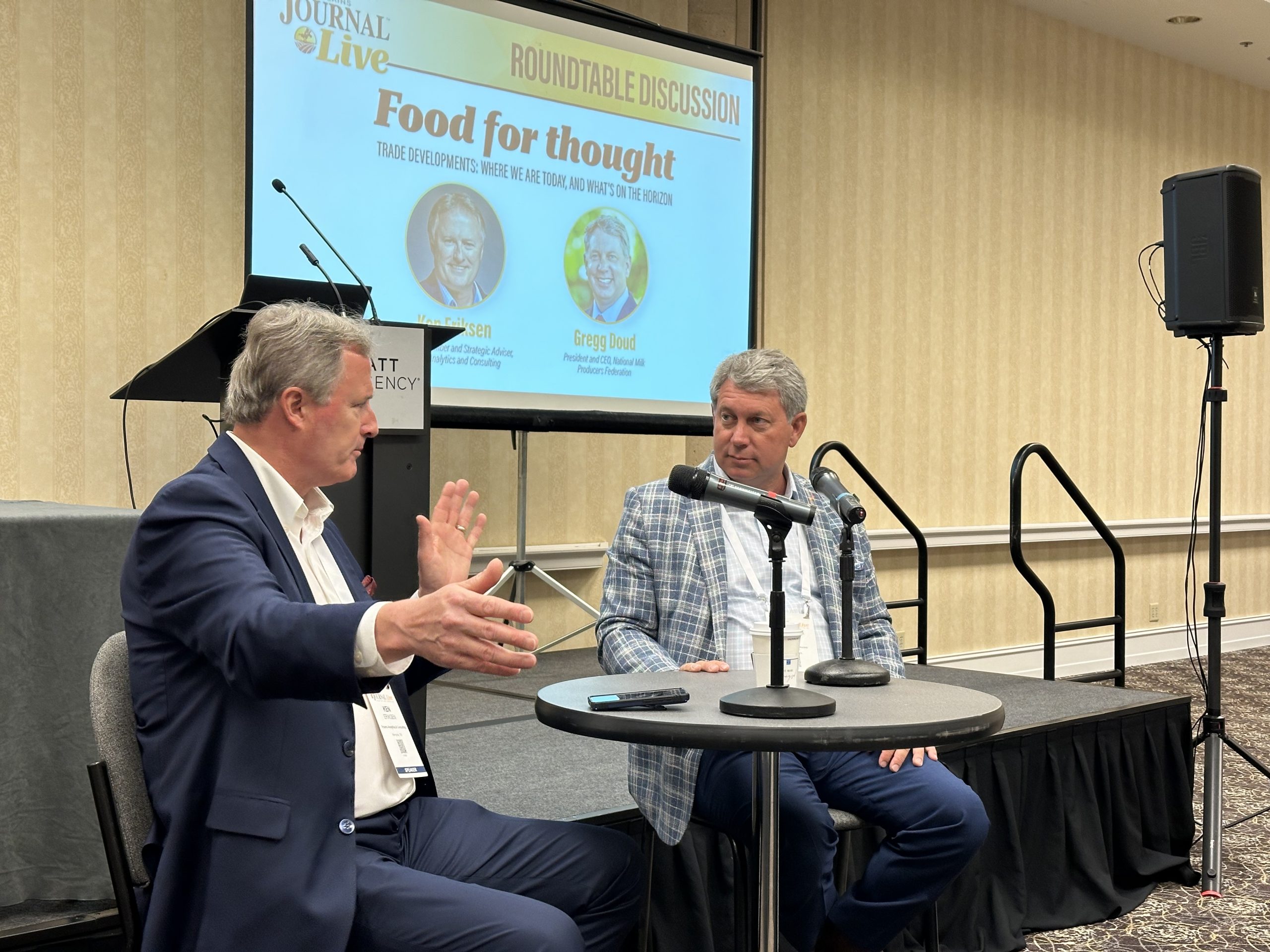
TOP PHOTO: Gregg Doud of National Milk Producers Federation. (Journal photo by Kylene Scott.)
Tariffs and opportunity highlight HPJ keynote address
By Dave Bergmeier
Tariffs remain top of mind for keynote speaker Gregg Doud who believes President Donald Trump is on the right track and farmers and ranchers will benefit in the long term. Doud, president and CEO of the National Milk Producers Federation, was the keynote speaker to open the HPJ Live event.
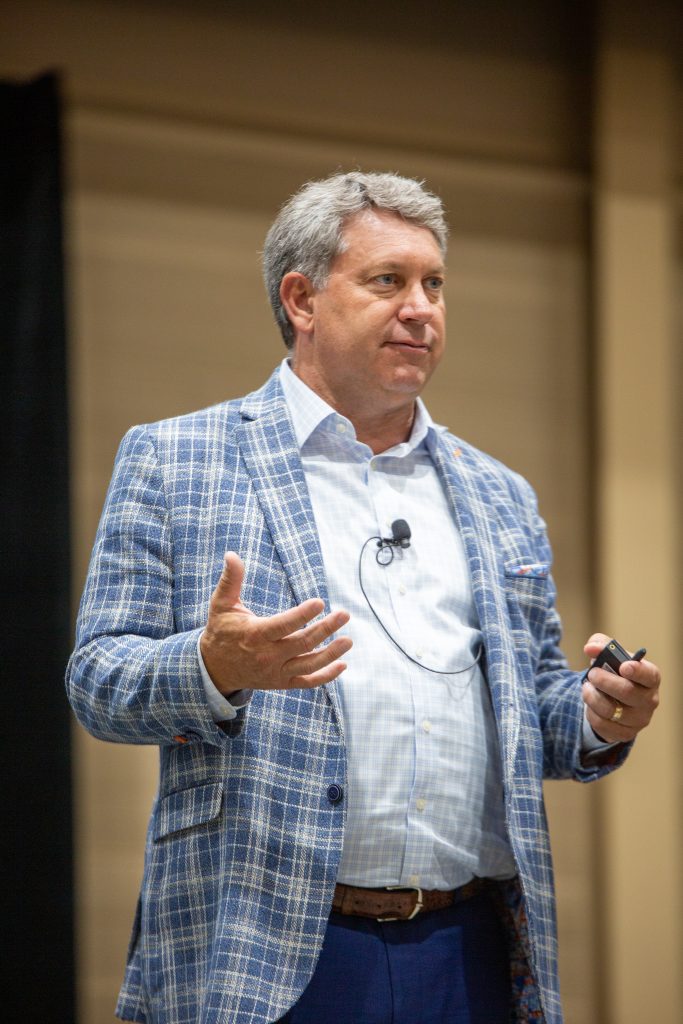
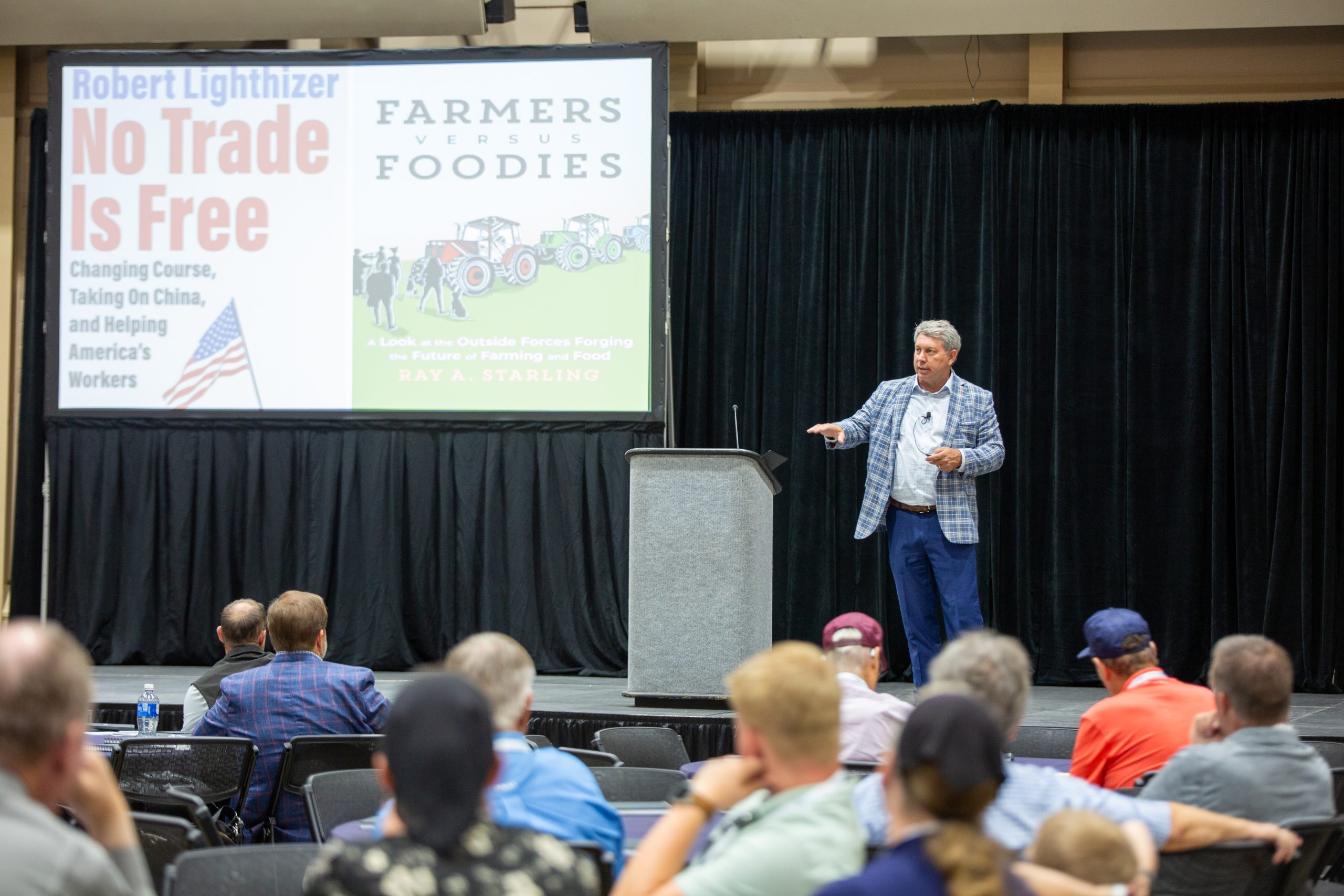
Doud was the chief agricultural negotiator in the office of the United States Trade Representative for three years during the first Trump administration and he worked closely with Robert Lighthizer, the U.S. Trade Representative. Trump believes that a strong U.S. economy must be built by America first. Lighthizer told Doud that Trump’s analogy could be simplistically described with a washing machine. Trump watched how manufacturing went from the United States to China.
“When it breaks down (the consumer) throws it away and buys a new one,” Lighthizer said. “He (Trump) wants you to buy American, and yes it will be more expensive to buy, but you will be able to get parts and fix it (yourself).”
In Trump’s second term he is focused on several key provisions including capital investment, tax, trade, monetary, and regulatory policies, Doud said. The One Big Beautiful Bill Act that Trump signed into law this summer is consequential because it makes the U.S. competitive with other countries in a global economy, Doud added.
China
China is a large economy, but in trying to compare it to the U.S., the key difference is that China is a communist-run country, Doud said. The country is a not an open market because the Chinese Communist Party does not allow it. The CCP will prop up Chinese companies and industries at any cost, he said.
Several of China’s key industries still have not recovered from the COVID-19 pandemic and he believes China is in a recession and for the first time in 25 years the country’s economy is not growing and that means less corn and soybeans imports to feed livestock, particularly swine. That dampens the outlook for U.S. corn and soybean producers, he said.
While much of the scrutiny over tariffs and trade has dealt with China, Doud said from his perspective many countries have kept U.S. agricultural products out of their marketplace.
“Dealing with the European Union is a nightmare,” as he cited a $26 billion ag deficit in 2024. “They don’t let us in.”
There are some signs that European leaders have shown a willingness to change their policies and be more open, he said.
Brighter notes
Doud said the key is to deliver more protein and that includes U.S. and global consumers. The U.S. is poised to deliver that protein in the form of beef, pork, poultry, and dairy products.
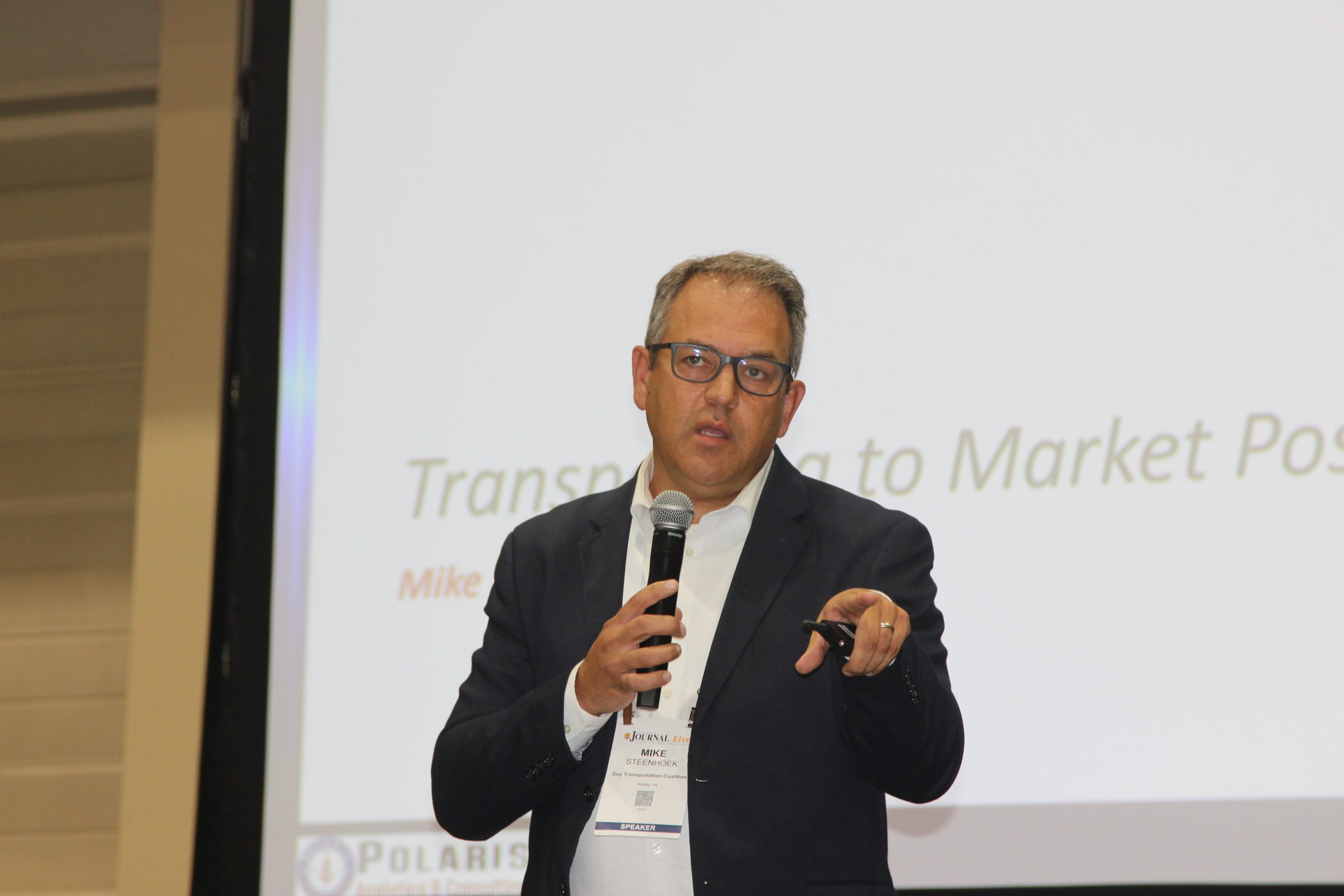
As head of the NMPF, he said from 2023 to 2026, the dairy industry has invested $10 billion in processing and efficiency, and he noted the recent opening of the Hilmar Cheese plant in Dodge City as an example.
Doud believes that U.S. raised corn and soybeans will be the feed that drives the continued expansion of livestock and milk production. He understands the prices per bushel are low, but that provides an opportunity for all segments in the livestock industry to grow, and grain producers can work with livestock and dairy industries and benefit, too.
Doud agreed the New World screwworm in Mexico is a serious pest to the U.S. beef industry. He would not be surprised if it eventually gets into the U.S., but he was hopeful about how the U.S. Department of Agriculture, Secretary of Agriculture Brooke Rollins, Mexico and other entities have approached the problem.
Dave Bergmeier can be reached at 620-227-1822 or [email protected].
Speakers discuss variety of topics, including disease, wheat varieties and foreign markets
By Lacey Vilhauer
One stand-out session for livestock producers was presented Dr. Rosslyn Biggs, DVM, on the most significant disease threats for the cattle industry right now. She spoke about the ongoing fight to prevent New World screwworm from reaching the U.S., and why it would be devastating to the cattle industry if these flies make it across the Southern Border.
She also discussed Asian longhorned tick, which is an invasive species that has been identified in the U.S. and can vector both human and animal diseases plus cause severe anemia in livestock.
Farmer panels, crop genetics and soil health
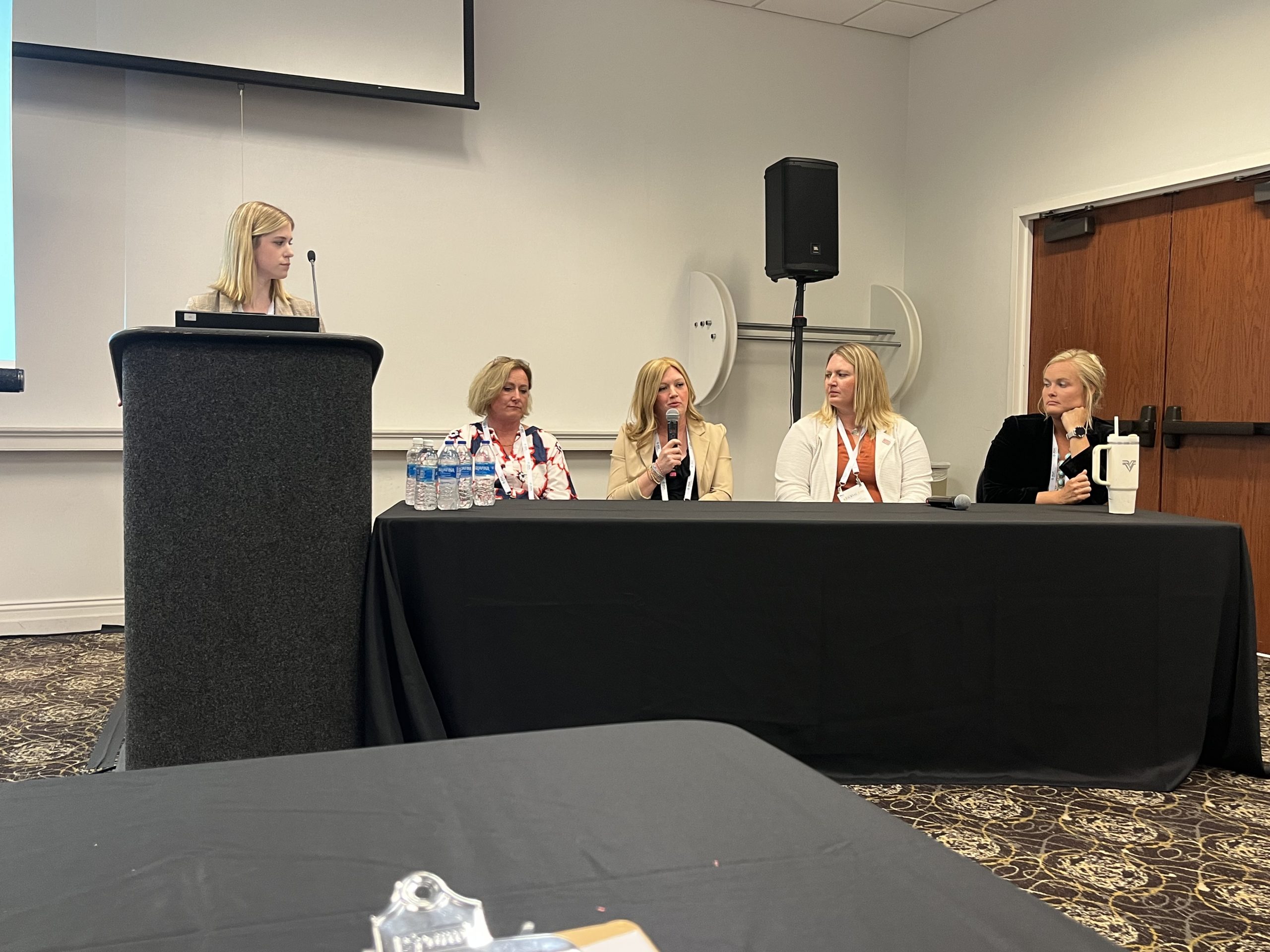
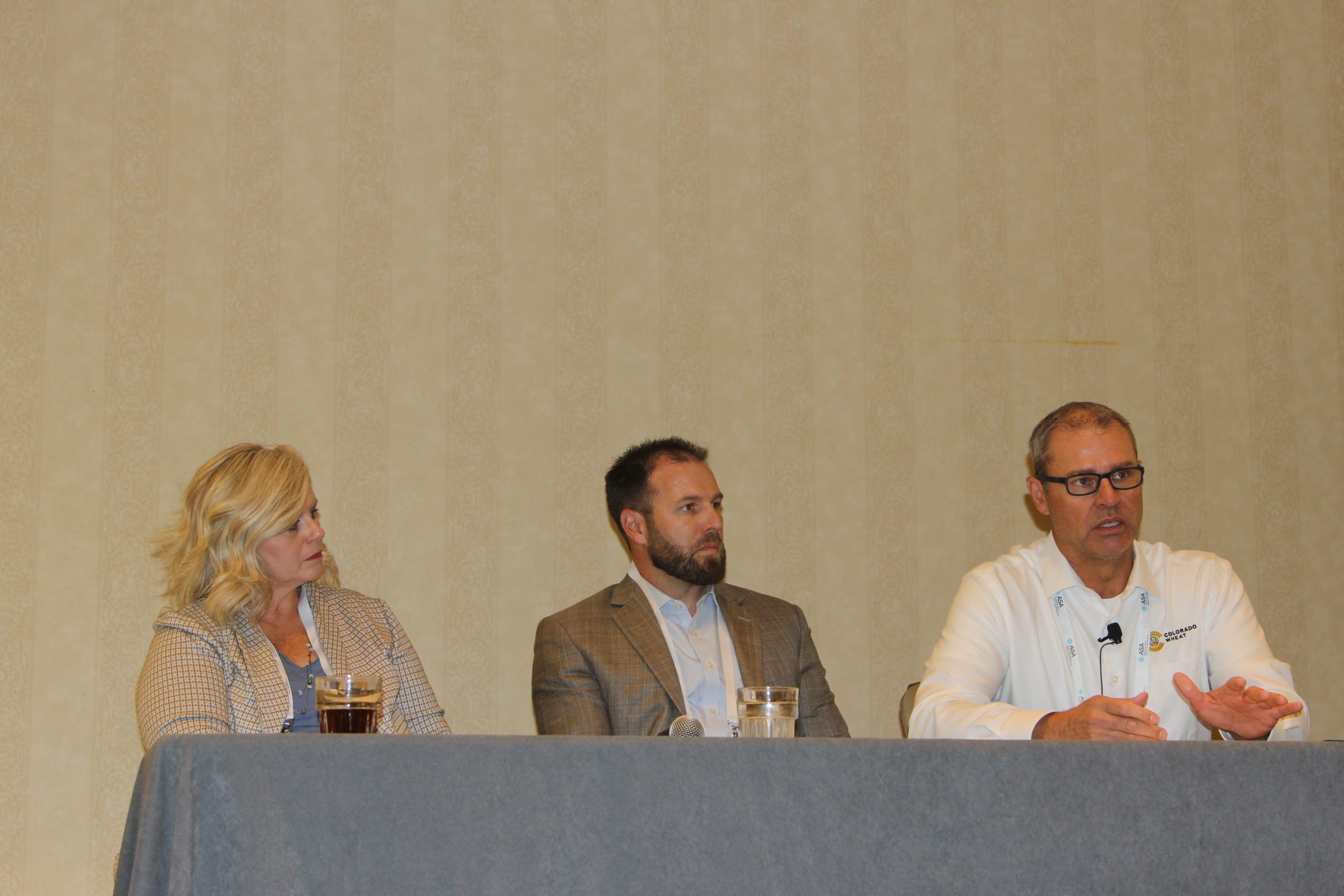
Farmer panels are often a highlight at HPJ’s education events, and the alfalfa grower panel was no exception. Farmer panelists Clayton Janicke, Drew Thompson, Tim Peterson, and David Buss served on the panel with Don Miller, a forage consultant, serving as moderator.
Topics of emphasis included weed control, especially pigweed and the need for more drought resistant varieties and better pest tolerance. Labor costs were also discussed, and Thompson noted a significant increase in labor costs due to minimum wage laws in Colorado.
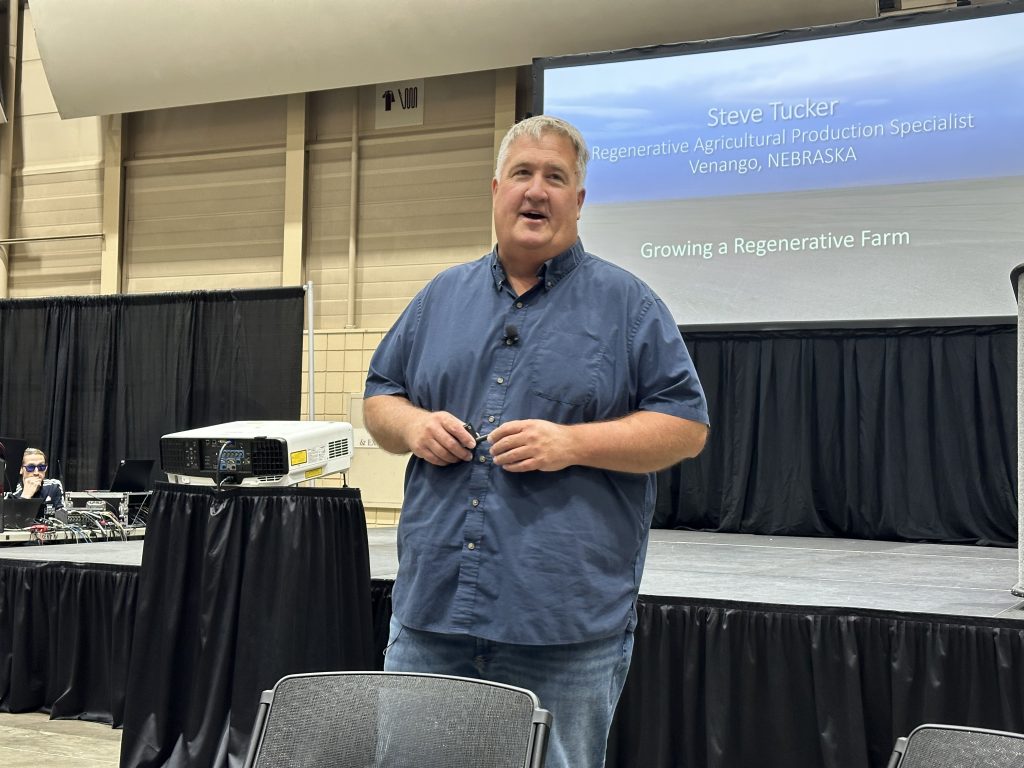
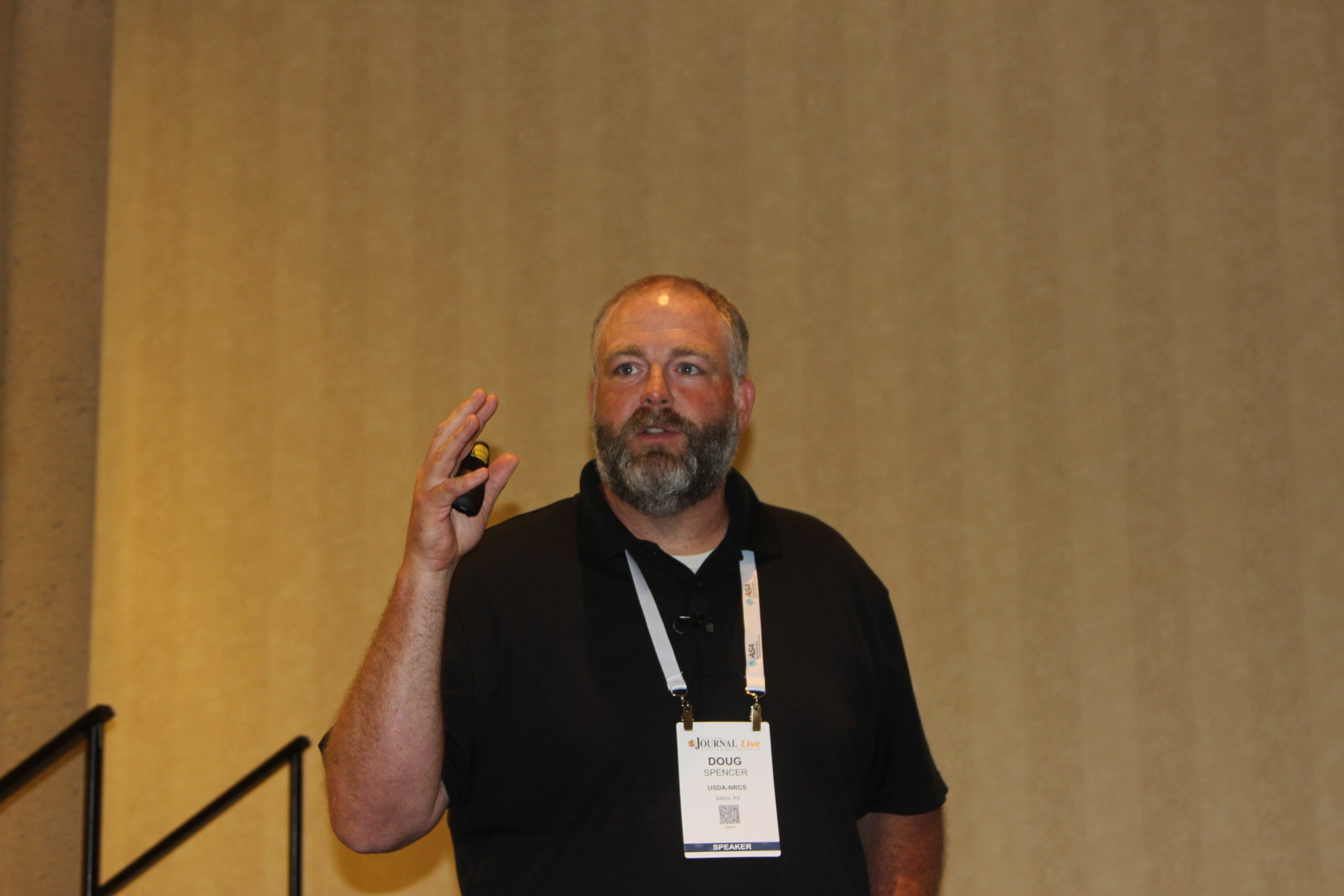
Several soil health focused sessions were also held, which provided general and advanced education for crop and livestock producers. Some of these sessions included Heartland Soil Services’ Noah Goza discussing how to evaluate soil test results; OSU’s Brian Arnall explaining how biologicals can fit into a High Plains farmer’s system; and Steve Tucker, a regenerative farmer from Venango, Nebraska, detailing how he has transformed his farming and marketing practices with great success.
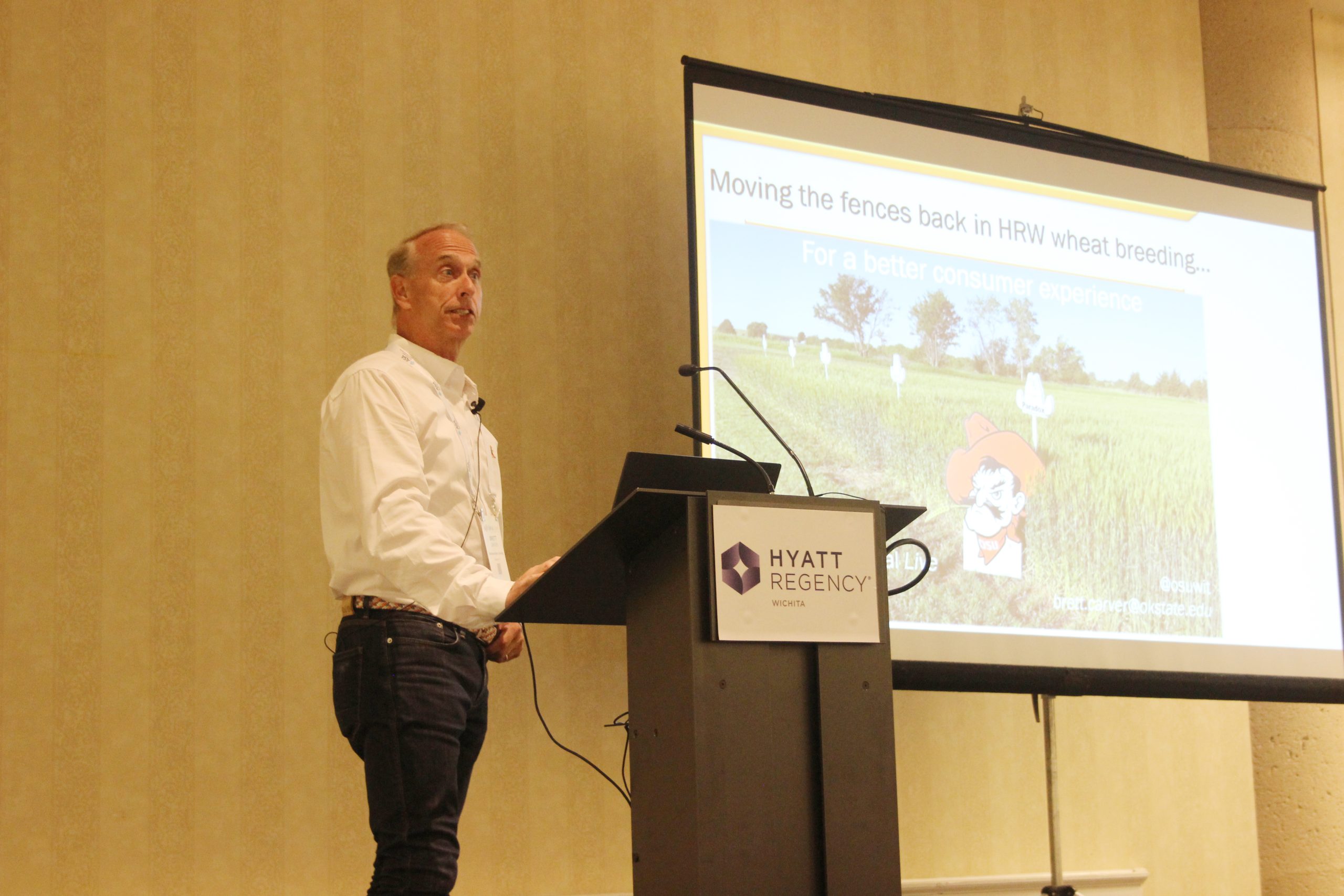
From a wheat genetics perspective, Brett Carver, Oklahoma State University’s regents professor of wheat breeding and genetics, introduced the new “OX” wheat and pigmented wheat varieties, which have sought after qualities for consumers—particularly bakers.
The genetics of OX varieties offer higher dough strength, and pigmented wheat varieties with certain phytochemicals are known to offer human health benefits comparable to fruits and vegetables. Carver discussed how making wheat more marketable with these varieties can bring a greater return to farmers.
Sorghum pests and trade development
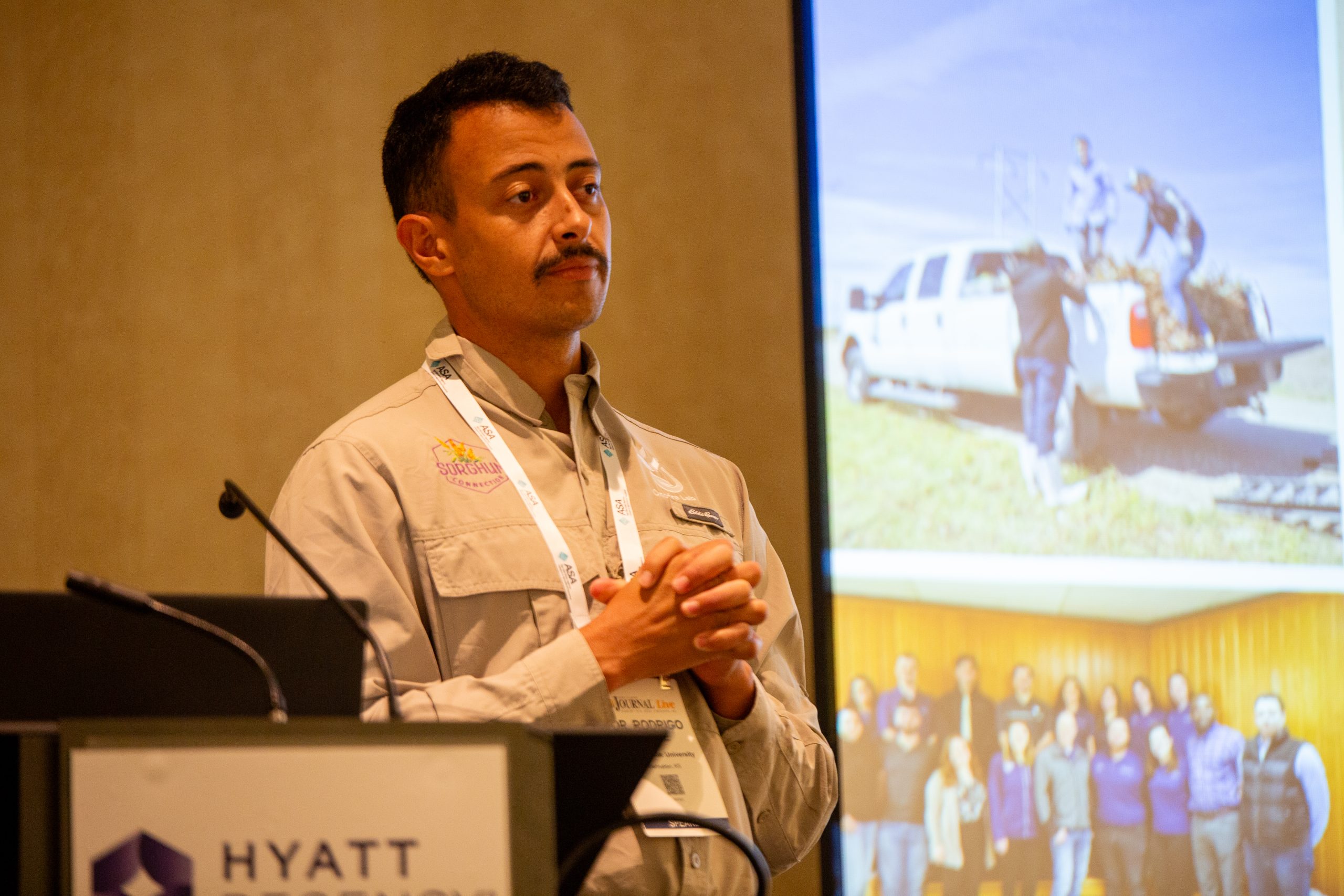
Two sorghum focused sessions of note were the chinch bug management panel and the expanding sorghum markets fireside chat. The panel included Sarah Sexton-Bowser, director of the Center for Sorghum Improvement; Brent Bean, director of agronomy at the United Sorghum Checkoff; Sandeep Marla, agronomy researcher at Kansas State University; and Brian McCornack, entomology professor at K-State.
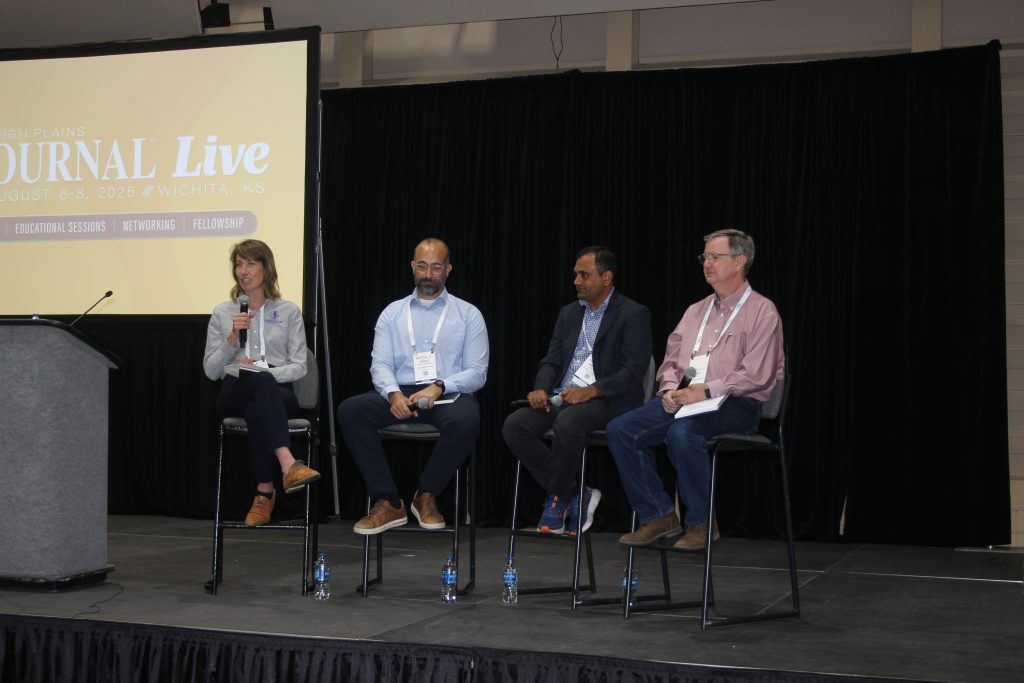
The panel discussed chinch bug infestations in sorghum fields, why they continue to be a pest concern and what tools can be used to thwart them. The panel said these insects have been a problem for at least 200 years and will most likely continue to be an issue for producers because they are part of sorghum’s environment. Fortunately, early scouting and emerging tolerant genetics can be a benefit in preventing damage to yield.
National Sorghum Producers CEO Tim Lust and Kansas sorghum producer Craig Meeker made up the sorghum markets fireside chat. They used their session to discuss the ongoing trade wins and challenges they have encountered with international trade in countries like India and China.
Although international trade is on a roller-coaster ride right now with tariffs and developing trade agreements, the work being done through organizations like NSP is making progress. Meeker compared the current trade situation is like a pool table.
“Everything was racked up and in November there was a break shot and everything was dispersed,” he explained. “Now with these confirmations, we’ve got really good pool players setting up shots to put the balls in the pockets.”
Lacey Vilhauer can be reached at 620-227-1871 or [email protected].
Sessions at HPJ Live offer something for all kinds of producers
By Kylene Scott
In the livestock keynote session, Shane Tiffany, CEO/owner Tiffany Cattle Company, described how valuable having a mentor was to him and his brother Shawn when they first got in the feedyard business.
Doug Laue left the pair with three rules of business: 1. You’ll have abundance of whatever you tolerate. 2. Set aside the first hour of your day to sit with a cup of coffee and think. 3. Hope for the best and plan for the worst. Shane Tiffany has also learned that culture in the workplace matters.
“It starts with you. If you give away respect, you will get respect,” Tiffany said. “Mindset is huge.”
Cattle marketing panel details market opportunities
In another livestock segment, a panel of livestock marketing professionals answered a number of questions about how to get the highest bid for cattle at auction but looking at adding value and capitalizing on high prices.
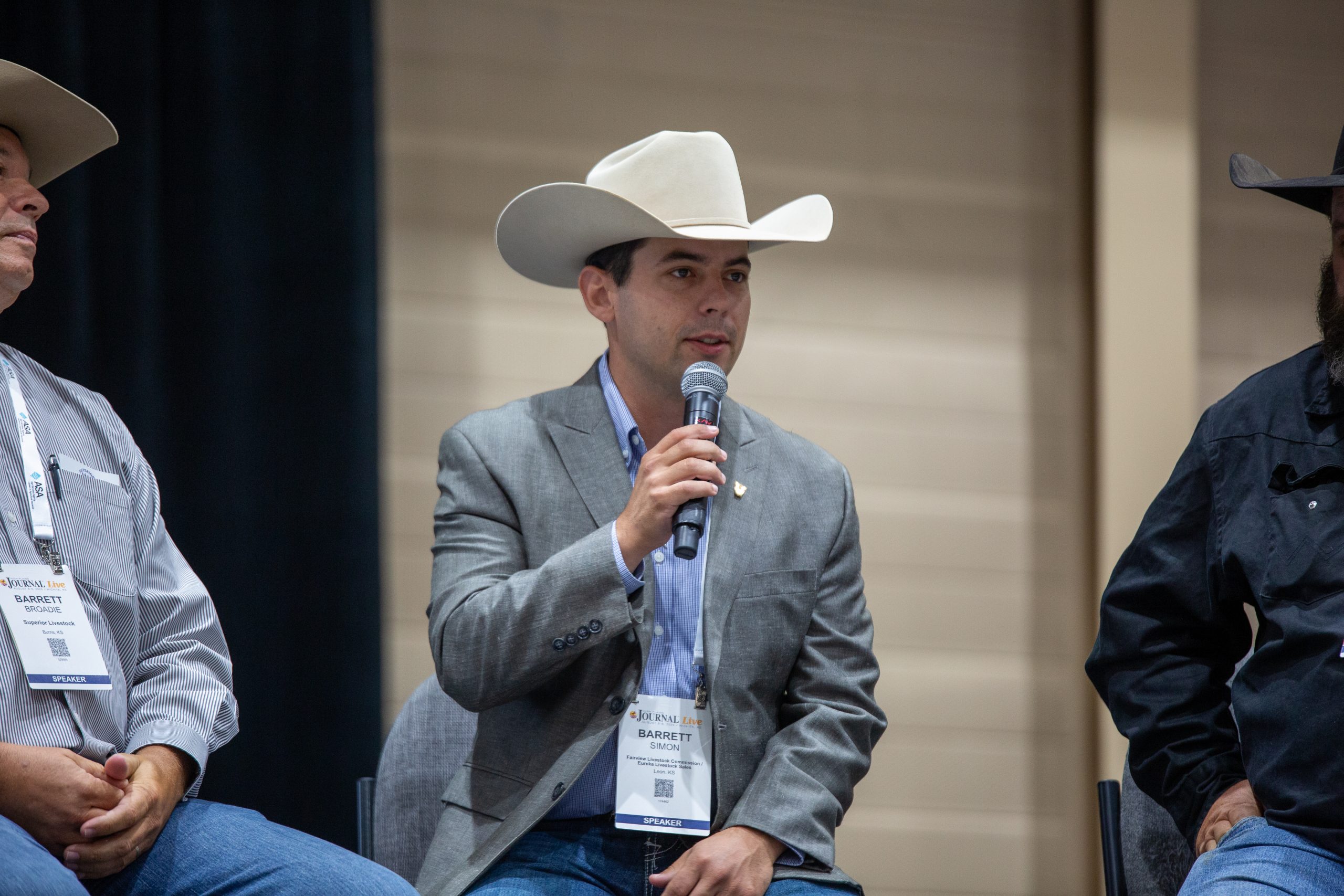
Moderator Jason Warner, Extension cow-calf specialist with K-State, guided panelists Barrett Broadie, Superior Livestock representative; Layne Konkel, Beaver County Stockyards, Beaver, Oklahoma; Skyler Moore, owner, Joplin Regional Stockyards; and Barrett Simon, auctioneer, Fairview Livestock Commission/Eureka Livestock Sales. Weather conditions dominated the discussion with its effect on forage and feed and Moore said hay production this year has been exceptional.
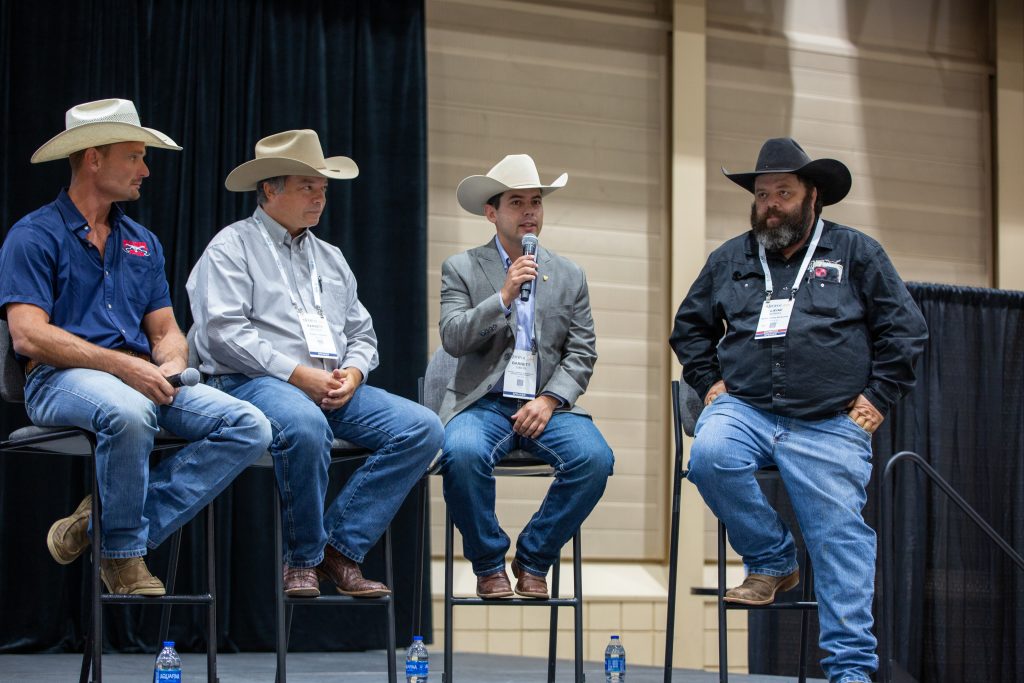
Brody said lighter-than-expected yearling weights have been noted. Market prices for 5 and 6 weight steers and 700-pound yearlings are significantly higher than previous years. He noted a 200% increase in four years.
Small and mid-sized producers need support when it comes to genetic selection, market discovery and maintaining competition, according to the panel. They also discussed the potential for further backgrounding and the influence of international trade on market dynamics.
Drought stress in alfalfa, expectations for cattle numbers
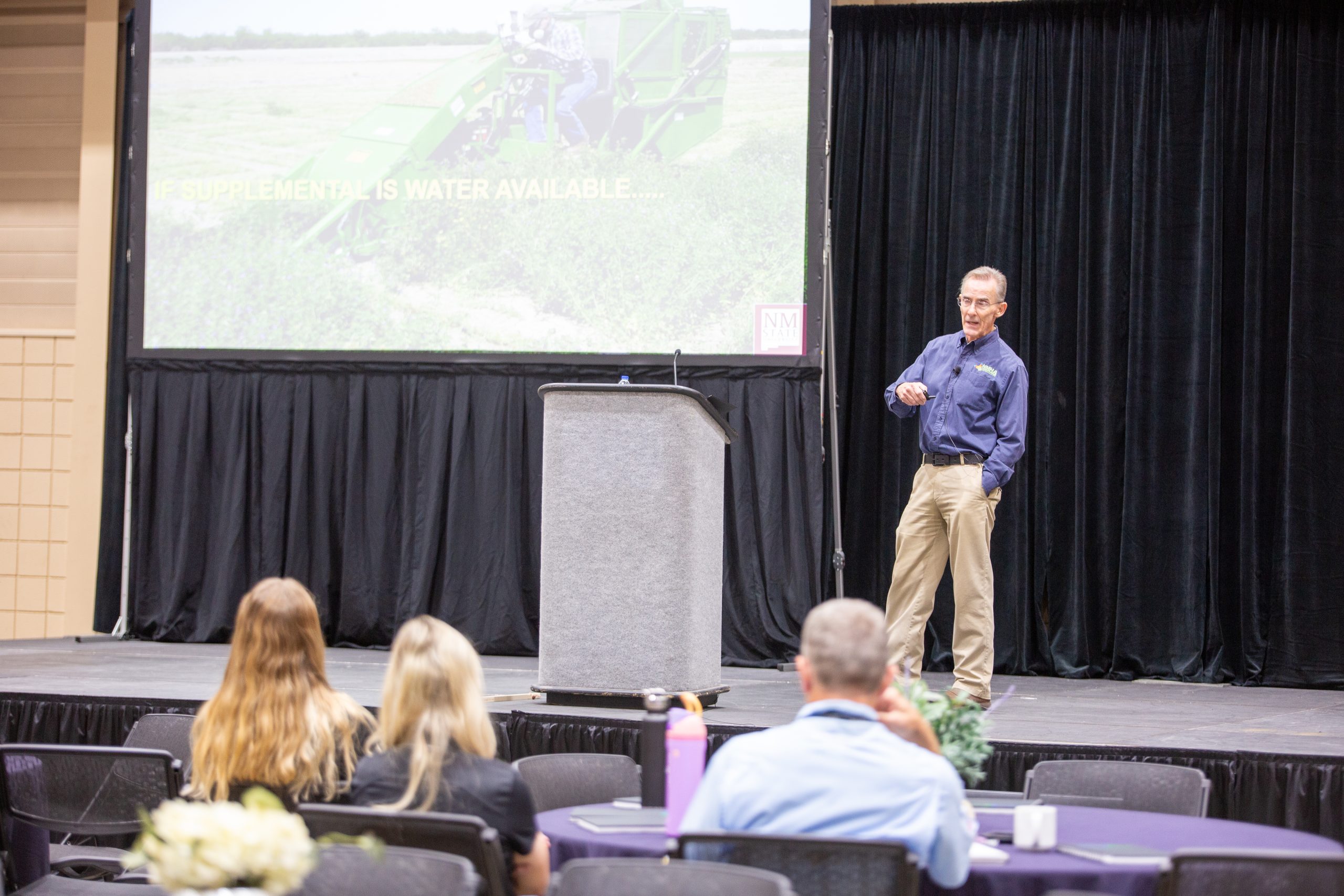
On the crop side, an industry keynote featured Ian Ray, emeritus professor of agronomy (retired), New Mexico State University, where he discussed drought-resilient alfalfa varieties and deficit irrigation management strategies. Producers throughout the High Plains and western regions of the United States regularly face reduced alfalfa production due to drought conditions and limited irrigation resources.
At NMSU, Ray and others have worked to develop varieties that are able to recover from prolonged periods of drought stress and still garner high yields when they do receive adequate irrigation. He also touched on several irrigation management strategies that can be used on the new varieties.
Glynn Tonsor, agricultural economist with K-State, spoke during day two, updating attendees about the state of the cattle market and what things might look like going forward.
Tonsor said there is dual support of supply and demand, but said it’s important to not take demand for granted, citing historical fluctuations and the impact of economic conditions on beef consumption.
With the low number of cows, he doesn’t expect there to be a clear national herd expansion until summer of 2026. But despite fewer calves being weaned, backgrounded and sent to feedyards, increased dress weights slightly offset this decline. In 2024, beef production increased slightly due to heavier carcasses. Prices are up, with fed cattle at $140 per hundredweight and feeder cattle at $200.
Kylene Scott can be reached at 620-227-1804 or [email protected].
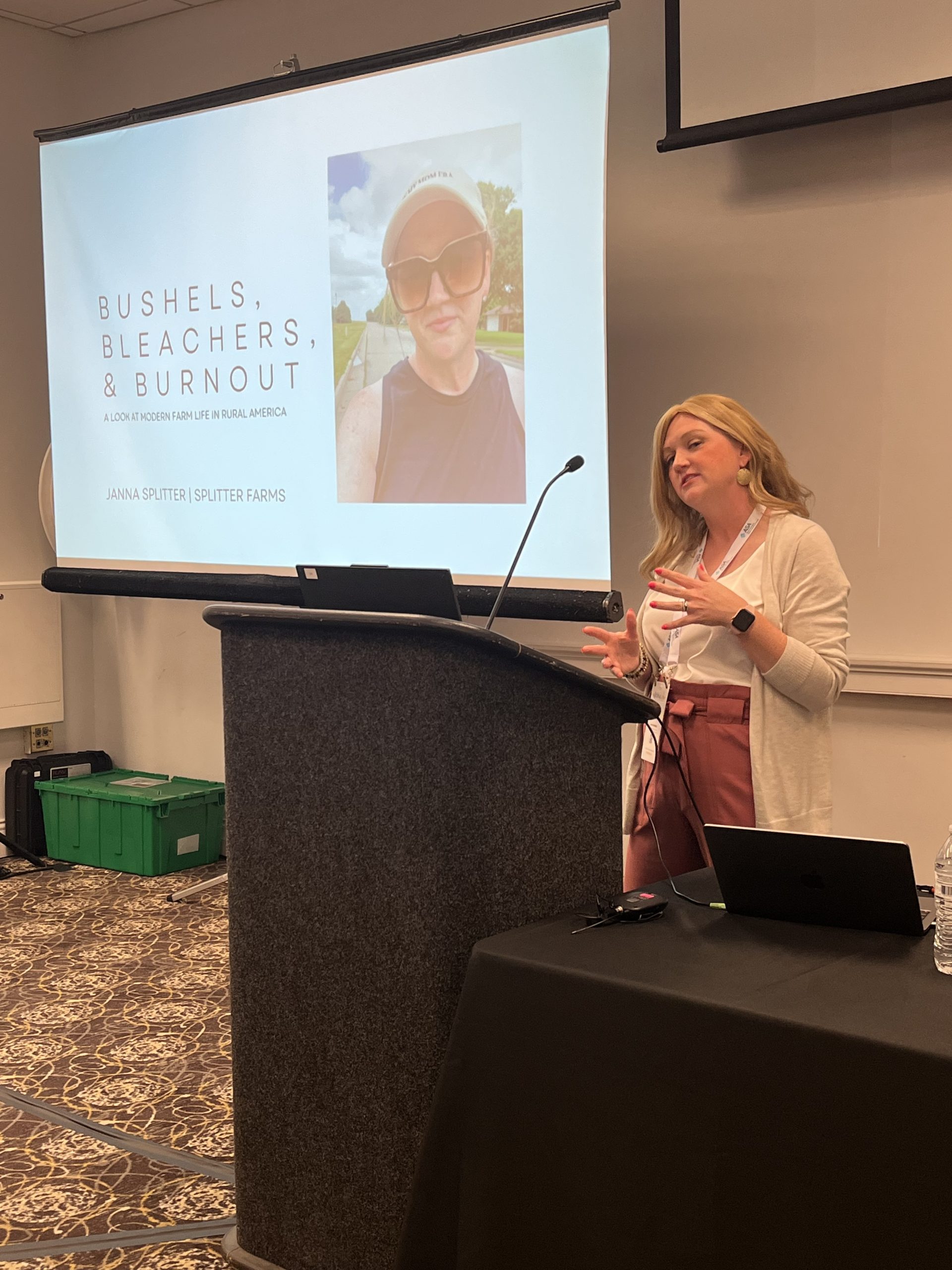
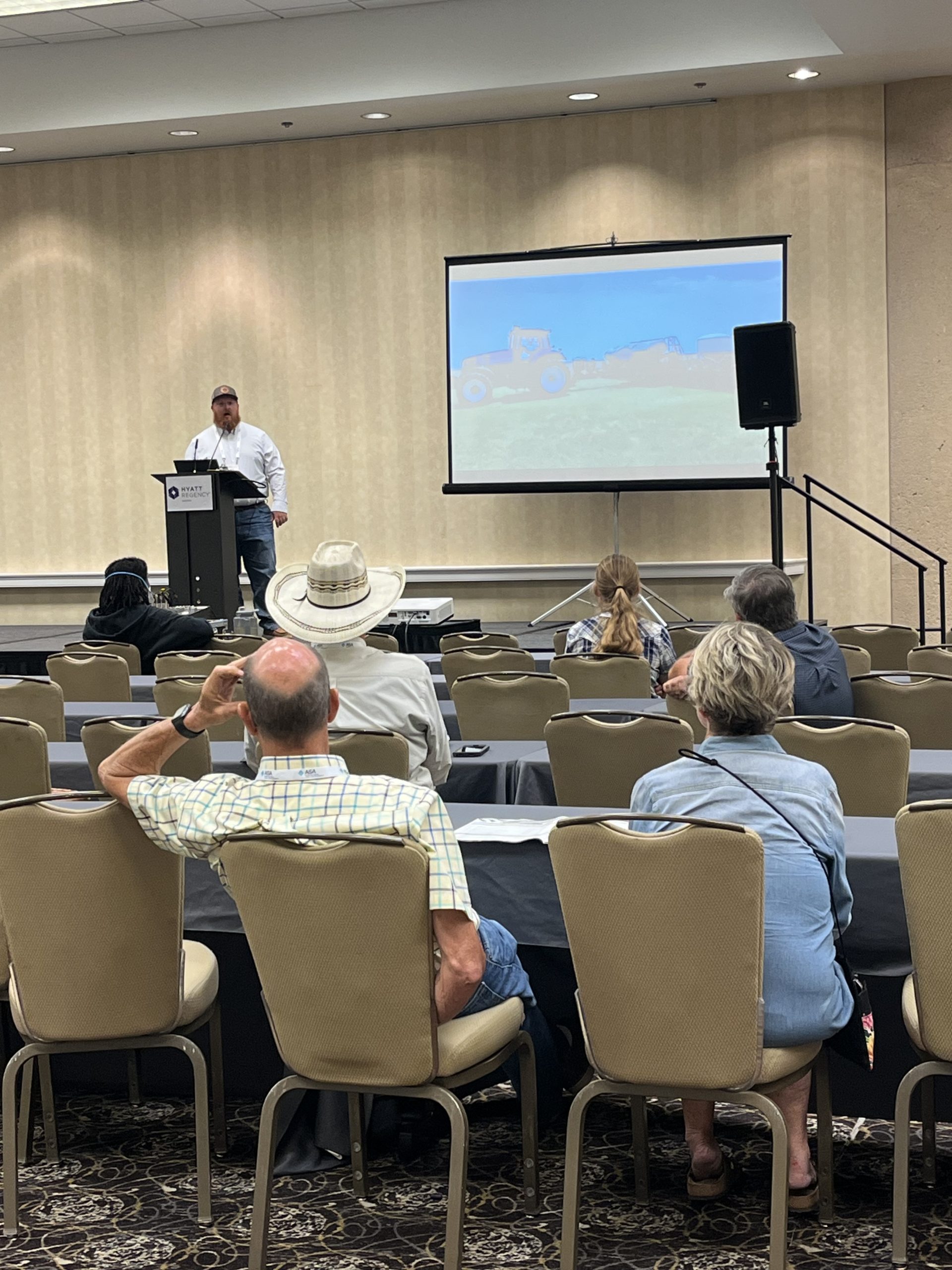
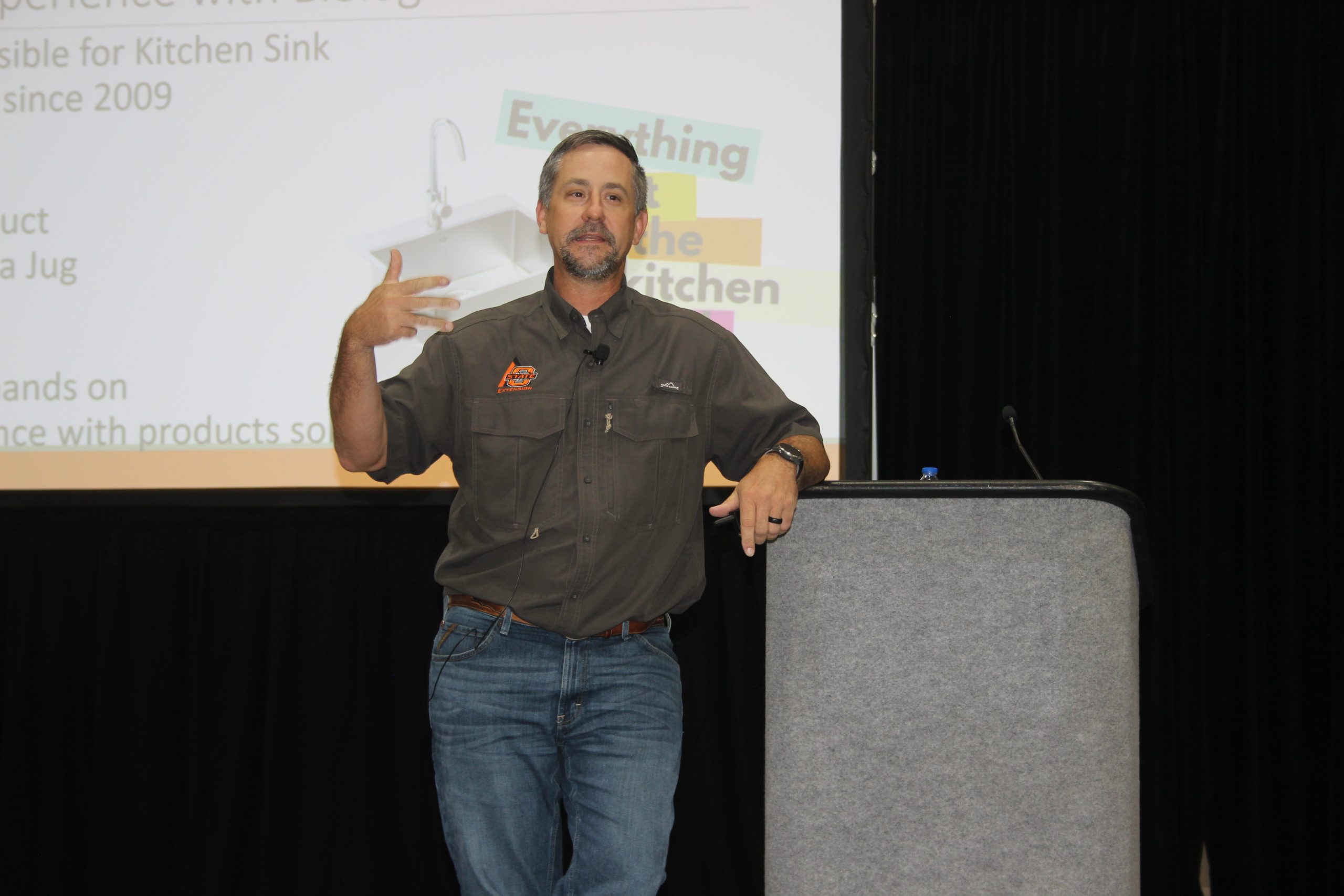
Photo highlights from HPJ Live
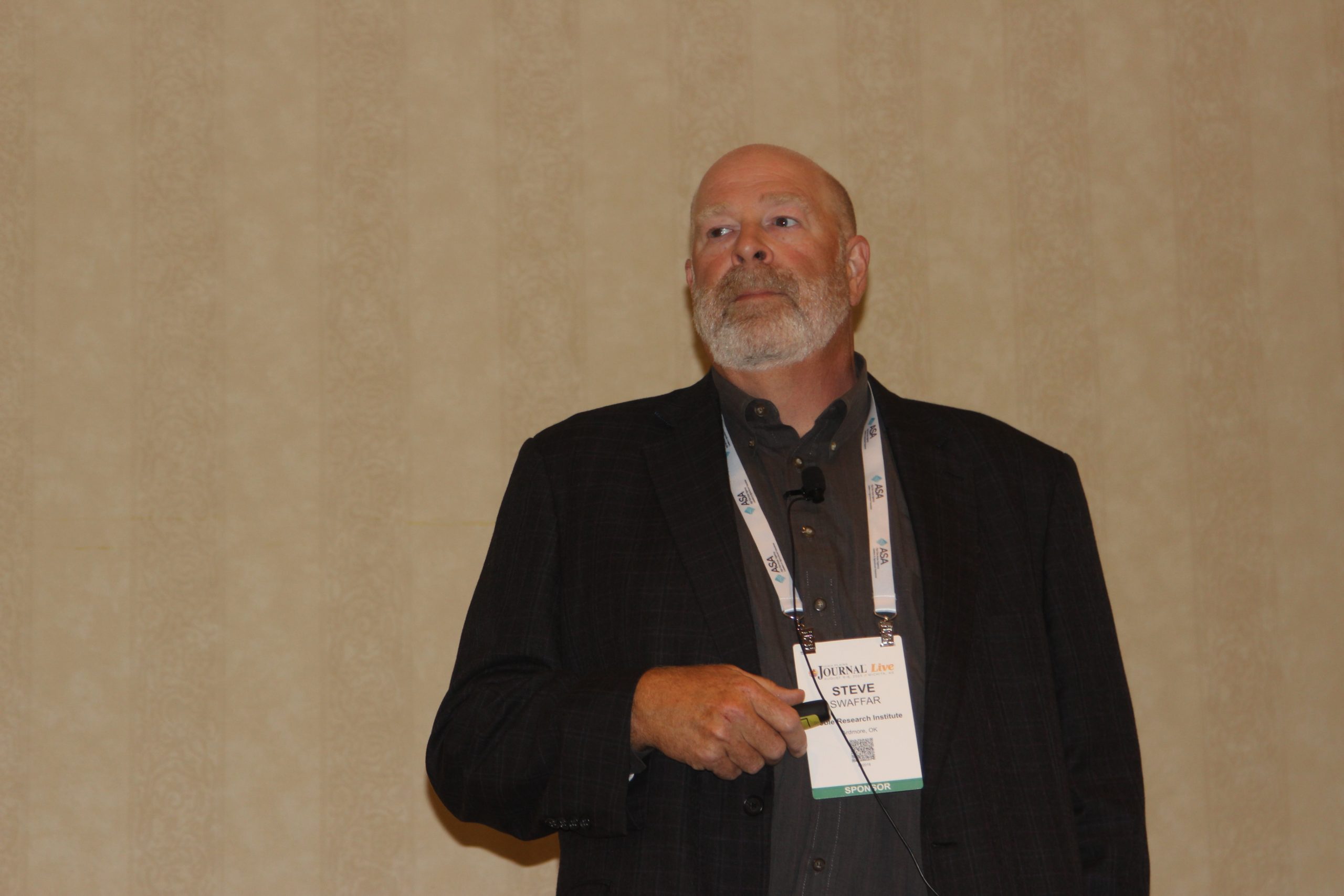
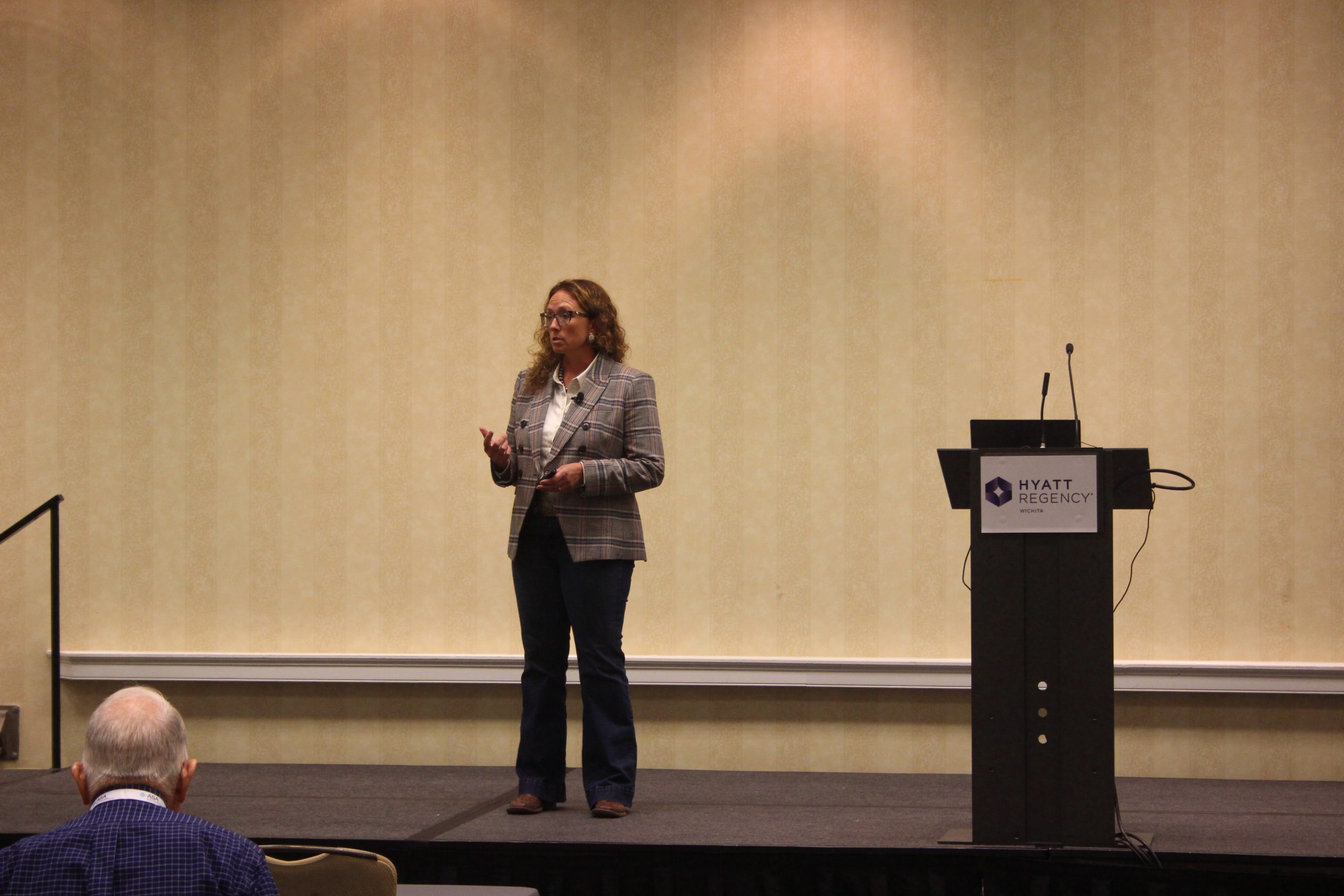
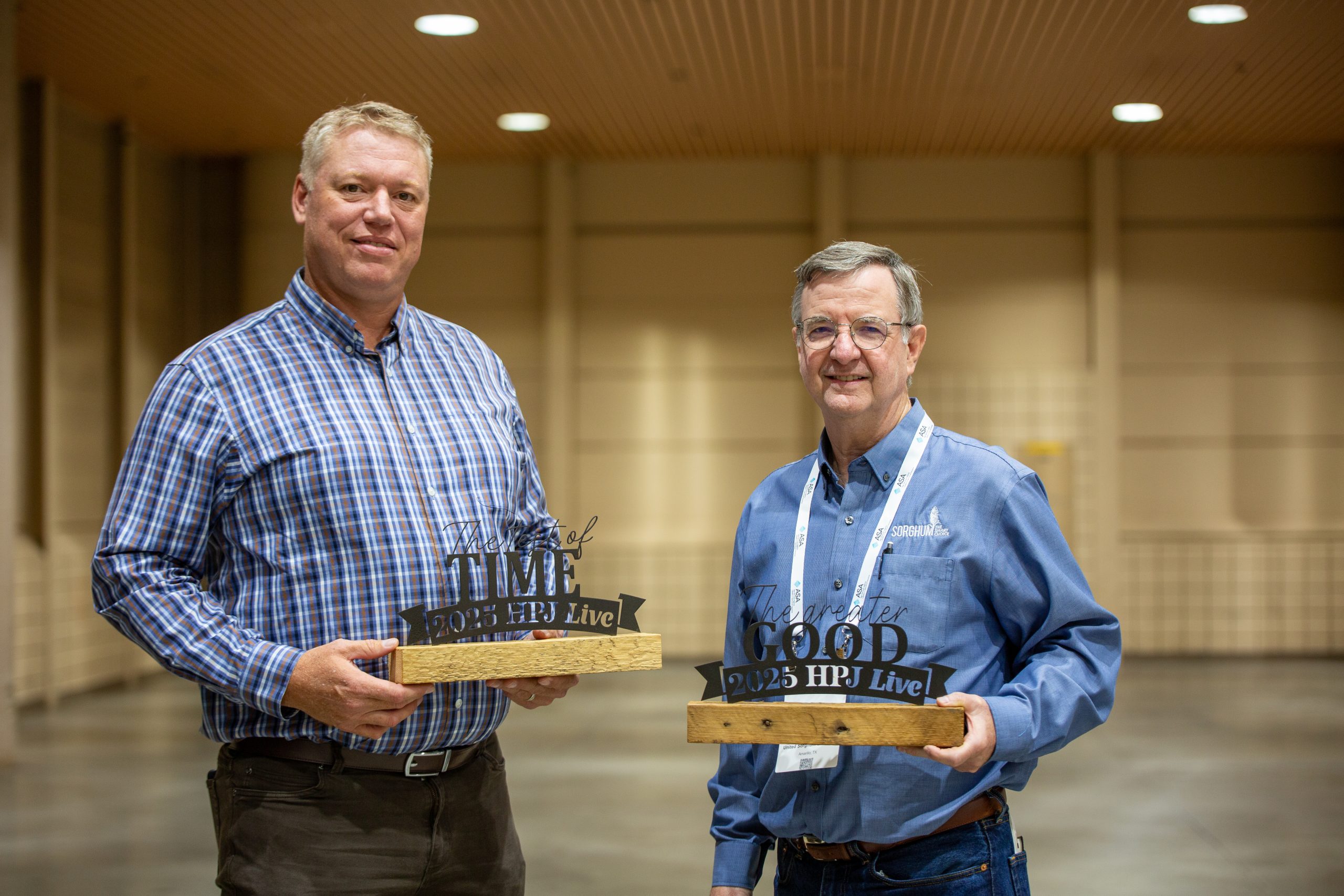
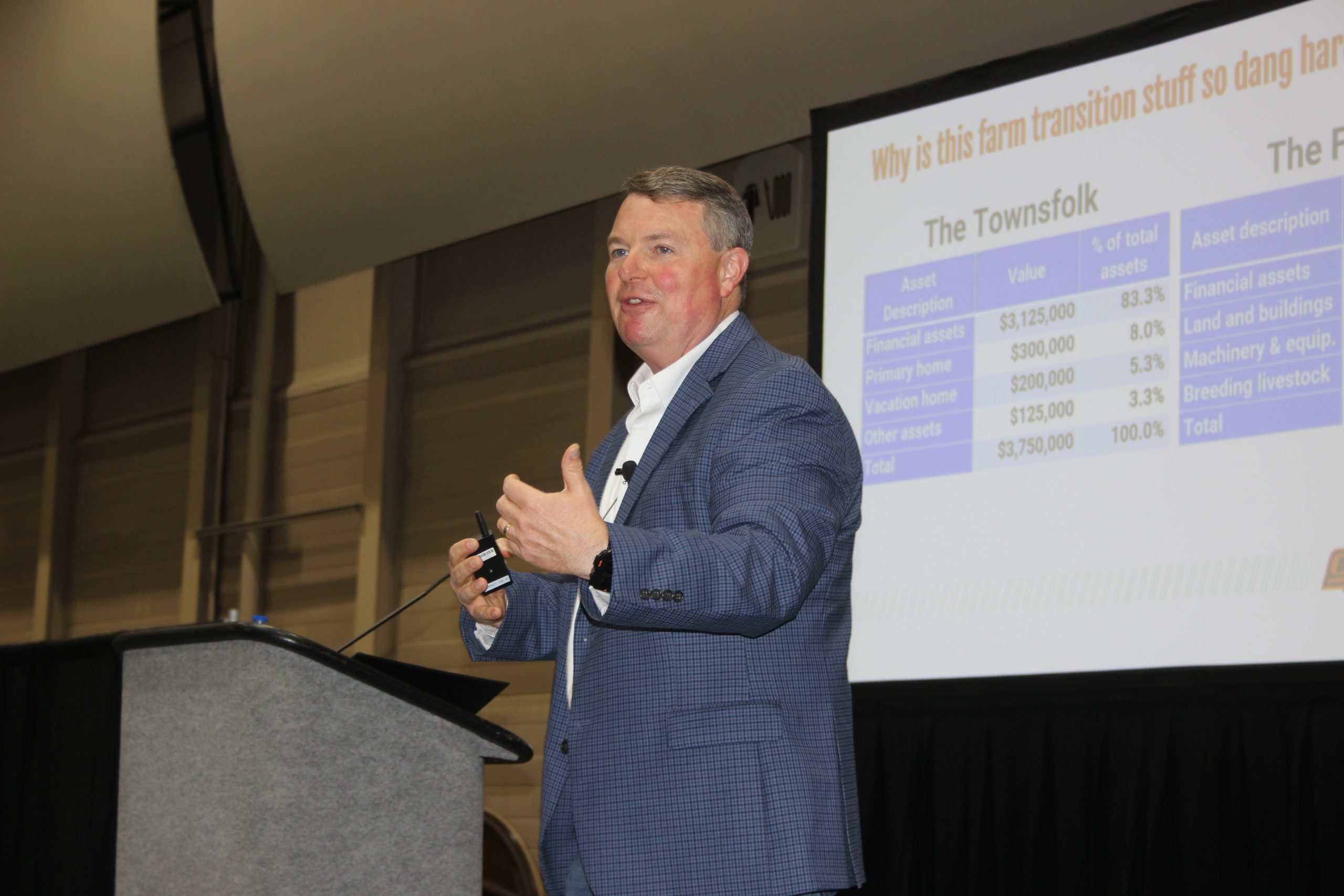
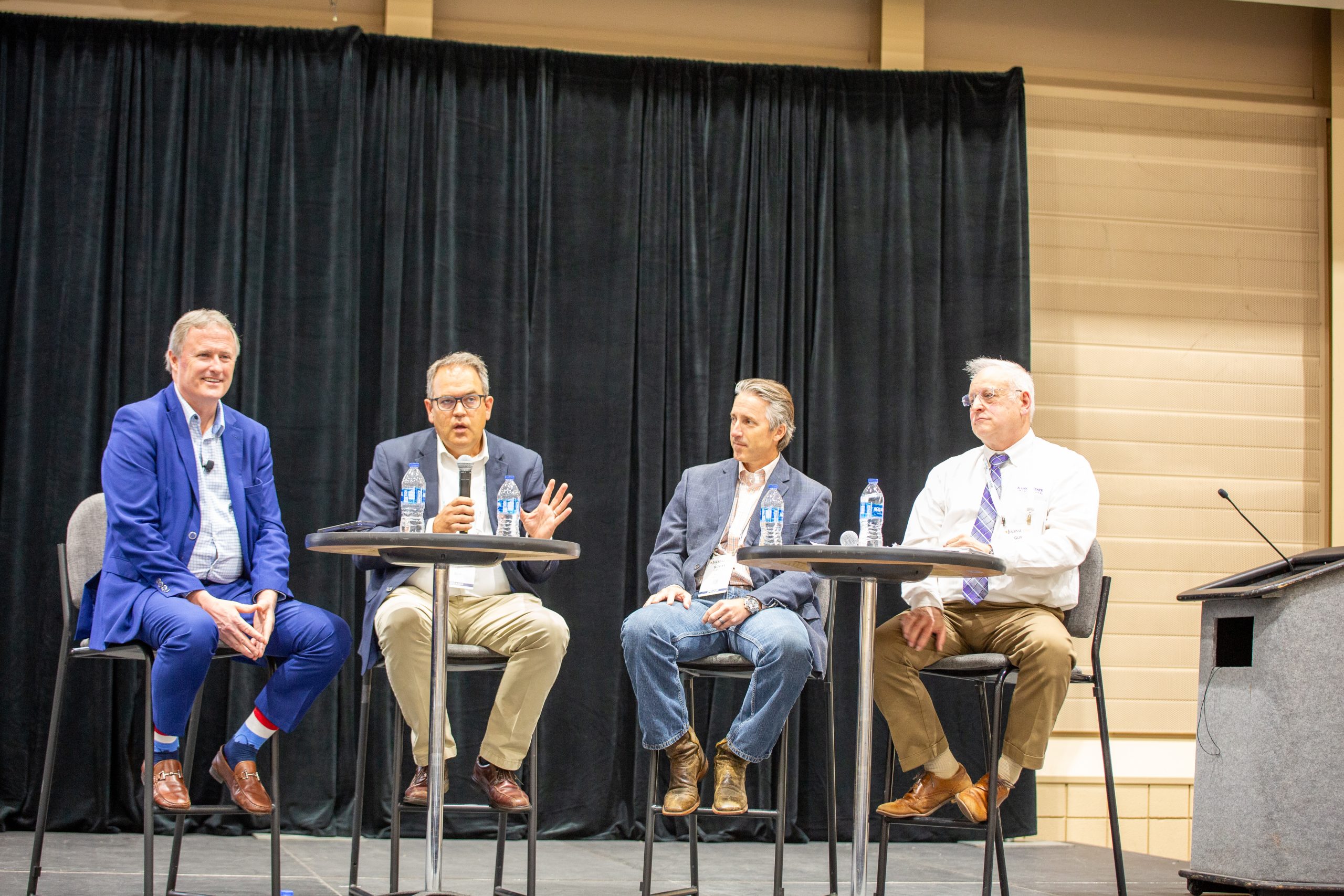

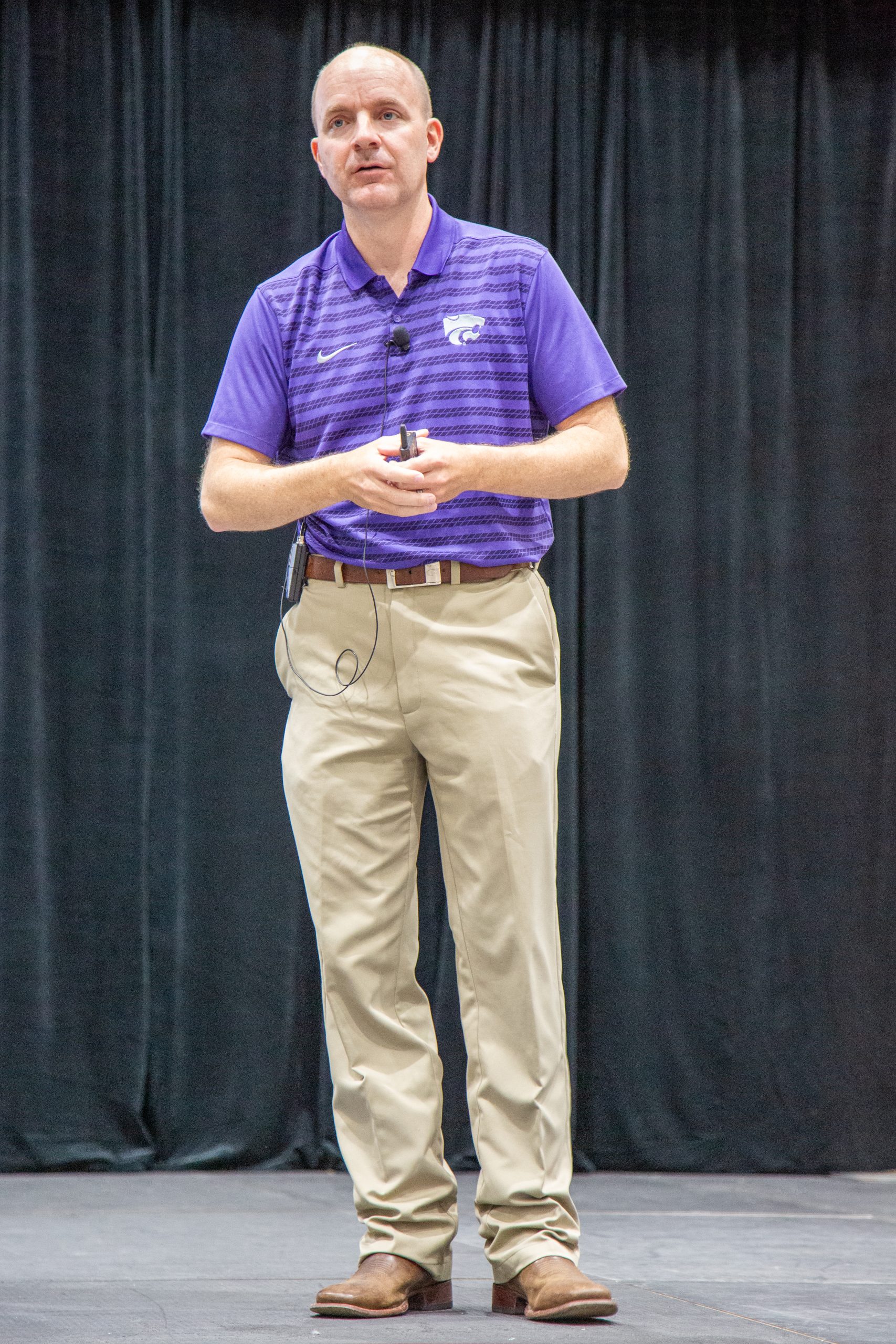
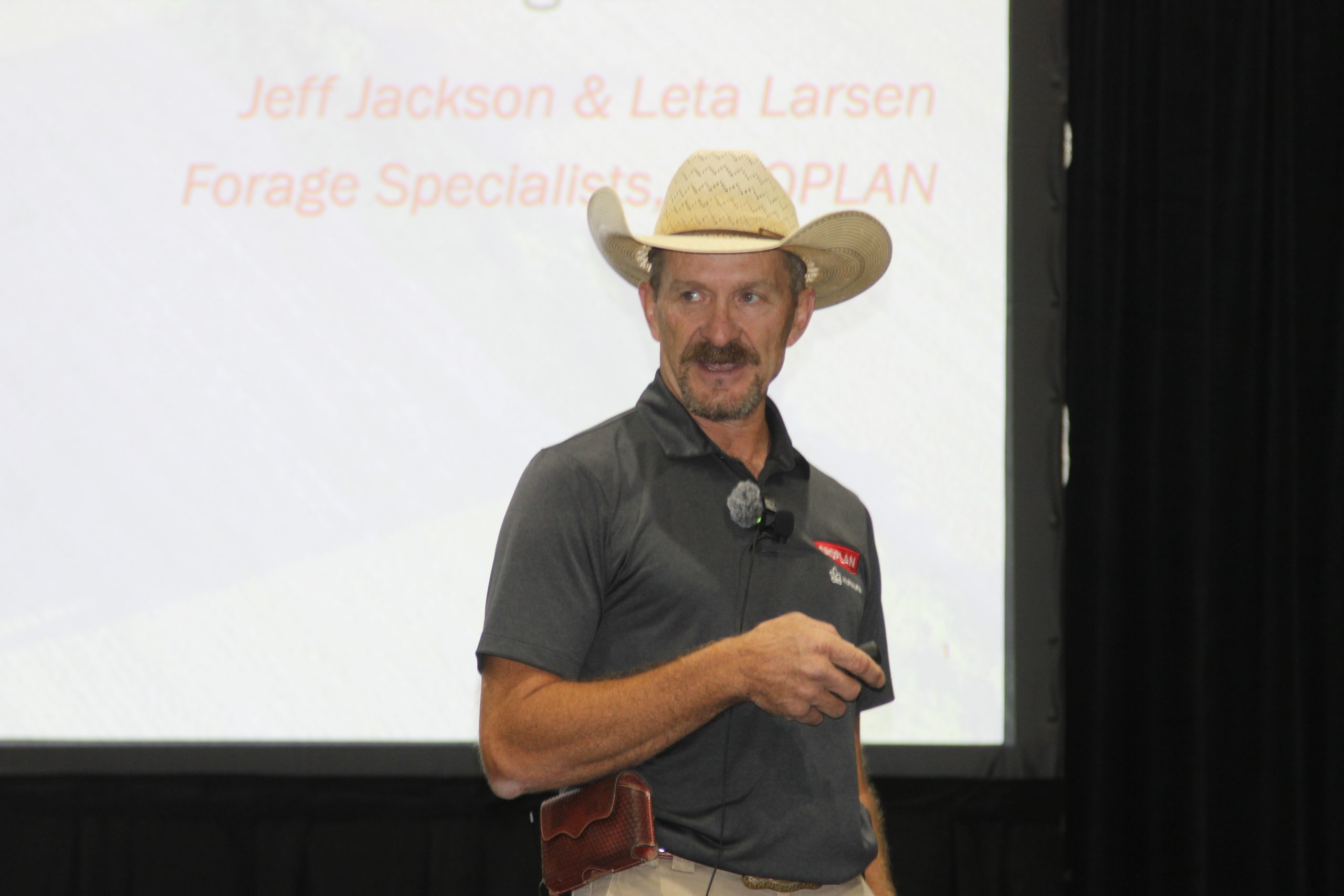



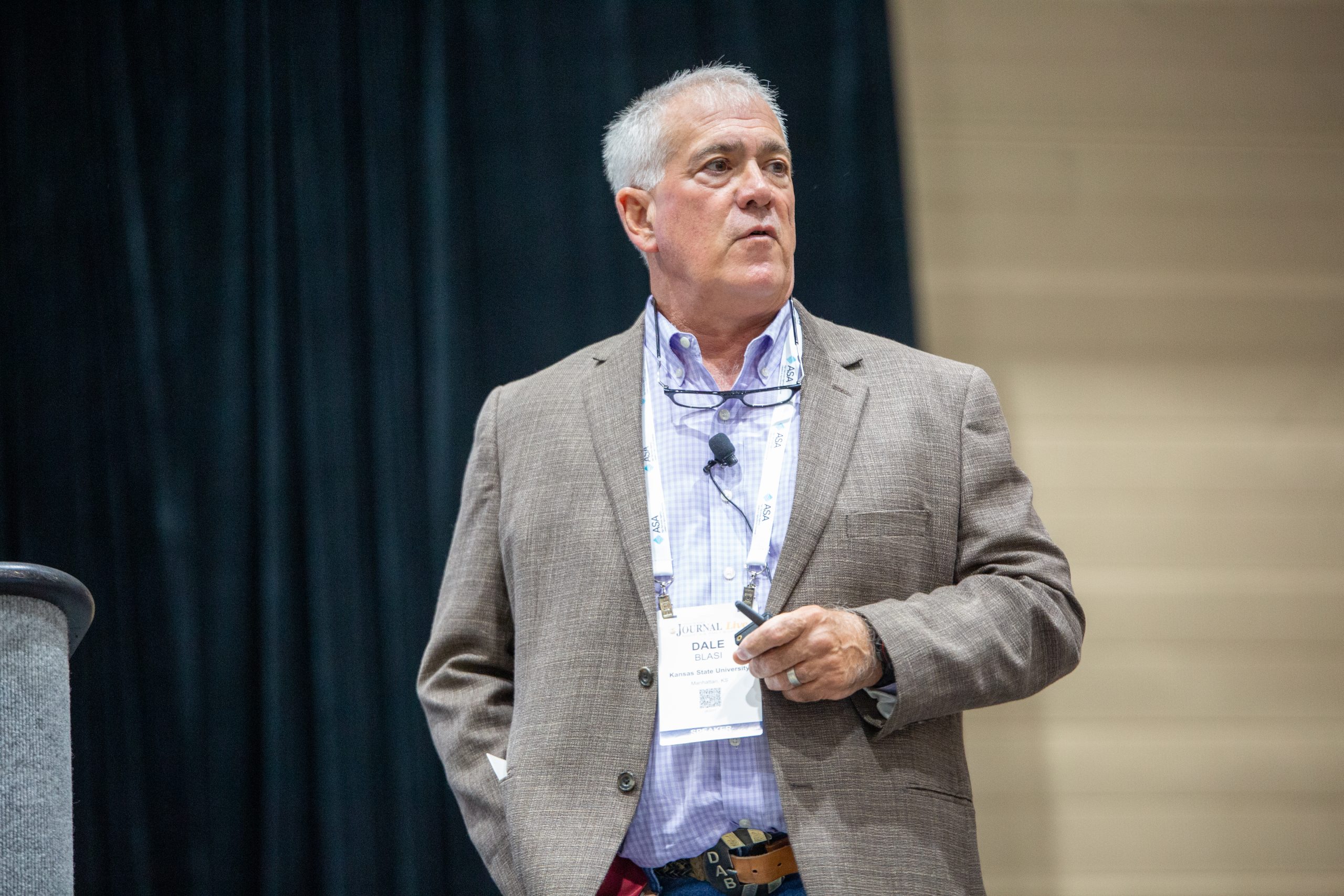




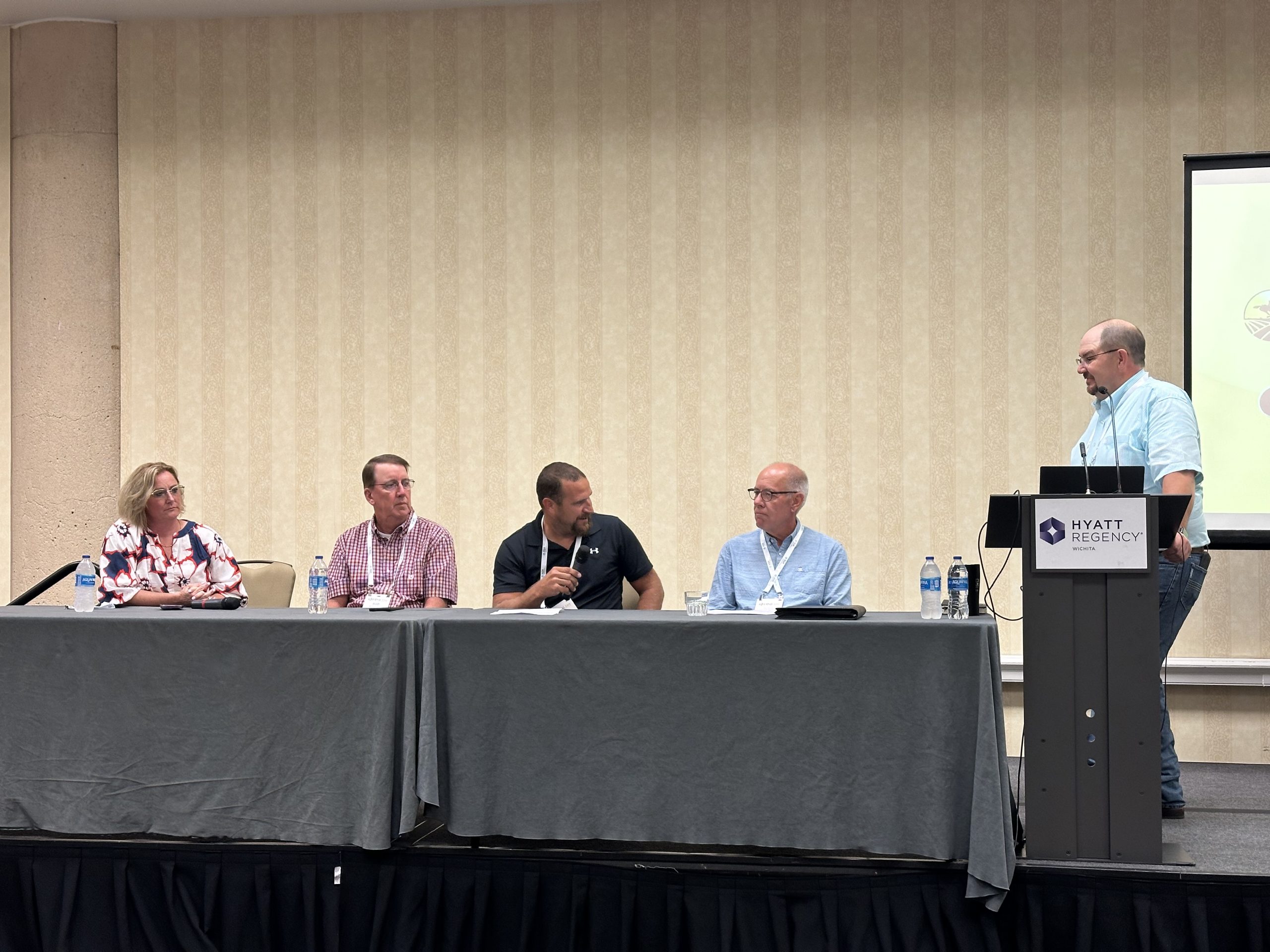

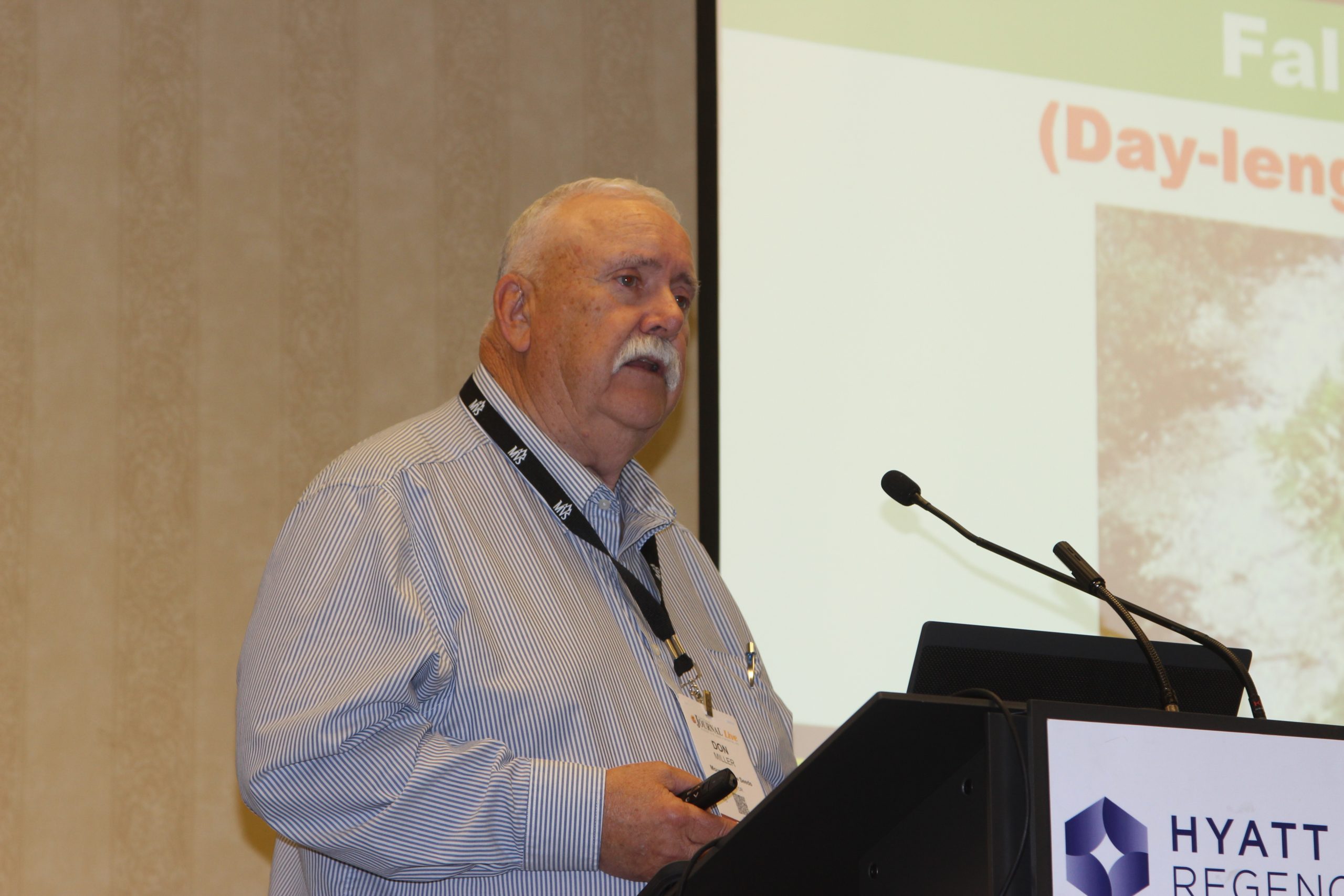
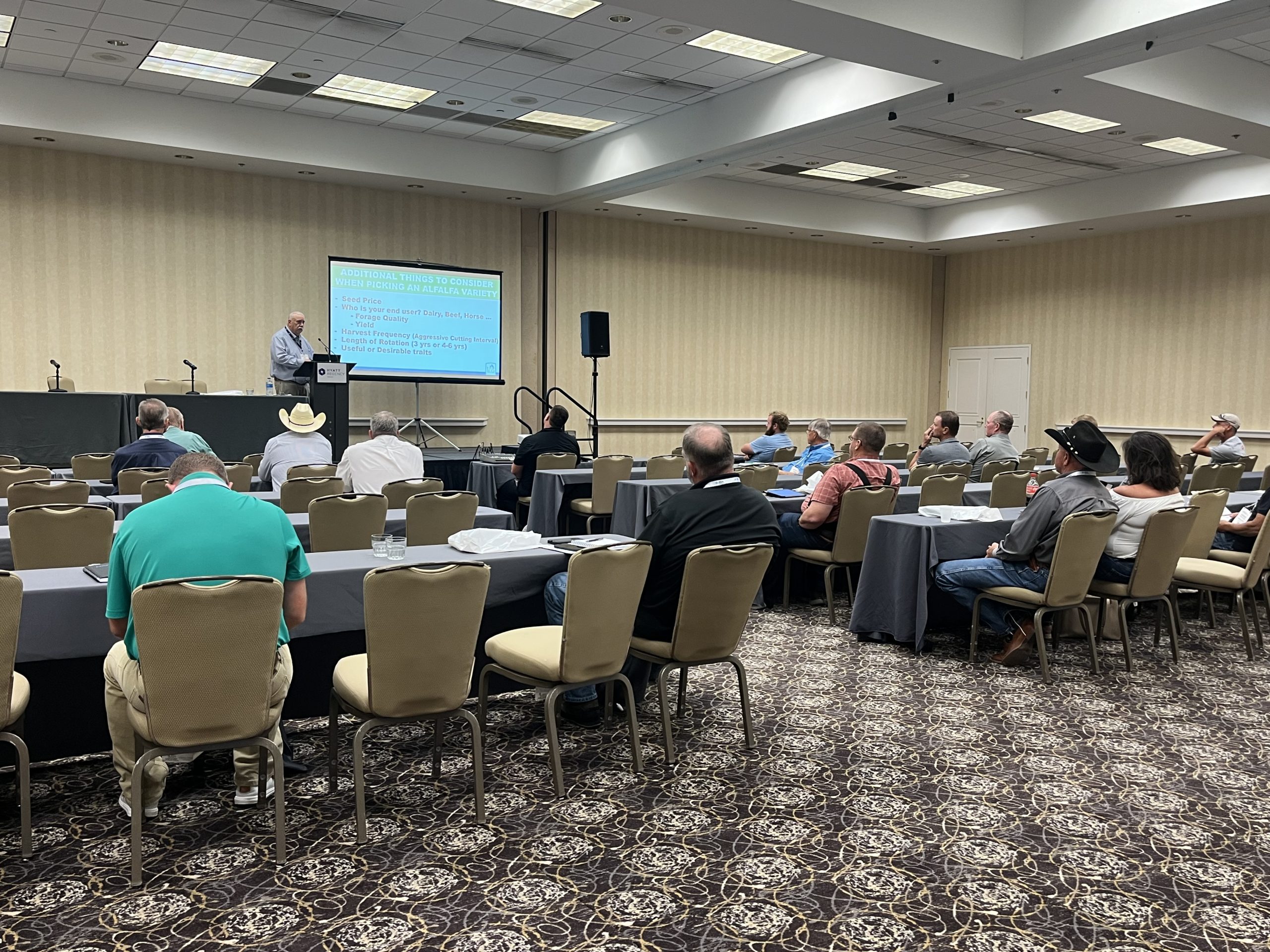
Don Miller, a forage technical consultant with Mountain View Seeds. (Journal photo by Dave Bergmeier.)