
Specialty crops: Short season, high profit potential
Many growers are feeling the pressure of low commodity prices and high input costs in 2025. With profit margins tight, it can feel like a farmer’s hard work is not being rewarded when it comes time to sell his grain.
Producers are looking for avenues to add value and supplemental revenue to their operations, and many are willing to step outside the box of traditional commodities. One strategy to generate extra income is planting short season specialty crops.
The specialty crop category includes everything from fruits, vegetables, flowers or nuts. However, the specialty crops that fit best in the High Plains climate and have a short enough growing season to be harvested during the fallow period for wheat or other small grains are more specific. These include crops like mung beans, buckwheat, millet, and cowpeas—including black-eyed peas, pinkeye peas, and Chinese red peas.
Apache Seed
Alan Mindemann has been growing specialty crops for 30 years. In the past, he has rented facilities or worked with seed companies to have his seed cleaned and processed. However, eight years ago he took a leap of faith and built his own processing facility, called Apache Seed & Supply, LLC in Apache, Oklahoma.
“I figured out when I was about 16 years old that growing wheat and hauling it to the elevator was never going to make money,” he said. “When I started farming on my own in 1995, I immediately went to no-till and specialty seed. I double cropped and planted specialty crops after wheat, and I’ve just built it up to now.”
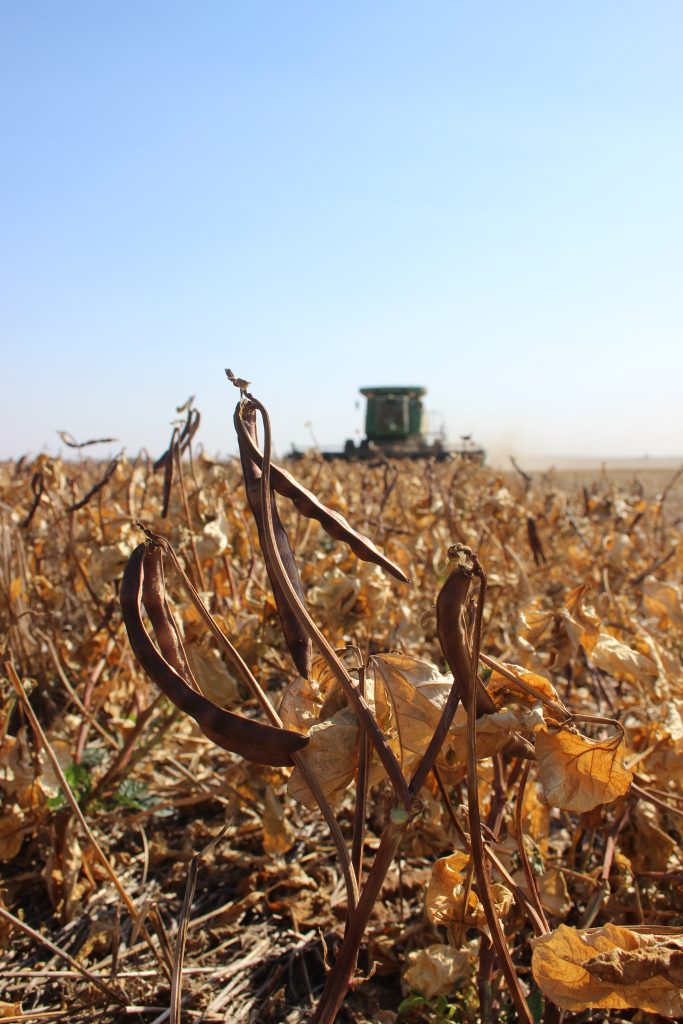
Mindemann grows around 4,000 acres of specialty crops every year and has stopped planting traditional commodities entirely. As more demand developed for these crops, Mindemann entered into partnerships with other farmers in the High Plains to grow contracted acres and fulfill the demand.
Although Mindemann produces about 40 to 45% of the seed he sells through Apache Seed on his own land, farming out the remaining acres to other producers reduces his overall risk. By spreading out acres, more seed can be planted, and he is not reliant on the weather in a specific region to be favorable to his crop.
As the seed dealer, Mindemann has developed relationships with end markets for specialty crops and serves as the middleman between the farmer and buyer. That set up allows all three parties to benefit with reduced risk.
Part of Mindemann’s farming operation is raising the seed that his contract growers will plant and he works diligently to produce clean seed that will flourish in the soil.
“Most of the crops we grow haven’t had a certified seed source in 30 or 40 years, so the seed that’s out there is only as good as you make,” he explained.
Do these crops fit the High Plains?
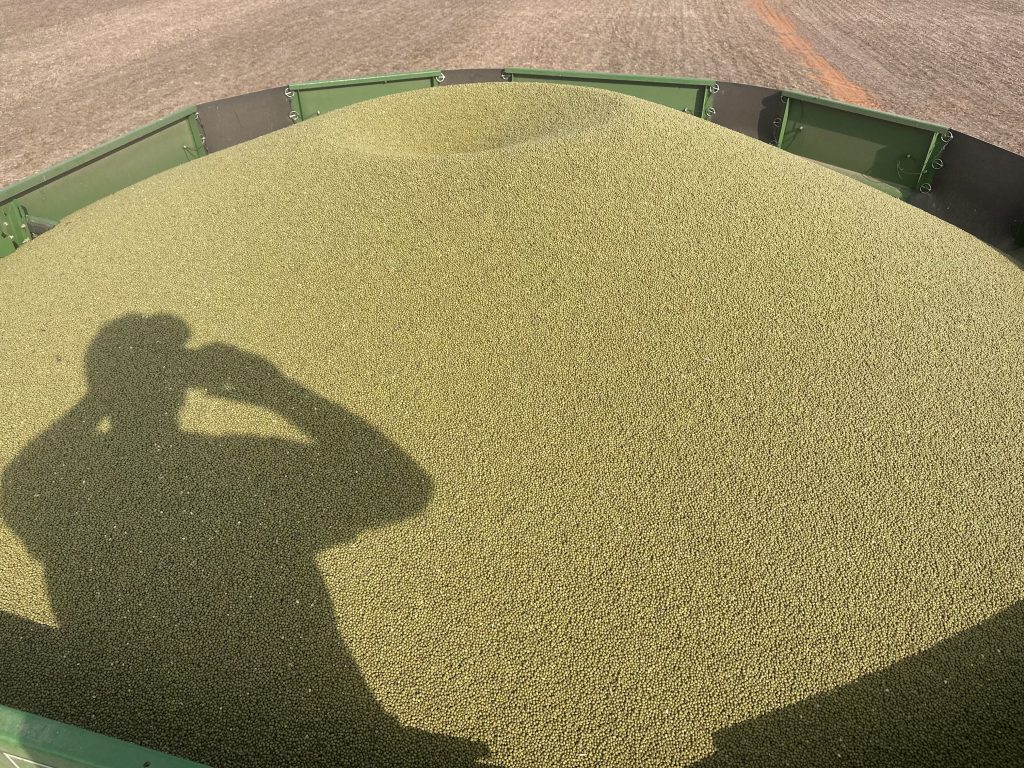
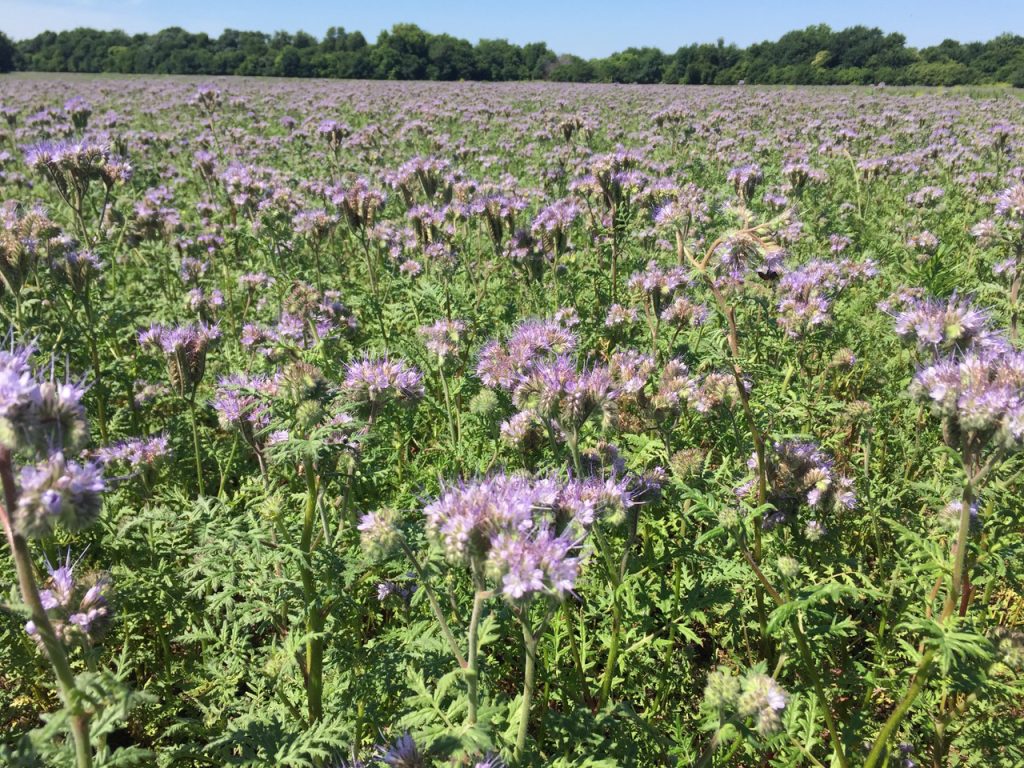
Apache Seed contracts five different varieties of cowpeas, three varieties of millet, mung beans, okra, forage wheat, soft wheat, oats, rye and triticale, among others. He has also grown hairy vetch, love grass seed, wildflower seed, clovers and alfalfa, on occasion, if there is a buyer for them.
Mindemann said from planting to harvest, the crops grown through Apache Seed have a growing season of anywhere from 50 to 110 days, depending on the crop. Many of these crops can be planted after wheat harvest and taken out of the field before the next wheat crop needs to be sown, making them a double crop option with high profit potential in a short time span.

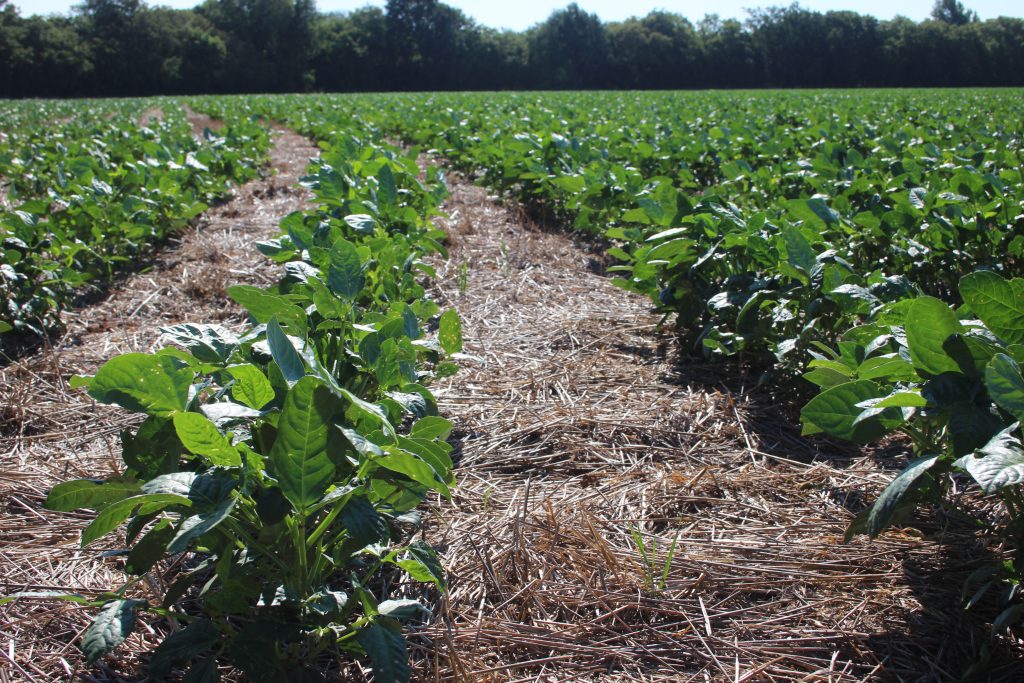
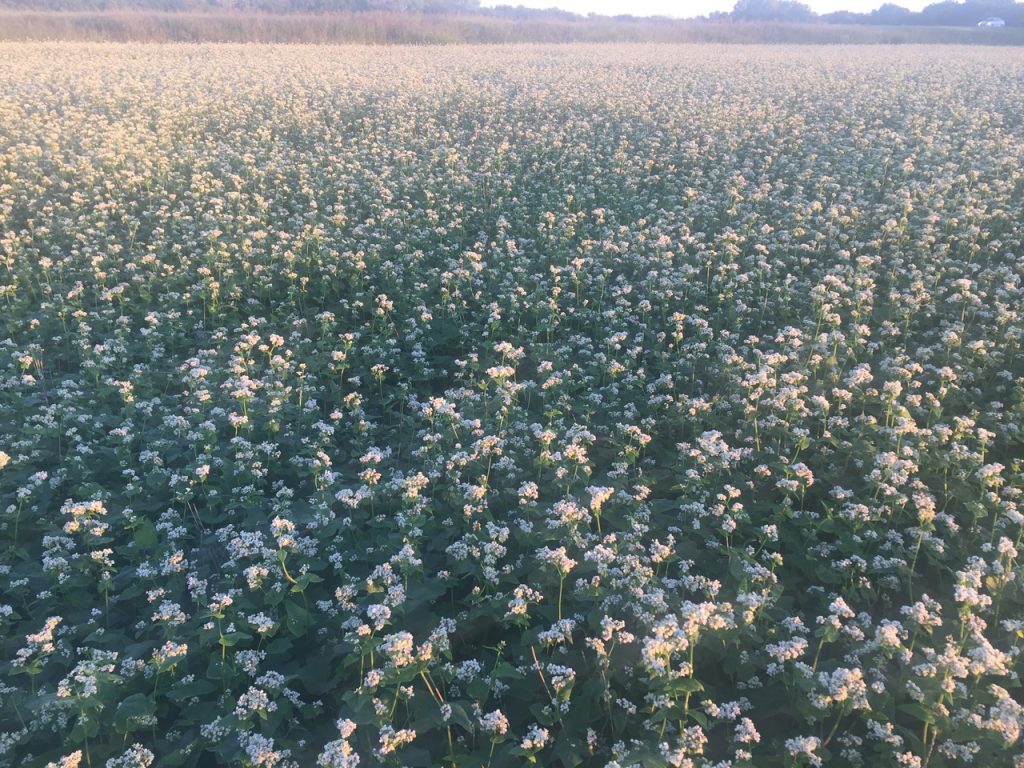
Mindemann said crops like mung beans and cowpeas adapt well to the High Plains environment because they can stand up to the brutal heat and can still yield a good crop with limited rainfall. In fact, Mindemann said Oklahoma used to be known as the mung bean capital of the United States.
He said other crops like cowpeas and sesame, have long been grown in the area, but planting slowed down for these specialty crops in the 1990s and early 2000s, and acres have never fully recovered. Part of that was due to higher commodity prices for other crops at the time and competition from other countries.
“When commodity prices are high, everybody wants to grow the easy things, and they just go to the elevator and get a check,” Mindemann said. “Now that commodity prices are in the dumper, the specialty crops are more competitive and pay more.”
Now, most of the older generation that knew how to grow these specialty crops have passed on and they are being grown at a lower level, but the opportunities for profit are encouraging for producers who are willing to grow them.
Competitive prices, soil health benefits
Specialty crops differ from traditional commodities because the price is set at the time the contract is drawn up between the producer and the seed dealer, and every crop has a final destination before it is even planted.
“It’s risky to grow these things without knowing where you are going to go with them,” Mindemann said. “It’s best to have a contract somewhere with a reputable company that you know will pay you. I’ve seen guys go out on their own and plant 1,000 acres of something, thinking they’re going to get rich and then they can’t sell it. With specialty seed, we grow what we know we can sell.”
An additional benefit to raising specialty crops is that almost all of them are paid for by the pound instead of the bushel.
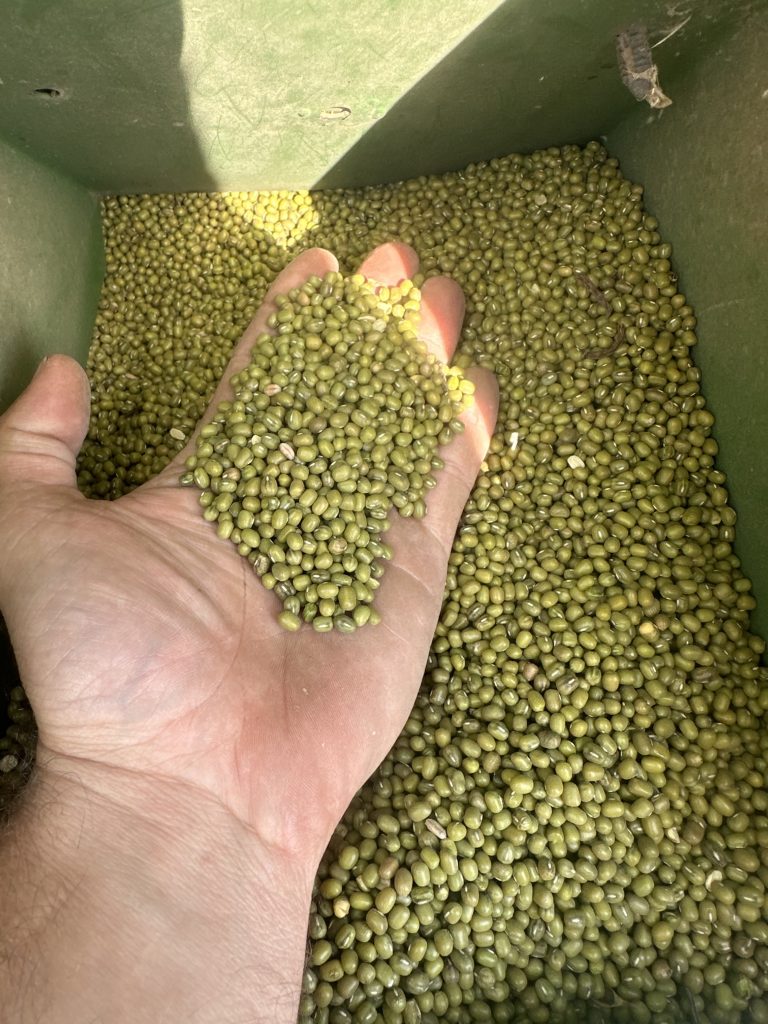
“When they price crops by the pound, generally, they’re worth a lot more per acre,” said Roy Pfaltzgraff, a regenerative farmer and specialty crop grower from Haxtun, Colorado. “Black-eyed peas are running 50 cents a pound right now, and that’s not bad. That’s $30 a bushel. That’s quite a bit better than what wheat is right now.”
Pfaltzgraff sees the value in growing specialty crops for multiple reasons. He is raising a diverse assortment of 11 crops on 2,000 acres of dryland in a no-till system. His entire farm is gluten-free, and he raises red and white grain sorghum, black-eyed peas, non-GMO corn, millet, oats, camelina, buckwheat, sunflowers, and sesame.
Pfaltzgraff and Mindemann both agreed these crops can improve soil health in multiple ways and provide nutrients to the soil. For instance, cowpeas and mung beans are legumes, which add extra nitrogen to the soil profile for the next crop.
“To me, the big value of these crops is how they can change your soils by adding diversity,” Pfaltzgraff said. “It really drives your soil health. Camelina is a brassica, and that’s the one thing we didn’t have in our rotation. When we started raising camelina, seeing how it changed the soils was really interesting to see.”
Pfaltzgraff said the crop improved the soil texture, organic matter, water retention and infiltration. Mindemann said incorporating specialty crops is also a good way to control weeds in small grain production.
“A lot of wheat farms have problems with feral rye or rye grass, and they need to be rotated out anyway,” Mindemann said. “It’s a perfect time to plant something behind that, make that second crop, and then not plant it back to wheat, so you can take a year to clean up the field.”
More profit=more management
Short season specialty crops might pay more per acre, but they also require extra maintenance, and some have a learning curve for farmers new to the crops.
“There’s no easy button to push,” Mindemann said. “It takes a little more management, but some producers don’t mind and those are the farmers we look for.”
He said it is crucial for contract growers to understand that these specialty crops are food products, not commodities, and they have to be treated that way. Mindemann said part of the reason these crops are worth more is that they are non-GMO, therefore they garner a premium within the market.

With the non-GMO requirement, farmers must use older herbicide chemistries to control weeds, which some producers are not used to working with.
“They’re basically old soybean chemistries, and they still work, but you’ve got to know how to use them.” Mindemann explained.
Apache Seed has moved away from buying herbicides locally and have become their own chemical supplier because they are dealing with unique crops and the herbicides they need are not always readily available.
“We basically keep a year’s supply on hand all the time and we don’t rely on anybody else,” he said.
One of the benefits of adding cowpeas or mung beans to an existing small grains operation is that for the most part, the equipment is the same, except for changes in combine settings or changing out concaves. However, Mindemann said harvest can still be difficult for some.
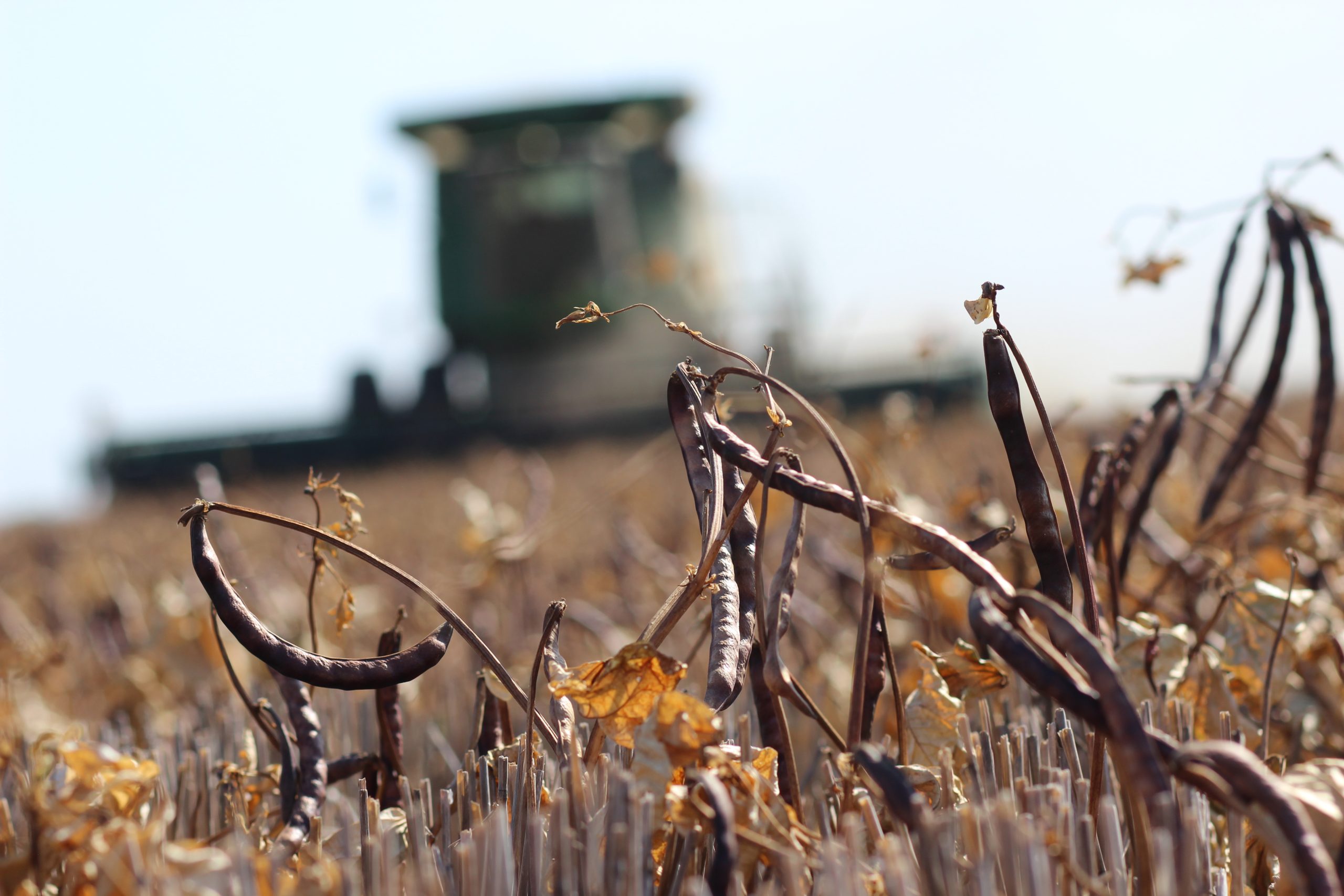
One example he gave of challenges of harvesting certain specialty crops is the risk of shattering pods, which is a common problem with cowpeas. Mindemann said producers get paid by the pound for their harvested crop, but only for the cowpeas that aren’t broken. To improve the end product of harvest, he recommends an extra step.
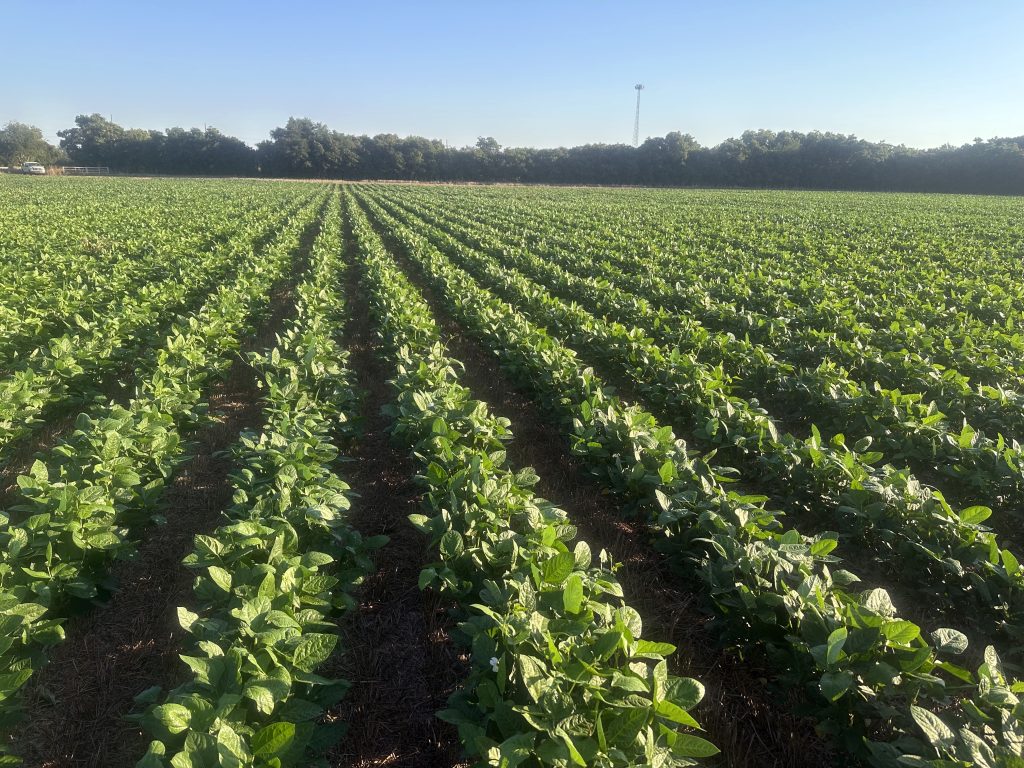
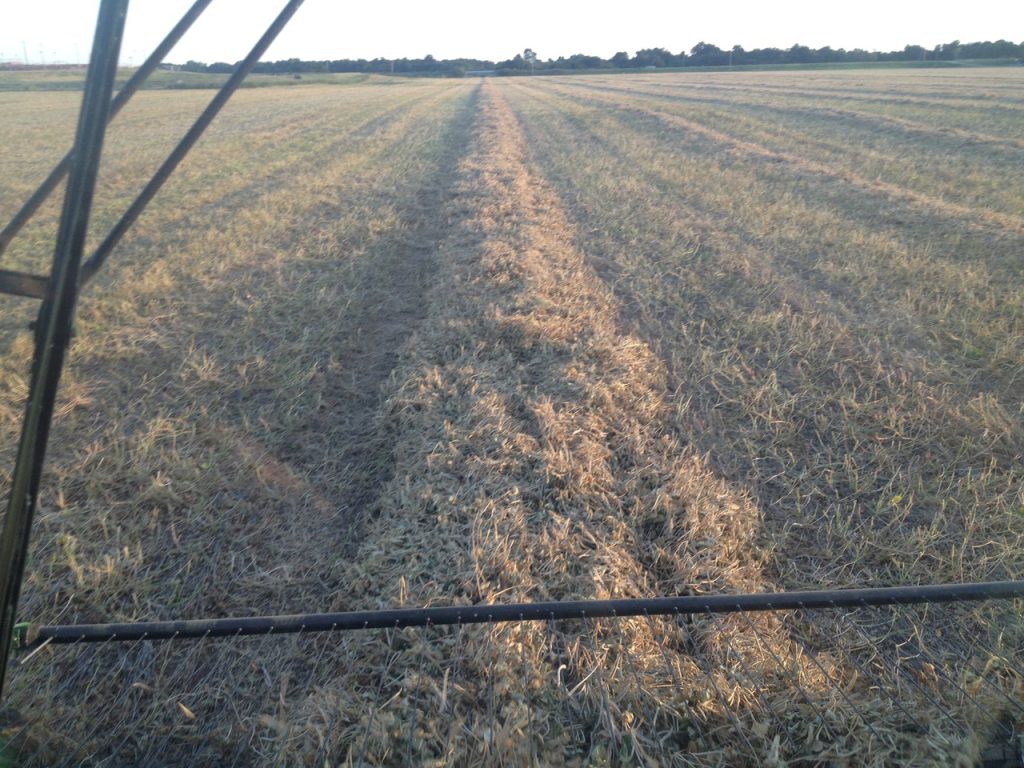
“Cowpeas, mung beans, and millets can benefit from being windrowed versus desiccated in place, then you pick them up with the combine after they are dried out,” he explained. “A lot of people don’t have that equipment, so it can still be desiccated in place and then harvested directly, but it’s a little more complicated and riskier with the weather.”
Additionally, Mindemann said seeds such as cowpeas need extra care at harvest because they cannot be sent through an auger, except for when they are coming out of the combine and into the truck. The pods are fragile and will break easily. Managing these details is part of the extra effort it takes to grow specialty seeds.
Reaping the rewards
Controlling weeds is another difficulty Mindemann noted for these crops.
“Resistant weeds require a little extra management, and you’ve got to pay attention to what’s going on, and not let the weeds get ahead of you,” he said. “Pigweed is our biggest problem, and it is resistant to multiple modes of action.”
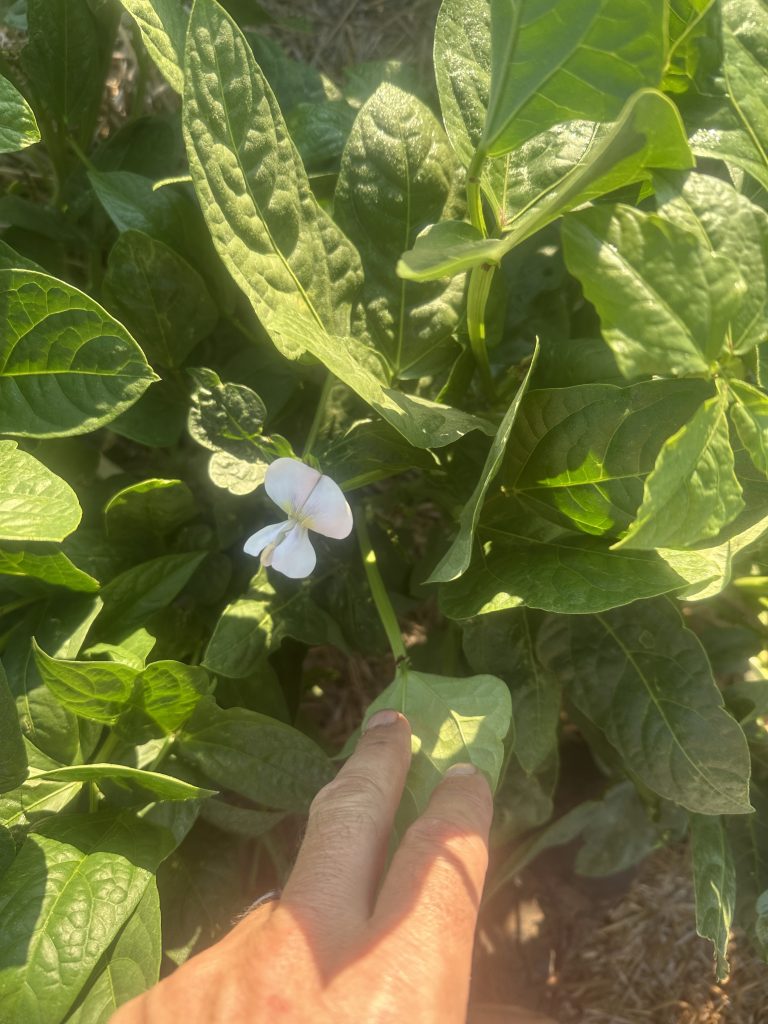
Mindemann said the producers he wants to work with know how to scout fields and manage their crops at a high level. They aren’t afraid of extra hours in the sprayer and are motivated to learn. He invests in their skill and meticulous nature when he enters into contracts with them, and everyone profits from the outcome.
“There’s all kinds of opportunities in agriculture to make lots of money,” Mindemann said. “It just takes work and sticking your neck out.”
For the detail-oriented producer willing to diversify and put in the extra effort to plant and harvest an additional crop for extra revenue, contract growing specialty seed is an attractive enterprise. Mindemann said these growers can be difficult to find, but they are out there and eager to contract acres and be rewarded for their efforts.
“It’s another tool in your toolbox to make money,” Mindemann said. “If all you know how to do is grow wheat and haul it to the elevator, you don’t have very many options. If you can get favorable weather and some rain, specialty crops are just something else that supports your farm.”
Lacey Vilhauer can be reached at 620-227-1871 or [email protected].



