Experts share tips for managing cattle as weather turns colder
The days are getting shorter, and temperatures are turning cooler. Livestock producers have likely already taken inventory on the hay in the barn and what their fall and winter feeding will look like.
University and Extension resources can be a good place to look when needing a fresh look at production practices.
Wet weather and mud
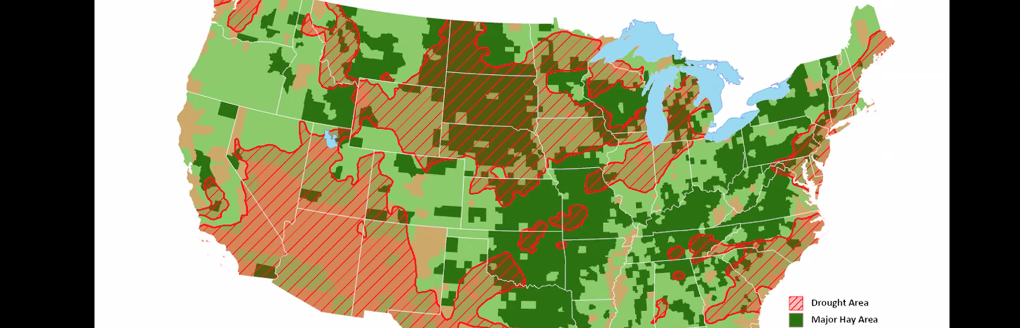
Some areas of the country have had wetter than normal years in 2025, and Colorado State University Extension has a peer-reviewed paper on how to manage cattle impacts when grazing on wet soils.
Soil type and structure play an important role in how successful a grazing season is and if the grazing practices hurt or help rangeland. Damage can occur when soil gets compacted, especially when soils are wet. Considerations need to be made when a precipitation event is significant enough to merit moving grazing animals off to prevent damage. Proper management of cattle, monitoring soil and having a plan can all help mitigate any negative impacts on soil.
According to the paper, “the structure of a soil is determined by the way sand, silt, and clay particles are held together in various shapes known as soil aggregates. A soil that has well-formed, stable aggregates will have large pore spaces that allow for air exchange, rapid infiltration of water, and deeply penetrating root systems.”
Trampling of soil by cattle breaks up the aggregates, causing compaction. Most pastures have some level of compaction, but it can be amplified when soils are wet. Heavy, clay soils are more prone to damage than sandier soils.
CSU said the rate of soil degradation depends on:
- soil type
- plant litter accumulation
- soil moisture
- stocking density
- grazing duration
“Multiple management strategies exist that can be used as tools to mitigate damage to soil when grazing. Their use is especially important when employing various grazing systems where animals are concentrated at high stock densities (e.g., short duration grazing, high intensity-low frequency grazing, management-intensive grazing (MiG), and mob grazing),” as stated in the paper.
When looking to manage trampling on wet soil, CSU research has shown mechanical compaction remedies—aeration, deep ripping, etc.—showed varied results with little success in irrigated perennial pasture systems.
“Without many remediation options for soil compaction besides time and natural processes, strategies to avoid or mitigate negative impacts should be a priority,” was stated in the paper.
The initial trampling has the most detrimental effect on soil properties and removing livestock from pastures during or shortly after heavy rainfall can help significantly reduce damage from trampling.
“One strategy is to move cattle to a designated sacrifice area, or to a pasture with sandy soil types where drainage is more rapid,” according to the paper.
Another strategy is to lower stocking density significantly by spreading cattle across a larger area to minimize impacts on a particular area. Moving animals frequently reduces excess time spent in one area and keeps cattle from pacing fence lines.
CSU said to be aware of several variables when making decisions to protect soil and pasture health while grazing. Variables include:
- Amount of recent precipitation and/or irrigation
- Temperature, wind, humidity and cloud cover
- Future weather conditions
With this in mind, along with a visual assessment of the tracks left behind by cattle and soil moisture levels, a couple of decisions need to be made.
Continue grazing as normal when there’s little to no visible tracks; moisture levels are below limits for your soil and weather conditions are favorable in the near-term. When tracks are less than an inch in depth, with soil moisture levels slightly above limits for soils and no precip in the forecast with drying weather, CSU recommends giving cattle double the amount of normal space to graze, moving a pasture with coarser textured soil, moving more frequently or moving to a sacrifice pasture.
When track levels are greater than or equal to an inch in depth and about 5% below field capacity or higher for soils, the forecast predicts continuing precipitation or inadequate drying conditions ranchers can take an assessment. According to CSU, “options include: Moving cattle to a sacrifice pasture (if forage supply becomes inadequate, consider feeding hay) or removing cattle from pasture and into a drylot (if this is an option).”
Livestock prep for winter
Texas Tech University is another trusted source for information regarding livestock care when the weather starts to turn cold. In a recent post TTU’s School of Veterinary Medicine shared tips about how to ready both animals and people for cold weather.
Jennifer Koziol, associate professor of food animal medicine and surgery at Texas Tech’s vet school, recognized how unpredictable winter can be in the Panhandle. The same goes for much of the High Plains.
“It is crucial for all livestock owners to be prepared for the eventualities,” Koziol said in a news release. “It’s not if but when will we have extreme cold temperatures in which our livestock will need shelter, increased energy in the source of feed and open water for drinking.”
For winter weather, the No. 1 tip is to have windbreaks or shelter for livestock. This helps reduce cold stress in cattle. Clint Roof, assistant professor at TTU School of Veterinary Medicine, said windbreaks can be the single most important factor to allow livestock to ride out severe winter weather.
“Wind chills will increase heat loss greatly by penetrating even thick winter coats,” Roof said in a news release. “Windbreaks aid in cutting that heat loss and allow the animals to use their energy more efficiently.”
If the ground is frozen, it is recommended to have lots of clean, dry bedding available in areas of shelter. This is especially important for those with breeding age bulls to help cut down on the risk of scrotal frostbite.
“Adding dry insulation, whether straw or other organic material, between the livestock and frozen ground can make a huge difference for those animals’ welfare and storm outcome,” Roof stated.
Second, pay attention to nutrition. An adequate stockpile of forage and energy sources to maintain livestock through the winter is crucial, especially as temps decrease metabolism rates will increase alongside nutrient demand.
Life stage, pregnancy stage, and body condition score can all be taken into account to determine nutritional requirements. A deficiency in energy and protein can lead to a loss of body condition during cold weather and can result in sick cattle. BCS below 5 is concerning, according to Koziol.
“Ideally, cows should be content and lying down for part of the day as this tells you that a cow’s needs are likely met,” she said.
Water is the third consideration, and a vital one. Producers should make sure water supplies and sources are ready for the cold. Experts say it is necessary for animals to have adequate water intake to make sure they mobilize the proper amount of nutrients.
“Water is the most important and often overlooked component of an animal’s nutrition,” Blaine Johnson, assistant professor for food animal medicine and surgery at the School of Veterinary Medicine, said in a news release. “Without clean and fresh water, cattle will end up decreasing their feed intake, perpetuating the problem of meeting their increased metabolic needs due to cold weather.
Water location is important too, and it’s recommended that a water source be in relation to common feeding areas and windbreaks is considered to ensure proper water intake. Frozen water is going to be a problem, too. TTU said to take advantage of fair-weather days to replace old, broken or worn-out parts on water tubs before they’re prone to break due to frozen water.
“Floating something in the water such as a rubber ball, an old soccer ball or basketball will keep the water from quickly freezing due to it constantly moving the water surface,” Roof said. “It can also give the animals a tool to break the ice if it does freeze over.”
For more information about localized information for your area, contact your local county Extension office.
Kylene Scott can be reached at 620-227-1804 or [email protected].