Diamond Bar Ranch recognized for stewardship with Nebraska Leopold Conservation Award
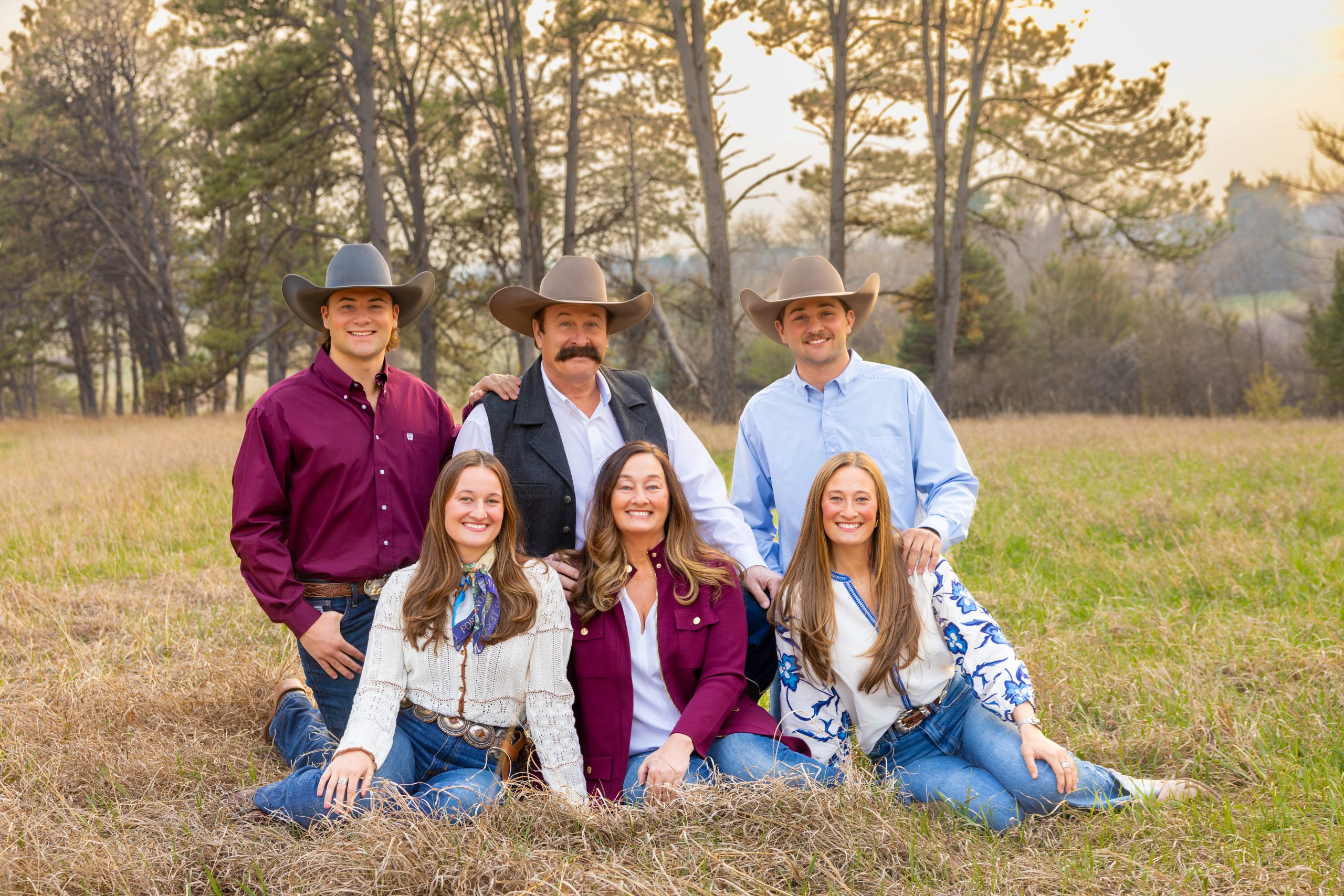
For the Jones family, stewardship isn’t something they take lightly. It’s a way of life.
“Ranching in the Sandhills means recognizing that the health of our cattle is directly tied to the health of our grass and water,” Natalie Jones said. “Our family’s philosophy has always been—take care of the ranch, and the ranch will take care of you. Everything we do stems from that mindset.”
The Diamond Bar Ranch near Stapleton, Nebraska, is owned by Natalie’s parents, Robert and Susanne Jones. The family won the Nebraska Leopold Conservation Award in 2025. Given by the Sand County Foundation, the award recognizes farmers, ranchers and forestland owners for their conservation successes and leadership. Their stories inspire other landowners across the nation to consider conservation opportunities on their land, according to the foundation’s website.
Robert and Susanne ranch with their grown children—Natalie, Shaylee, Grant and Lance, and according to Natalie, the Joneses have built their operation around responsible grazing, water stewardship, soil preservation, and wildlife habitat management. Natalie said the ranch has planted more than 31,000 trees and shrubs to reduce erosion and provide wildlife habitat, and the family continues to work on cedar tree removal to keep grasslands open.
“We rest about one-third of our pastures every year to allow the native grasses to regenerate,” Natalie said. “Conservation isn’t just about preserving land—it’s about ensuring that our family and future generations can continue to ranch here responsibly.”
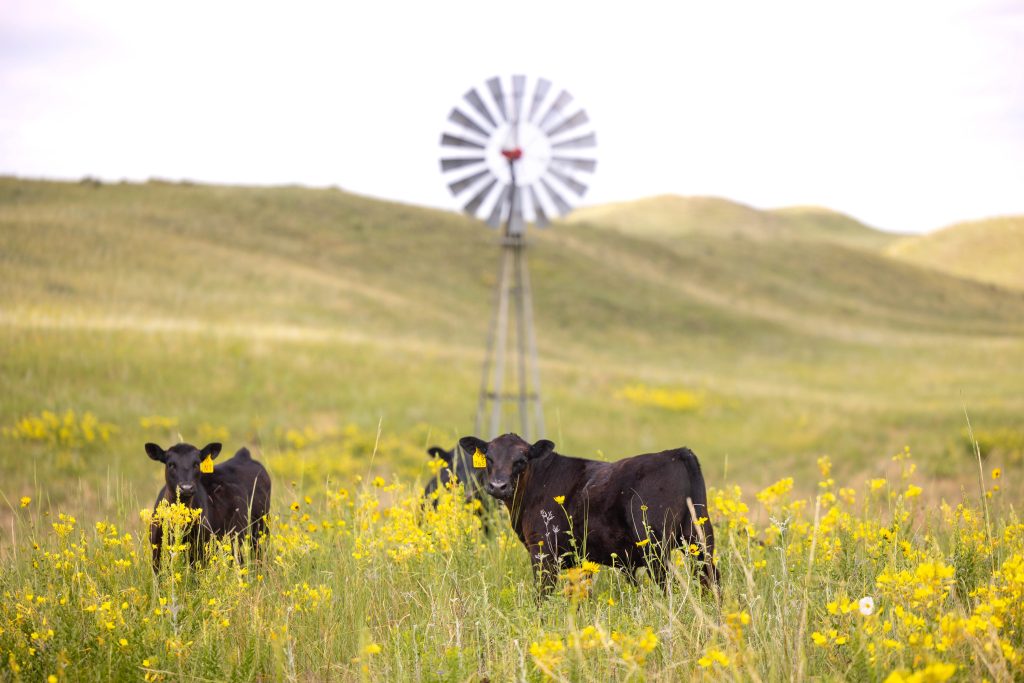
One of the last intact grassland ecosystems in North America and the largest sand dune formation in the Western Hemisphere, the Nebraska Sandhills was formed by glacial melt water carrying sand and silt from the Rocky Mountains. The Sandhills are defined by rolling grass-covered dunes, fragile soil and a delicate hydrological system. Prairie grasses stabilize nearly 20,000 square miles of sand dunes in western Nebraska.
This rangeland was never tilled on a large scale and makes ideal grazing for livestock when responsibly managed, and Natalie said the cattle respond well.
“Because the soils are so fragile, we rely on a rotational grazing system. We adjust our grazing plans every year based on rainfall, forage growth and soil conditions,” she said. “The ranch is cross fenced to help us rotate pastures efficiently, and we use horses instead of motorized vehicles to minimize soil disturbance.”
They work to keep their stocking rates at about 16 acres per cow-calf pair to help maintain balance between production and land health.
“This kind of flexibility is what makes Sandhills ranching sustainable,” Natalie said. “It’s about working with the land, not against it.”
Ranching in modern times is about as challenging as it sounds. Biodiverse landscapes in the Sandhills make it sometimes difficult to be the best kind of caretaker.
“Modern ranching isn’t just about raising cattle—it’s about managing ecosystems,” she said. “Consumers today care deeply about where their food comes from, and conservation plays a huge role in that story.”
Healthy grasslands sequester carbon, filter water, provide wildlife habitat, and support rural economies, according to Natalie.
“By managing our rangelands responsibly, we’re not only producing high-quality beef, we’re also protecting one of North America’s last intact grassland ecosystems,” she said. “Conservation-minded ranching proves that agriculture and the environment can coexist—and thrive together.”
Just as important as the grass is water in the Sandhills. The ranch sits over the Ogallala Aquifer, and Natalie said that’s a blessing, but it also comes with responsibility. They manage water carefully through 56 windmills, solar wells, and natural springs that distribute water evenly across the ranch.
“By keeping cattle moving and spreading grazing pressure, we prevent overuse near water sources,” she said. “We also maintain our wet meadows—these are incredibly valuable during dry years, providing both forage and wildlife habitat.”
Managing each aspect carefully ensures that moisture stays in the soil and ecosystems can stay balanced.
“Water is a shared resource here—for livestock, wildlife and people,” she said. “Conservation means protecting that balance every day.”
And for the Jones family, it has been a “tremendous honor” to win the award and be recognized as one of the families that go above and beyond in voluntary conservation. The process involves a detailed nomination, documentation of conservation practices and on-site evaluation, she said.
“What I appreciate most is that it celebrates the people who are quietly doing the right thing—those who don’t see conservation as an add-on, but as part of who they are,” she said. “For our family, receiving this award is not only a recognition of our efforts, but also a reminder of our responsibility to continue leading by example. It’s proof that caring for the land is both the right thing to do and the best business decision we can make.”
For more information about the Nebraska Leopold Conservation award, visit https://sandcountyfoundation.org/.
Kylene Scott can be reached at 620-227-1804 or [email protected].