Equine Herpesvirus Type 1 detected at Texas barrel racing event
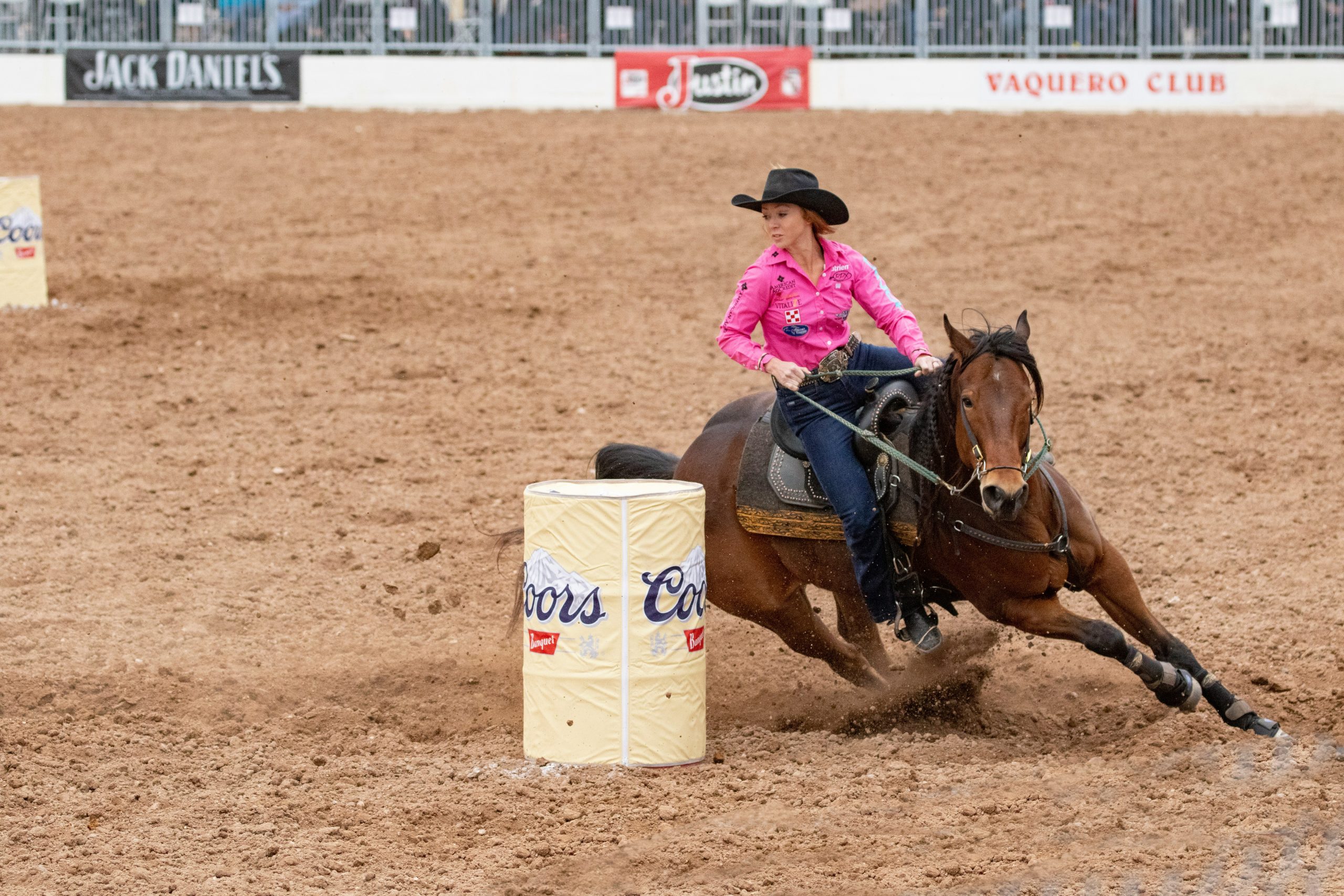
Texas Commissioner of Agriculture Sid Miller has confirmed the presence of Equine Herpesvirus Type 1 at the World Championship Barrel Racing Finals in Waco, Texas, Nov. 5 to 9. The Texas Department of Agriculture has urged horse owners, trainers and venue operators who attended the event to take precautions and monitor their livestock over the next 14 days to keep the virus from spreading across the Texas and other states.
EHV-1 is a virus that spreads quickly and can be transmitted through nose-to-nose contact. Infected animals can also spread the virus by sneezing or coughing. Additionally, the virus can also be transmitted through shared tack and equipment.
Symptoms include fever, nasal discharge, coughing, depression, lethargy, neurological signs like stumbling or incoordination, loss of tail tone, hind-limb weakness, head tilt, recumbency, and abortions in pregnant mares.
“This virus can spread fast, it can be deadly, and the earliest signs are often so subtle they’re easy to miss,” Miller said. “That’s why monitoring your horses right now is critical. The quicker we identify a potential case, the better chance we have to protect not only our animals, but the entire Texas equine community.”
TDA recommends isolation of any horse that attended the Waco event for at least 14 days from other equines, or until cleared by a veterinarian. Suspension of hauling, showing or mixing horses from the exposure group should be the protocol until further notice. TDA also discourages taking exposed horses to other barns or events.
TDA advised horse owners to use a viricidal disinfectant to cleanse trailers, wash-racks, cross-ties, tie-areas, tack rooms, buckets, grooming tools, and any shared equipment. Avoid sharing tack, halters, grooming equipment, buckets, and water hoses between exposed and unexposed horses.
Monitor temperatures twice daily for all exposed horses and report any fever above 101.5 degrees Fahrenheit or other signs to a veterinarian immediately. If any horse exhibits neurologic signs, coughing, or nasal discharge, isolate it immediately, wear protective gear, and call a veterinarian.
“I’m asking every local horse rider, roper, trainer, and breeder to do their part today,” Miller said. “Check your horses twice a day, isolate any exposed animals, tighten up your biosecurity, and call your vet the moment something looks off. If we work together and take this seriously, we can get ahead of this outbreak and keep our horses and our state’s $12.3 billion equine industry safe.”
Lacey Vilhauer can be reached at 620-227-1871 or [email protected].
PHOTO: (Dulcey Lima via Unsplash.)