EHV/EHM has led to cancellation for Kansas event
The equine herpes myeloencophalopathy has led organizations to cancel one event in the Sunflower State.
The Prairie Circuit Finals Rodeo, scheduled for Nov. 19 to 22, at the Kansas State Arena in Mulvane, was canceled as a precautionary move.
The Professional Rodeo Cowboys Association is actively monitoring the outbreaks of equine herpesvirus and continued management of equine infectious anemia. State and industry officials have issued alerts and recommendations for enhanced biosecurity and monitoring.
The PRCA, the San Antonio Stock Show & Rodeo and the Women’s Professional Rodeo Association are following the recommended guidelines of the Texas Animal Health Commission and have made the decision to cancel the Uvalde Rodeo Qualifier, Nov. 19 to 22.
A related story by Lacey Vilhauer appears at https://hpj.com/2025/11/19/equine-herpesvirus-type-1-detected-at-texas-barrel-racing-event/
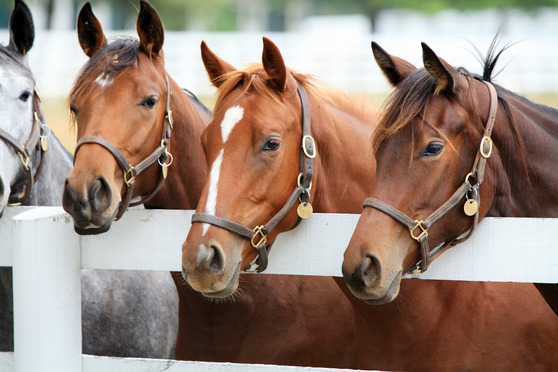
Agriculture departments from neighboring states including Kansas, Oklahoma, Missouri, Arkansas, and New Mexico are asking horse owners to closely monitor their animals and if they had animals that attended events where cases were suspected to isolate those horses for 14 days. (The photo of the thoroughbred racehorses is courtesy of the Missouri Department of Agriculture.)
EHM is a neurological disease of horses, according to the Kansas Department of Agriculture.
The virus causes respiratory and reproductive disorders. It is unknown what causes some horses to develop the neurological form of disease. Clinical signs can include fever, nasal discharge, hindquarter weakness, incoordination and urine dribbling. There is no specific treatment for EHM besides supportive care. It is currently unknown if vaccination against EHV-1 helps to prevent EHM.
“Missouri owners or trainers of horses at either of these events should closely monitor their horses for at least 14 days from last exposure, monitor temperature twice daily and isolate them from other horses” said Missouri State Veterinarian Steve Strubberg, DVM. “EHV-1 is highly contagious in equine and can spread very quickly.”
EHV-1 is spread directly through nose-to-nose contact, and infected animals can release particles when they cough or sneeze. Indirect transmission is also possible through shared water or feed buckets, tack, and travel in the same trailer.