Give thanks for lower costs while farmers toughing it out
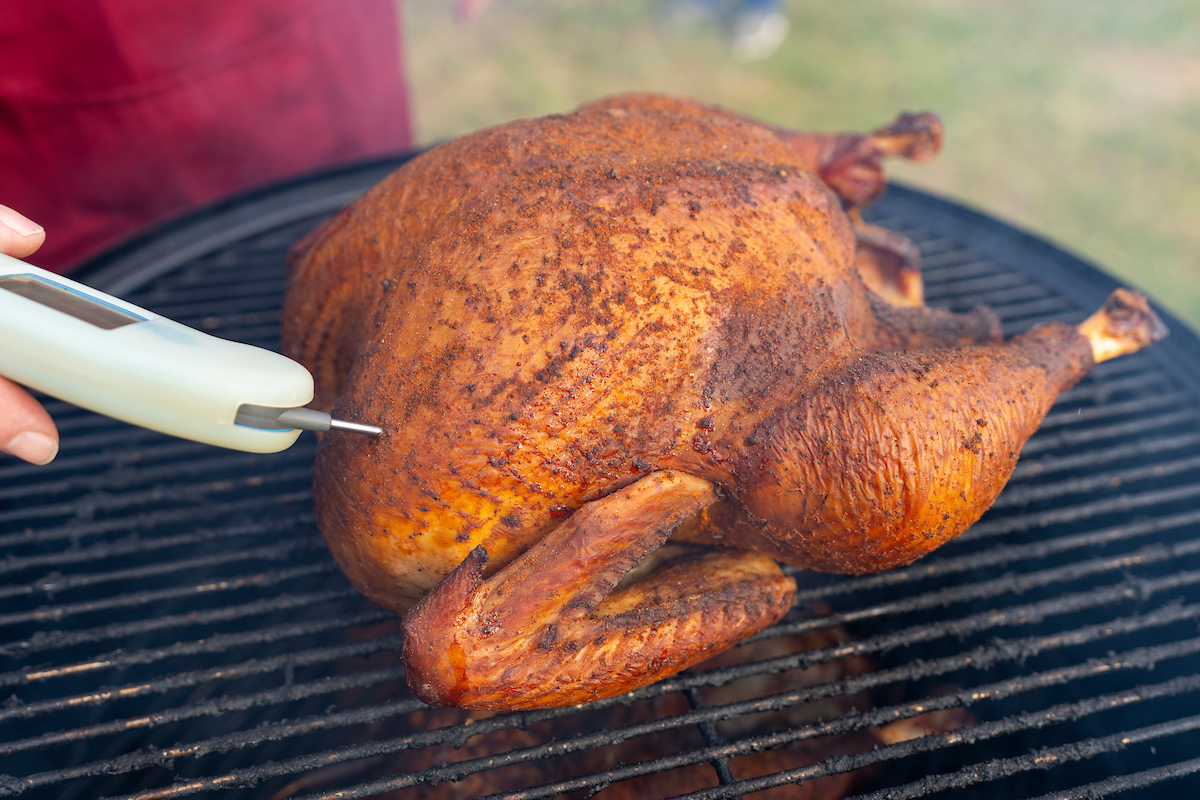
This Thanksgiving, Americans can give thanks, among other things, for the lower cost of this year’s Thanksgiving meal. According to the American Farm Bureau Federation, it is down for the third straight year.
The AFBF’s 40th annual Thanksgiving dinner survey, released Nov. 19, calculated the average cost of Thanksgiving staples that make up a classic holiday feast for 10 at $55.18 or about $5.52 per person. The shopping list for Farm Bureau’s informal survey included turkey, stuffing, sweet potatoes, rolls, peas, cranberries, a veggie tray, and pumpkin pie with whipped cream, all in quantities sufficient for 10 servings. The total cost reflected a 5% decrease from 2024. The AFBF added, though, that “Three years of declines don’t fully erase dramatic increases that led to a record-high cost of $64.05 in 2022.”
One of the factors boosting costs in recent years, obviously, has been the effects of avian influenza, which remains an ongoing challenge (see accompanying story this issue).
Yet the larger story for turkey farmers may be the overall decline in demand for turkey outside of the holiday season.
“It’s encouraging to see some relief in the price of turkeys, as it is typically the most expensive part of the meal,” said AFBF Economist Faith Parum, Ph.D. “Farmers are still working to rebuild turkey flocks that were devastated by avian influenza, but overall demand has also fallen. The combination will help ensure turkey will remain an affordable option for families celebrating Thanksgiving.”
According to the Economic Research Service of the U.S. Department of Agriculture, per capita consumption of turkey meat fell by 13% between 2019 and 2024. Between the 1970s and 1990s, turkey was promoted heavily as a healthy protein alternative.
The National Turkey Federation continues to promote turkey as a year-round versatile protein, but the reality is that turkey is losing ground with consumers compared to cheaper chicken. Demand for sliced lunch meat, once a major driver of turkey demand, has shrunk along with deli meats in general, as Gen Z pivots toward fresher lunch options and away from processed meats. Turkey is more expensive to raise than chicken and takes longer to mature.
Turkey remains popular for the holidays, though, especially Thanksgiving. The NTF reports that 94% of Americans plan to celebrate Thanksgiving this year, 87% of those who celebrate say turkey is part of their holiday meal most years, and 74% plan to serve a whole bird.
“Thanksgiving brings people together in a way that few traditions can, and turkey is always at the center of that celebration. Whether you’re hosting a crowd or cooking your first bird, America’s turkey industry is proud to help make those special moments possible,” said Leslee Oden, president and CEO of the NTF.
“We are blessed to live in a country that is capable of producing such an abundant food supply, and for that we should be thankful,” said AFBF President Zippy Duvall. “Despite modest declines in the cost of a Thanksgiving meal, I know food prices are a real concern for many families, including in rural America. We lost 15,000 farms last year because of factors including historically low crop prices, high supply costs and trade uncertainty, which continue to squeeze farmers and ranchers. Every farm lost is another step toward consolidation and reliance on other countries for our food.
“We urge Congress to address the challenging economic conditions facing farmers to ensure farm families can continue growing the food we all rely on, not just on Thanksgiving, but every day of the year.”
David Murray can be reached at [email protected].