Leasing farmland and grain bin facilities can be mutually beneficial when renters respect both the land and the agreement. However, when a renter fails to meet their obligations, whether through late payments, poor farming practices, or neglect of grain storage facilities, the land lessee must act promptly and lawfully to protect their investment.
Identify Problems Early
In agricultural leases, problems often show up in specific ways: failure to follow conservation practices, damage to fencing, improper chemical use, leaving grain or debris in bins, neglecting bin maintenance, or using bins beyond the lease term. Ignoring these issues can result in soil degradation, equipment damage, safety hazards, and lost income.
Document Everything
When dealing with farmland or grain bin renters, it is essential to document everything. Maintain copies of the lease, payment records, inspection reports, and written communication. Take dated photographs of field conditions, grain bin interiors, structural damage, leftover grain, or abandoned grain bags. Detailed documentation establishes factual record and protects the land lessee if termination or legal action becomes necessary.
Follow Your Lease Terms Exactly
Your lease agreement is your primary safeguard. Review the farmland and grain bin provisions carefully, including rent schedules, maintenance responsibilities, access rights, and end-of-term obligations. If your lease includes grazing pasture, you will need to check with your grazing association, and the leaser will need to follow those rules and guidelines as well. Even if the renter is clearly at fault, failing to follow notice requirements or timelines outlined in the lease can weaken your position and delay removal.
Have a Rightful Termination Clause
Every farmland and grain bin lease should have a rightful termination clause. This clause should clearly state the conditions under which the lease may be ended, such as nonpayment, misuse of the land, failure to maintain grain bins, safety violations, or abandonment of grain or equipment. A clear termination clause provides a lawful path to remove a bad renter and avoids disputes over whether termination is justified.
Communicate Issues Cleary and in Writing
When violations occur, notify the renter in writing. Reference the specific lease provisions that have been violated, describe the issue clearly, and provide a deadline to correct the problem if the lease allows a cure period. Written communication shows professionalism and often prompts compliance before the situation worsens.
Get a Lawyer Involved if Needed
If a renter refuses to correct violations, disputes responsibility, or leaves grain bins in unsafe or unsanitary condition, it may be time to get a lawyer involved. An attorney familiar with agricultural leases can ensure notices are legally sound, guide termination procedures, and help recover damages or unpaid rent if necessary. In many cases, a formal legal notice resolves the issue quickly.
Protect the Land, the Bins, and the Future
Farmland and grain bins are long-term assets that require responsible stewardship. Allowing a bad renter to continue can cause lasting damage that affects future productivity and value. By documenting everything, following your lease terms, ensuring you have a rightful termination clause, and involving legal counsel when needed, land lessees can protect their property and maintain control over their operation.
Good agricultural renters understand that caring for the land and facilities is part of the agreement. When that responsibility is ignored, firm and lawful action is not just justified – it is necessary.
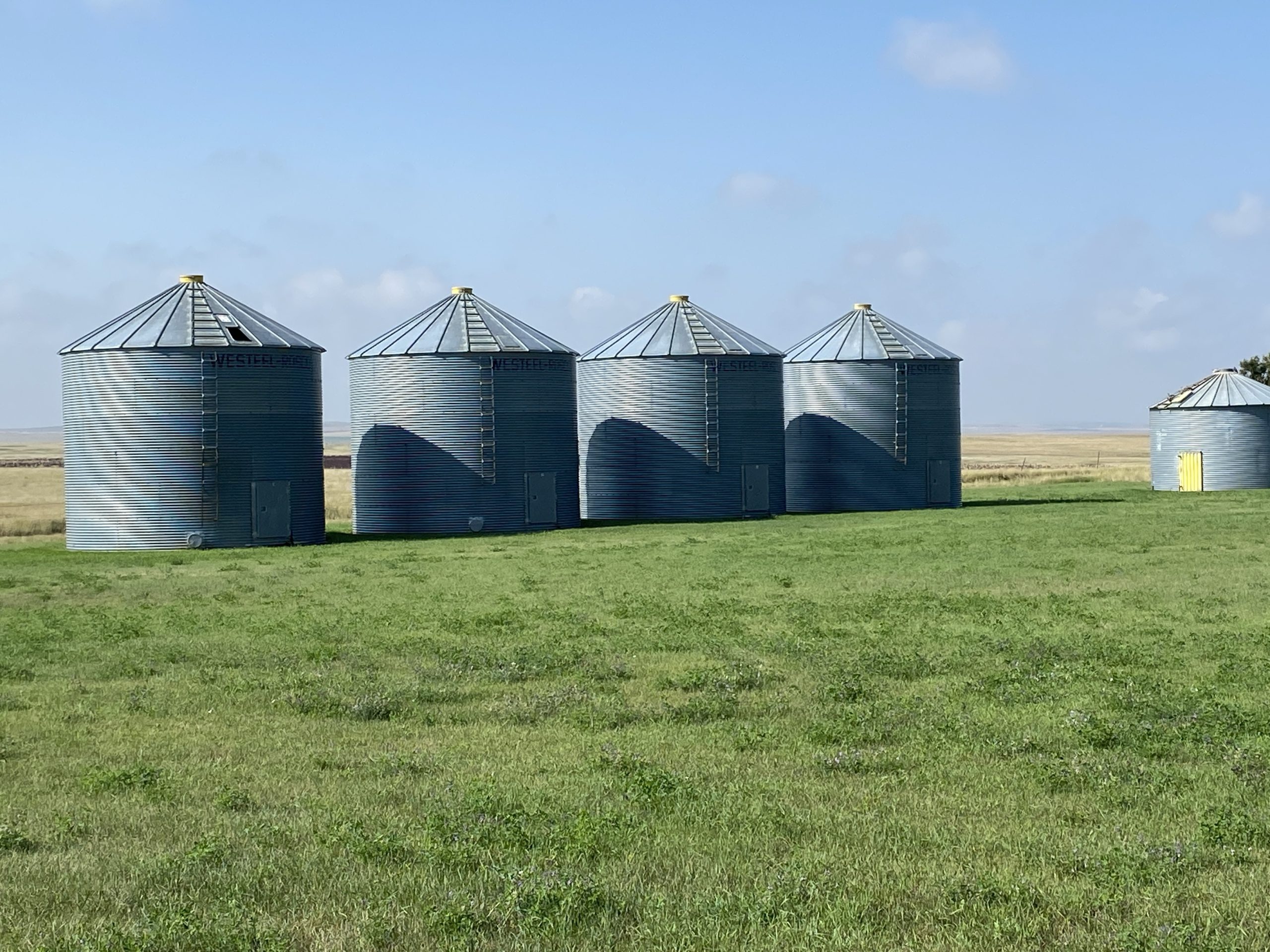
PHOTO: Storage silos (Alissa Weece)
Related coverage and resources
- Related on HPJ: Negotiating farmland rent
- Related on HPJ: Turning acres into opportunity
- Outside resource: USDA National Institute of Food and Agriculture