Speer shares optimism about beef industry at KLA Convention
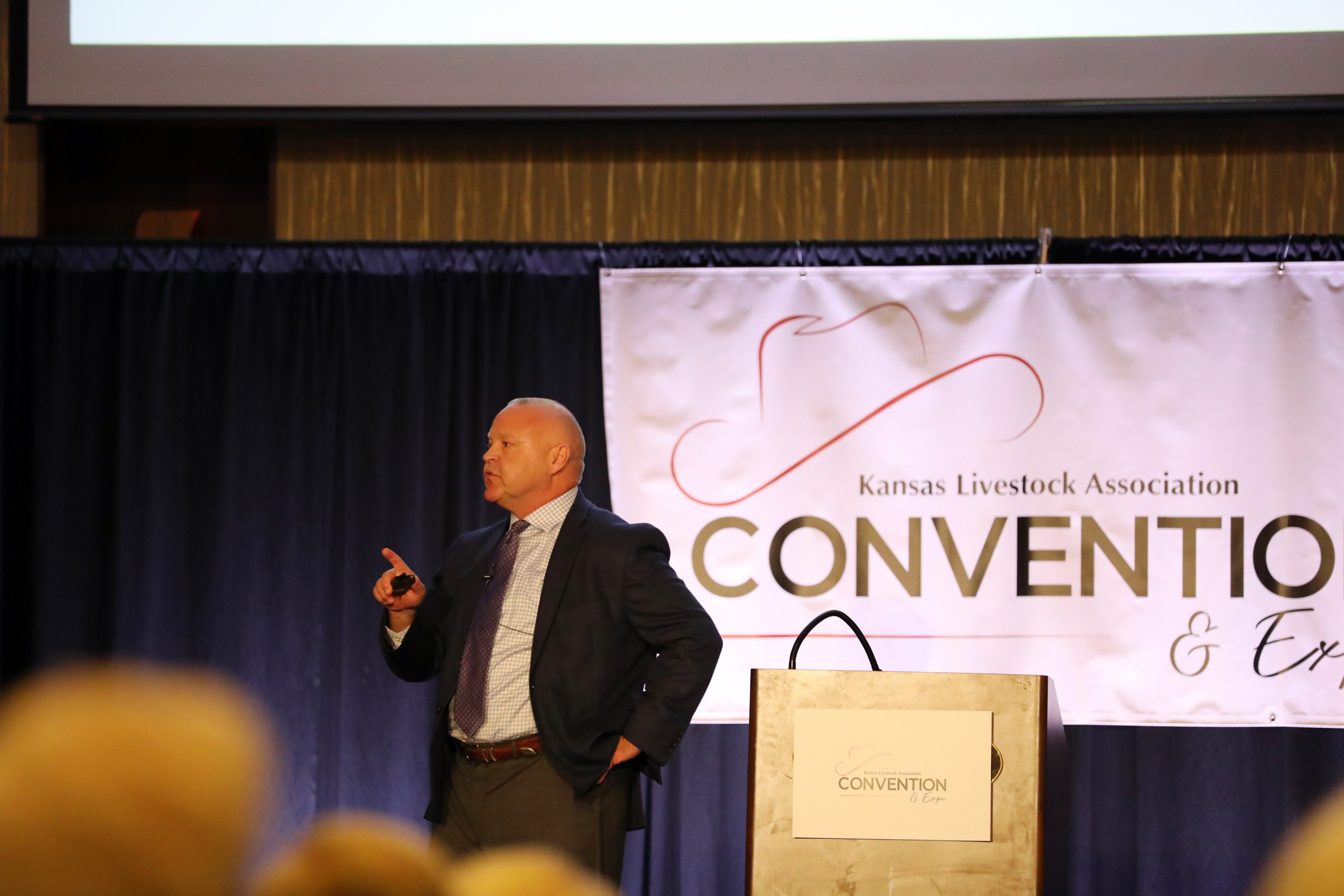
It’s been about 20 years since Nevil Speer spoke at the Kansas Livestock Association convention. Much has changed in the cattle business during that time.
Speer is an industry consultant based out of Bowling Green, Kentucky, in addition to being a regular contributor to Feedstuffs and BEEF magazines. He was the keynote speaker during the Cattlemen’s Banquet Nov. 19 in Manhattan.
“It was kind of timely to come back and look at historically, what happened to our business,” he said. “And then where we are today, and how different it is during the last five years versus 1980 and 1990.”
The beef industry is a hard one to turn around, but Speer believes “we’ve done it.”
“It’s really because we finally started to focus on consumers and do something about quality and get serious about it,” he said. “And we’re getting the benefit of all of that today as an industry.”
Despite all the “noise” in the business that’s happened in the last eight or 10 weeks around beef prices, Speer believes things are going OK.
“Part of that is being driven by politics, but it’s not because we have a shortage of beef,” Speer said. “We keep talking about that, but no, it is demand driven, and we continue to see signs in terms of the data.”
Anecdotally, Speer said when you ask consumers what they want—many are trading up to quality.
“They’re willing to sacrifice something else,” he said. “They like beef.”
A good steak dinner 20 years ago wasn’t common. The quality and consistency in the steak back then just wasn’t there. Consumers recognize how good they have it now.
For more beef to be available to consumers, the cowherd has to expand. Speer said that’s one of his favorite subjects to discuss. He believes there’s two parts to it.
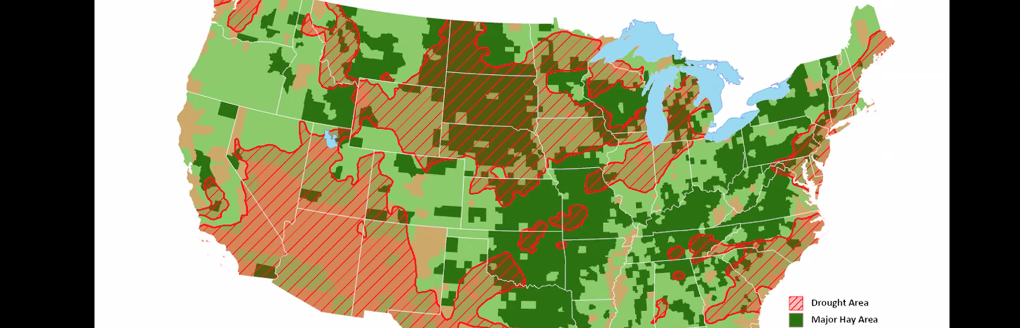
“First of all, we keep hearing lots of noise about everything that’s broken with the market or the business, and this is why cows have sold off,” he said. “Eleven of the last 20 years we’ve been in pretty severe drought and ultimately people make decisions based on that pretty quickly.”
Often, they’re out of hay or out of water and decide they need to reduce numbers and sell some cows. But Speer also recognizes there are many other reasons why people sell cows too.
“Is it a divorce? Is it death? Is it a call on a loan that we can’t keep up with? Is it a change in jobs?” he said, adding there are many people who work off the farm. “It’s pretty complicated versus just saying, ‘Oh, the business is broken, and this is the sign.’”
The second part of it for Speer is the data. Slaughter data from September and October is just now coming out because of the federal government shutdown. But if you look back at what’s happened throughout 2025, especially the last two months, beef cow slaughter has slowed down compared to a year ago.
“We’re on our way toward some expansion,” he said. “Now is that going to be half a percent? One percent? We’ll see. A lot of that depends on what happens in the next two months, obviously. But yes, we’re on our way, and there’s optimism out there.”
For those producing the calves that will help increase herd numbers one day, Speer encouraged them to find what works best for them.
“If you’re not a big producer, then you’ve got to say, ‘OK, I’m either going to choose independence, and I know I’m giving up marketing power, or I’m going to leverage and we’re going to start working together with some neighbors or somebody, and we’re going to work together and do some marketing.’”
Working with others can be challenging at times, and it’s never going to be perfect, Speer said, but that’s the tradeoff.
“That has to happen. You can’t eat your cake and have it too,” he said. “And so, that’s always a challenge. But there are opportunities, and there’s always opportunity, more and more all the time, to market into some kind of value-added program, and feed yards are hungry for cattle.”
Speer said there’s been so much improvement in the free market, and people want to talk about America first. To him, the market improvement is because of innovation and attitude shift that has happened in this country.
“The other thing I would say is to kind of button it up is, if you look at everything that’s happening, all the foundation we built, this is the time to be bullish on the business,” he said. “Yes, we’re going to have market ups and downs, and you can’t be complacent about that. But in terms of the long run view of the business, yeah, I’m pretty bullish on it.”
Kylene Scott can be reached at 620-227-1804 or [email protected].