Tyson plant closing will impact Nebraska ranchers
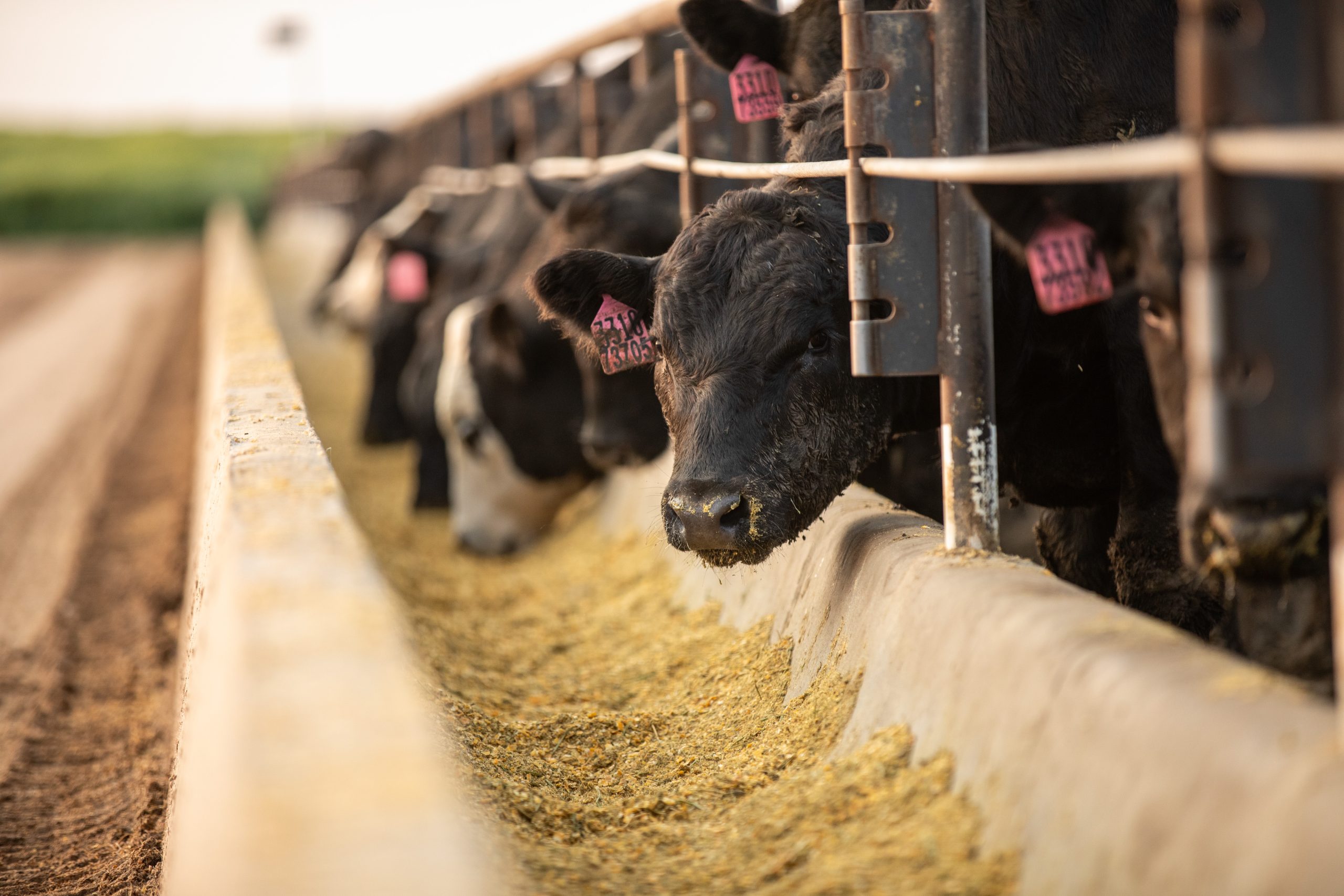
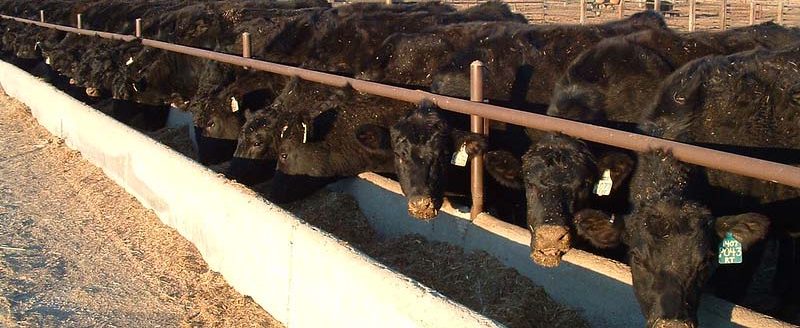
A feedlot operator in Nebraska said the closing of Tyson’s Lexington meatpacking plant will mean higher transportation costs as he and others will realign their destination routes.
Craig Uden is a producer and owner of the Darr Feedlot Inc., a 48,000-head capacity facility in Dawson County, said the November decision put feeders in a position to look at all options. He is the president-elect of the Nebraska Cattleman’s board of directors. Uden was a panelist on a recent University of Nebraska webinar that addressed Tyson’s decision to close the 5,000-head-a-day processing plant and streamline an operation at a sister plant in Amarillo, Texas.
Because of under-utilization of processing capacity the past couple of years, cattle producers in general were concerned about the possible loss of a plant in the United States.
Uden said Darr Feedlot uses a grid to market cattle and it will continue to do so.
“It’s been a challenge to figure out how we’re going to deal with the freight,” Uden said. “We think we can make up part of our lost revenue by increasing the premium we may get back on some grids.”
His operation has been contacted by all four of the major meatpacking companies and he has also stayed in contact with regional processors.
“We will target our cattle that fits the needs of what those other plants want to process,” Uden said. “I worry about some of my smaller producers that have become very comfortable with marketing right here at this (Lexington) location, because they do not have the same relationship with some of these other majors.”
It could create a business opportunity or partnering arrangement with some of the smaller feeders who could grow them at home and feed them with Darr, he said, adding or assisting them with their marketing plans.
“I think we’re going to meet those challenges,” Uden said. “I think we’re going to probably be figuring out within the next six months.
Closing impact on market
The Lexington plant will continue to process animals until Jan. 20, and that lead time does help Uden and other feeders to find other processing facilities.
Elliot Dennis, associate professor in agricultural economics and a meat and livestock economist who focuses on markets, price analysis and risk management at Nebraska, said producers have asked him if the closure was similar to what happened when Tyson had a fire at its Holcomb, Kansas, plant in 2019 and there were concerns at first it might permanently close. Tyson, though, rebuilt the plant.
“With the Holcomb, Kansas, closure, we woke up one day and we didn’t have 5,000 (head-a-day) capacity and then for a month we were uncertain (whether) we are even going to get that capacity back,” Dennis said. “Markets were trying to sort themselves out.”
What is different today is the underlying supply reduction due to reduced feeder cattle availability, he said.
He agreed with Uden other plants that were shipping or had agreements to ship to Lexington or use them as their cash bidder they are now trying to sort through the process over the next several months.
Number crunch
Jake Smith, an assistant professor in agricultural economics at UNL, said the reduction in capacity by both Tyson plants could translate into a 60 cents per hundredweight drop in the feeder market and in Nebraska it could reach 90 cents a hundredweight.
Plants nationwide are running at about 80% to 83% capacity, which is much different than even several years ago, he said, a reflection of fewer cattle to process.
Smith’s research examines how policies, technology and market structures affect economic and environmental outcomes. Smith noted that producers in the High Plains still have options. The meatpacking industry is concentrated and complicated because the four major companies also operate multiple plants.
Dennis said a small cattle herd in recent years as noted by the U.S. Department of Agriculture’s cattle inventory is part of the equation.
“That doesn’t change the underlying fundamentals in the market,” Dennis said. “We are still short cattle. Now we don’t have as much capacity as Jake was saying, so that’s going to affect some of the pricing. But it’s still going to take us several years to build back the herd and the question is, how you know at what level do we build back to?”
Tough news to receive
Laura Field, executive vice president of Nebraska Cattlemen, called the November decision difficult one.
“This certainly was a surprising and really disappointing announcement for us as a group that represents all sectors of the industry,” Field said.
The industry plus local, state and federal agencies are working together to help find solutions for Lexington and the surrounding area, she said.
“We continue to believe, and we know there’s not a better place to economically raise beef and cattle than in Nebraska,” Field said.
“We know this closure will take about 15% of Nebraska’s steer and heifer slaughter offline,” Field said. “Those numbers are real. We know that that’s going to have an impact. It’s in a significant cattle-feeding region of the state and we know there’s expansion of feedlot capacity happening at the same time as the closure.”
Dave Bergmeier can be reached at 620-227-1822 or dbergmeier at hpj.com.