
Trump’s idea to import Argentina beef panned by industry
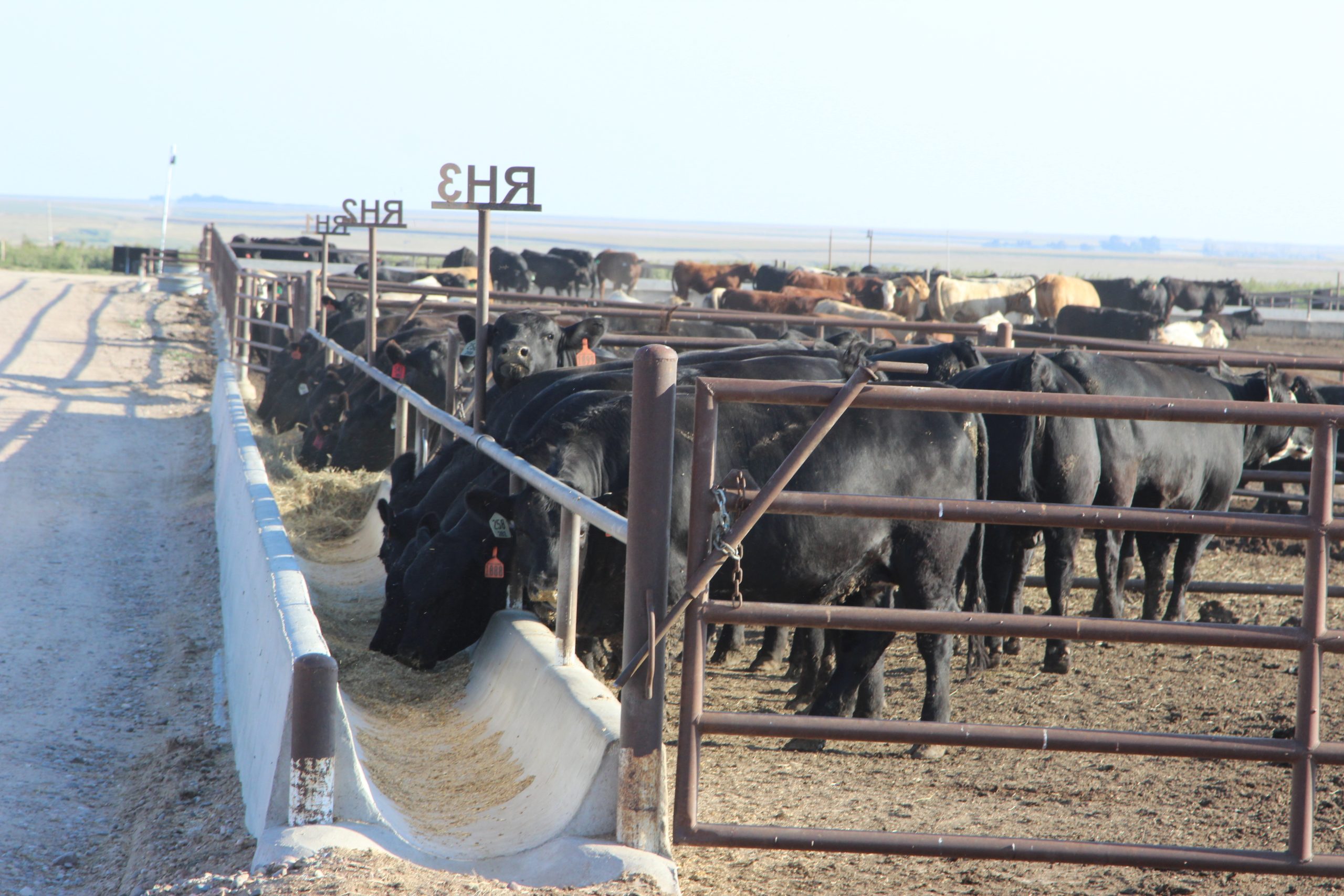
President Donald Trump’s comment that followed his plan to let more Argentina beef into the United States took many cattle producers off guard.
His posted comment Oct. 22 on Truth Social read, “The Cattle Ranchers, who I love, don’t understand that the only reason they are doing so well, for the first time in decades, is because I put Tariffs on cattle coming into the United States, including a 50% Tariff on Brazil. If it weren’t for me, they would be doing just as they’ve done for the past 20 years–Terrible! It would be nice if they would understand that, but they also have to get their prices down, because the consumer is a very big factor in my thinking, also!”
One expert said the livestock chain is a complex enterprise.
“When I consider the likely imported volume, possible changes in imports from other countries and probable duration of increased Argentina-based imports collectively I expect very little change in national beef or cattle prices to follow,” said Glynn Tonsor, professor in the department of agricultural economics at Kansas State University.
He said there is a role for both imports and exports in the U.S. beef cattle industry. The mix of products involved along with varied consumer preferences and production comparative advantages globally combine to add net value. Tonsor said import volumes have been increasing before the most recent announcement in October.

The majority of economic reasons underpinning higher cattle prices and profitability margins in 2025 stem from a host of associated market fundamentals that have their origination years and even decades ago, he said.
“This would include elevated beef demand reflecting industry efforts to increase cattle quality and align production with consumer signals—a massive net success story for the industry over the past couple of decades,” Tonsor said.
Industry reaction
It didn’t take long for the livestock industry to react to Trump’s plan of action.
National Cattlemen’s Beef Association in a news release, also dated Oct. 22, said Trump’s plan about the need to increase imports of Argentina beef was a misguided effort to lower the price of beef in grocery stores. Efforts to manipulate markets only risk damaging the livelihoods of American cattlemen and women, while doing little to impact the price consumers are paying at the grocery store.
“The National Cattlemen’s Beef Association and its members cannot stand behind the president while he undercuts the future of family farmers and ranchers by importing Argentinian beef in an attempt to influence prices,” said NCBA CEO Colin Woodall. “It is imperative that President Trump and Secretary of Agriculture Brooke Rollins let the cattle markets work.”
The U.S. already faces a deep trade imbalance with Argentina, one that is made worse by the president’s plan, Woodall said. During the past five years, Argentina has shipped beef valued at more than $800 million to the U.S., while purchasing only $7 million of U.S. beef. Argentina is a nation with a long history of foot-and-mouth disease, and the U.S. Department of Agriculture has not completed the necessary steps to ensure Argentina can guarantee the safety of the products being shipped here, further endangering America’s cattle herd, Woodall said.
“If President Trump is truly an ally of America’s cattle producers, we call on him to abandon this effort to manipulate markets and focus instead on the promised New World screwworm facilities in Texas; making additional investments that protect the domestic cattle herd from foreign animal diseases such as FMD; and addressing regulatory burdens, such as delisting of the gray wolf and addressing the scourge of black vultures,” Woodall said.
State association sentiments
State cattle organizations from major beef-producing states voiced similar opinions.
The Iowa Cattlemen’s Association said Trump’s plan and later media post were the wrong approach.
“President Trump’s recent remarks about potentially importing more Argentinian beef are concerning for U.S. cattle producers, and the little detail that accompanied those comments has created unnecessary volatility in the market and led to detrimental results for our producers,” said Bryan Whaley, Iowa Cattlemen’s Association CEO.
“Members of the Iowa Cattlemen’s Association have been reaching out to express their concerns, specifically the impact on cattle market prices following the announcement. “We are monitoring this situation closely, awaiting important details, as well as collaborating with the National Cattlemen’s Beef Association to join our members’ concerns and voice with other states to elevate this industry issue on a national level. What we know is that consumer demand for the high-quality beef raised by U.S. producers has remained strong, despite the increased costs caused by drought, border closures, and high input costs to producers. Simply put, it is supply and demand economics. The Iowa Cattlemen’s Association will continue to work with our partners to communicate the message to President Trump, the USDA, and other leaders to avoid intervention and let the market work.”
The Kansas Livestock Association, said economic damage is caused to producers when the market reacts to broad statements from the administration about beef prices. On its website, the KLA said the Trump administration needs to let markets work, adding that vague statements about lowering beef prices only adds to volatility to cattle markets and creates significant price risks for cattle producers.
It noted that prices have reflected strong consumer demand for high-quality protein with nutritious steaks, roasts and ground beef provided by U.S. producers.
The Nebraska Cattlemen board of directors offered a similar statement, stating one of its core principles is to protect the free enterprise system for the beef cattle industry and the organization opposes government interference in the cattle market.
The U.S. cattle and beef market is doing its job by replenishing cow numbers, and it will complete that job if allowed to do so in an uninhibited manner, the organization said.
Farm families also face challenges
American Farm Bureau Federation President Zippy Duvall commented Oct. 22 on the future of America’s beef supply.
“Farm families are no different from other American families. We feel the impact of higher grocery costs, but don’t get to set the prices. Meanwhile, farmers are suffering through an economic storm—expenses remain high, and cattle farms have been decimated by years of low prices, drought and the threat of the New World screwworm. They are just beginning to experience a fragile recovery,” Duvall said.
“This is a pivotal moment for America’s cattle farmers as they make decisions whether to restock their pastures. Farmers know America’s families prefer to buy U.S. beef. If expanded imports push farmers deeper into the red, we face the unintended consequence of increasing reliance on other countries for our food and weakening our ability to rebuild a strong American herd.”
Bill Bullard, CEO of R-CALF USA, said there is a need for greater reform, including mandatory country of origin labeling and stopping monopolistic practices of packers and retailers.
“Doing so will incentivize America’s ranchers to rebuild and expand the U.S. herd to meet our national security needs and ensure that consumer beef prices are determined by competitive market forces,” he said. “Decades of failure to manage excessive imports and address unprecedented industry concentration have caused beef prices to disproportionately increase more than cattle prices.”
“As beef prices increased, our cattle herd shrank because increasing volumes of imports displaced the need for domestic cattle. Then along came a drought that accelerated the ongoing decline of our domestic herd, converting our industry’s chronic problem into today’s acute problem.”
National Farmers Union President Rob Larew reaffirmed the need to strengthen fairness and competition within the U.S. beef industry rather than rely on imported products.

“Lowering beef prices for consumers starts with restoring fairness in the marketplace, not by importing beef from Argentina and undercutting American ranchers,” Larew said. “Years of drought, depressed cattle prices, and unchecked corporate consolidation have already pushed many family farmers and ranchers to the brink, all while consumers pay more at the grocery store.”
Dave Bergmeier can be reached at 620-227-1822 or [email protected].
Related coverage and resources
- Related on HPJ: World Hereford Conference comes to Kansas City
- Related on HPJ: Trump considers lowering beef prices with more imports from Argentina
- Outside resource: USDA ERS — Cattle and Beef



