Betting on wheat harvest
For the first time in decades, the FIFA World Cup is being played in the United States, with Kansas City serving as one of the host cities. The host cities are expected to see unprecedented crowds, bringing equal parts excitement and logistical challenges. Fans and critics around the world are placing their bets about final scores, attendance and everything in between.
It’s human nature to make predictions about big things, like who will win the tournament, and smaller questions, like how many people will try to illegally walk across I-95 in New Jersey to get to the stadium.
In agriculture, there is a lot of guesswork brought on by weather, commodity markets and many other factors. For the past month, the questions have focused on wheat harvest: when it will start, whether there will be any wheat to harvest and how long it will last.
Unlike a sporting event, there is no official kickoff for harvest. There is no schedule released months in advance, and no countdown clock everyone can trust. Harvest begins when the crop, the weather and the field conditions all decide they are ready.
Coffee shops, grain elevators, equipment sheds and pickup trucks are great places to catch a local forecast. Everyone has an opinion. Some trust the calendar. Others trust experience. Many point to what or who they see in the field or on the highway.
Conditions this year have been very dry through winter and spring. Some places have little or no wheat to harvest. Anecdotal reports have been made of harvest crews skipping typical stopping points in Texas and Oklahoma or starting earlier than normal. Other places have had enough moisture to do so with the added challenge of hail that hurt or completely wiped out their wheat crops.
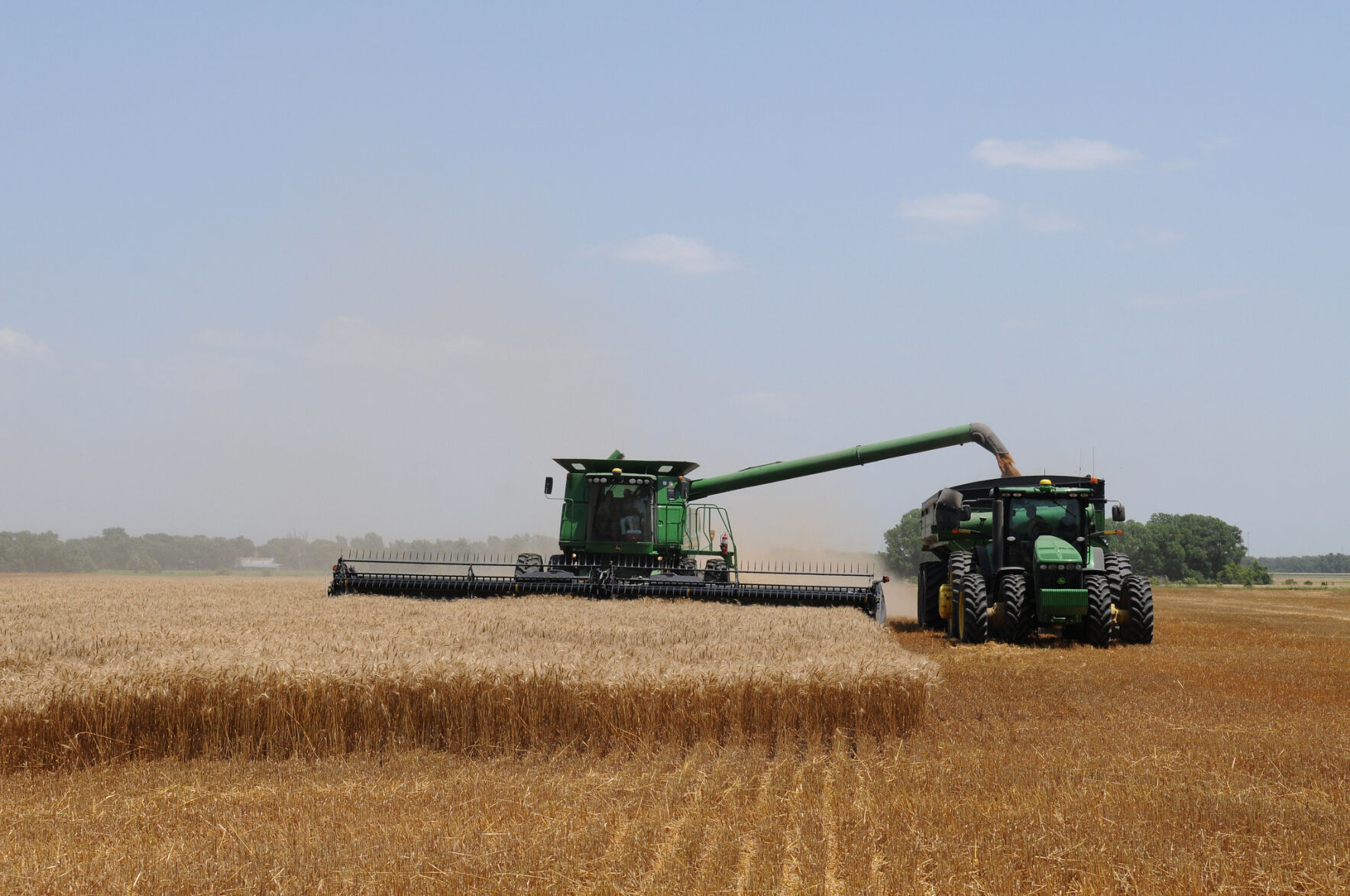
The farmers who still have crops standing after drought and hail have been preparing combines, grain carts and semis for an early, quick harvest.
Last Monday, two weeks ahead of the unofficial expected start date for our area, my partner, Marc, called me and asked if I wanted to ride to town with him to deliver the first load of wheat. He picked me up at the end of the driveway, and we enjoyed Sonic drinks and good conversation while waiting to dump the truck at the elevator. That is what constitutes a romantic date night on a farm.
That was the first and only load of wheat that has made it to the elevator as we got more than 4 inches of rain that night in just a few hours. The rain was welcomed after months of dry conditions, but it also changed the equation. Fields that were ready to harvest wouldn’t be accessible for a week or more if they weren’t washed out completely.
Farmers make plans, gather information and prepare as best they can, all while knowing weather, markets and circumstances can change without notice. This year’s harvest outlook is a reminder of that reality. What appeared certain weeks or even hours in advance can look much different in a matter of hours. Patience is not simply a virtue in agriculture; it is the hand dealt to farmers year in and year out.
While soccer fans around the world debate scores, brackets and championship contenders, wheat country will continue its own annual contest: predicting the day the first combines roll into the field, what harvest will look like and how many bushels will end up in the elevator.
And just like every year, uncertainty is part of what makes the conversation worth having.
Jackie Mundt is a Pratt County, Kansas, farmer and rancher. “Insight” is a weekly column published by Kansas Farm Bureau, the state’s largest farm organization whose mission is to strengthen agriculture and the lives of Kansans through advocacy, education and service.