
Breaking down the breed: Wyandotte
The Wyandotte chicken is a man-made breed that originated in upstate New York and Ontario, Canada, during the 19th century. The early lineage of this breed was a crossing of Cochin/Pekin bantams and Sebright bantam birds.
The result was known as Sebright Bantam. Later, a Silver-spangled Hamburg Dark Brahma was incorporated into the line, which produced birds with a more uniform rose comb. The American Sebright was later renamed Wyandotte after the Native American tribe in the region. The breed was accepted into the American Poultry Association Standard of Perfection in 1883.
Wyandottes are a dual-purpose breed valued for its hardiness, unique feather patterns and versatility for backyard flocks.
Varieties
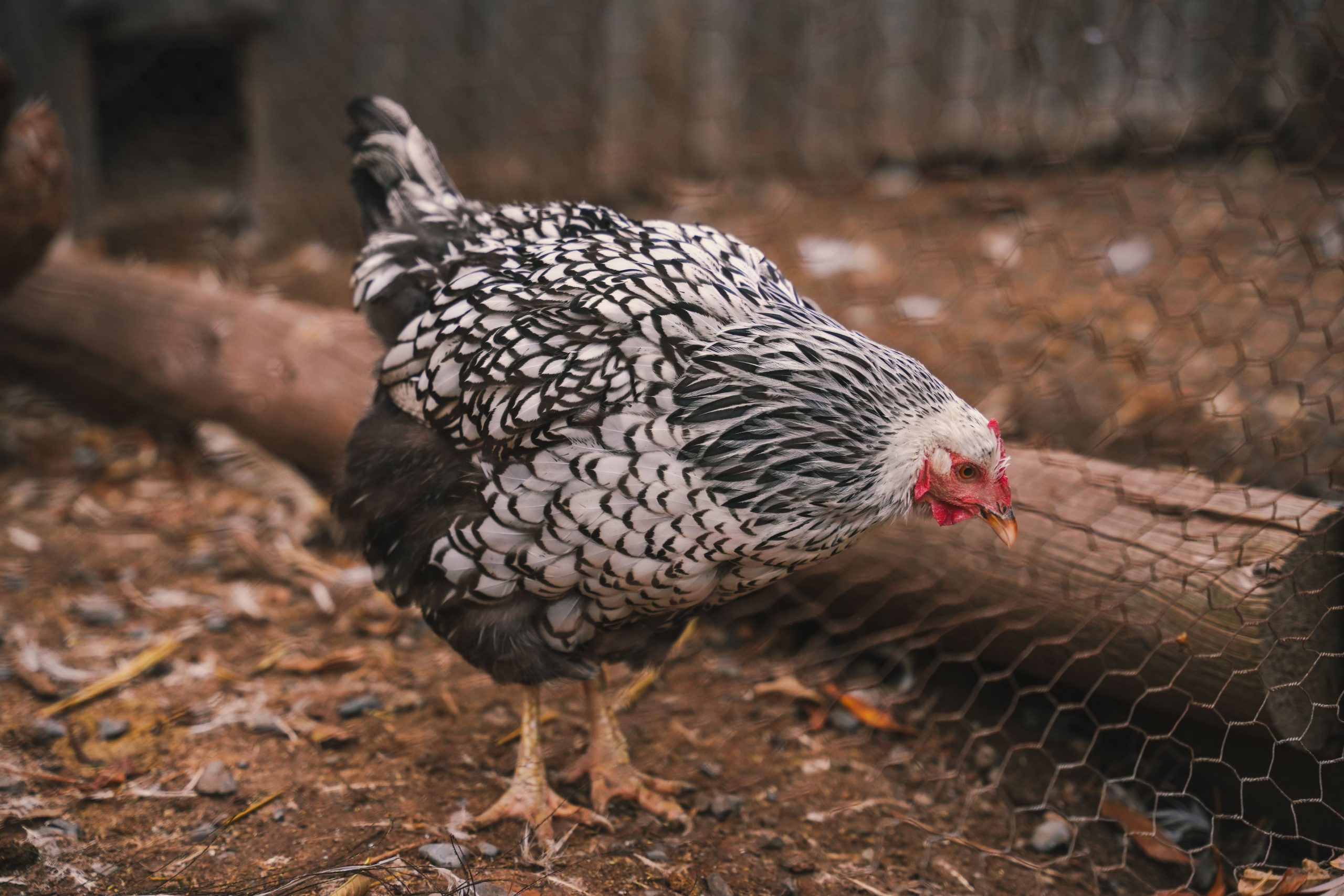
The Silver Laced Wyandotte was the original coloring for the breed and is often most associated with the Wyandotte breed. Thise birds have white feathers with black outlines around the outer edges of each feather, and additional black plumage at the rump.
The Silver Laced variety was developed in New York, while other varieties were developed in northern and northeastern states during the latter part of the 19th century and early 20th century.
The Golden Laced variety is also common within the breed, and boasts rich, copper-colored feathers with black outlining. Other recognized varieties that are less common include White, Buff, Columbian, Blue, Silver-Penciled, Partridge, and Black. The wide selection of colors and patterns within this breed make them a beautiful and exotic addition to any flock.
Characteristics
Wyandottes are medium-weight birds with a curved body shape. They are a dual-purpose breed known for their small, rose-shaped comb and yellow skin. They lay 150 to 200 medium-to-large brown eggs per year and are good mothers.
Wyandottes are generally hardy birds and can have a good disposition around other hens. Their tendency to stay close to the flock can also be useful for owners who allow chickens to free range.
They adapt well to different environments, and their smaller combs are less prone to freezing than single combs, making the breed a practical choice for colder environments.
For backyard chicken keepers, the Wyandotte offers a combination of appearance, hardiness and utility. Its range of recognized color patterns adds another reason the breed remains popular among owners looking for both productive, friendly and visually attractive birds.
Lacey Vilhauer can be reached at 620-227-1871 or [email protected].
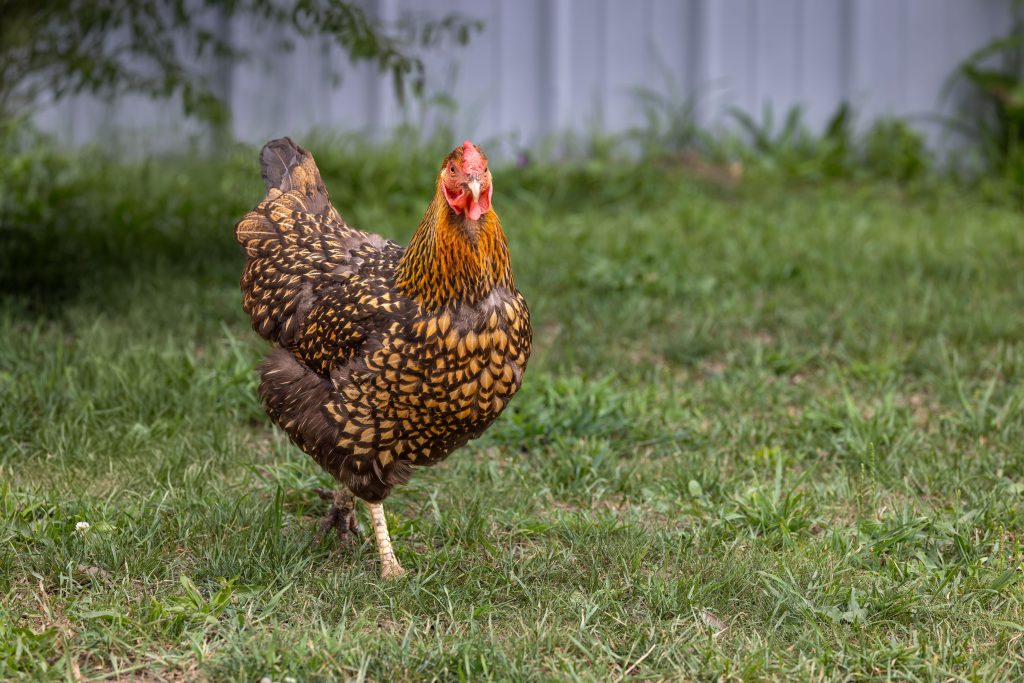
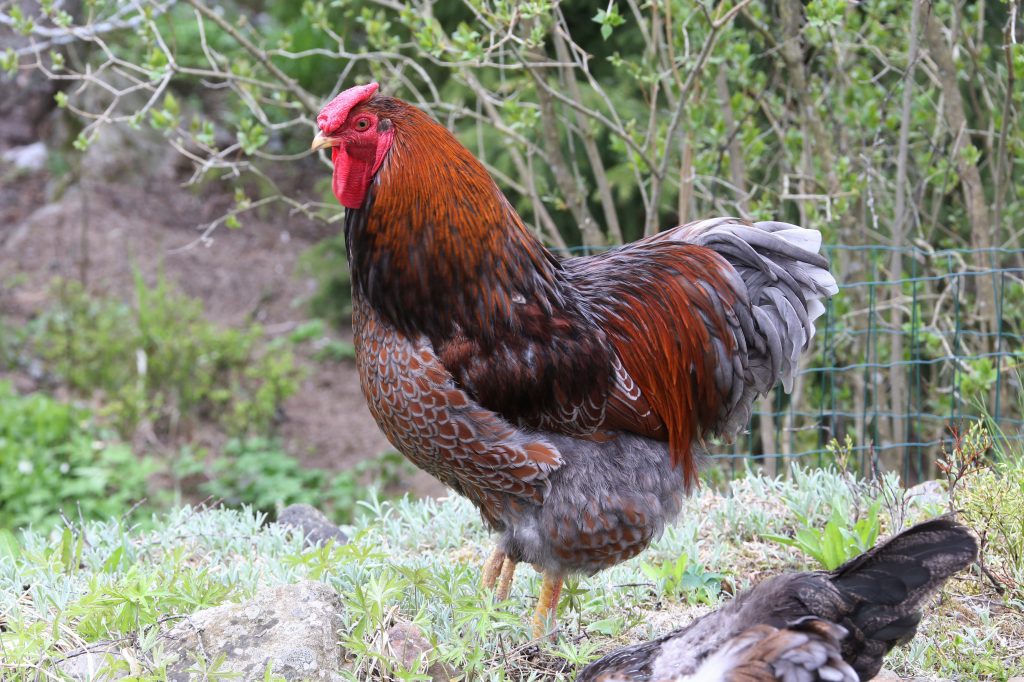
PHOTO: Silver Laced Wyandotte. (Photo by Emma Cate via Pexels.)
Related coverage and resources
- Related on HPJ: Breaking down the breed: Jersey Giant
- Related on HPJ: Breaking down the breed: Brahma
- Outside resource: The Livestock Conservancy — Wyandotte Chicken



