
Breaking down the breed: Jersey Giant
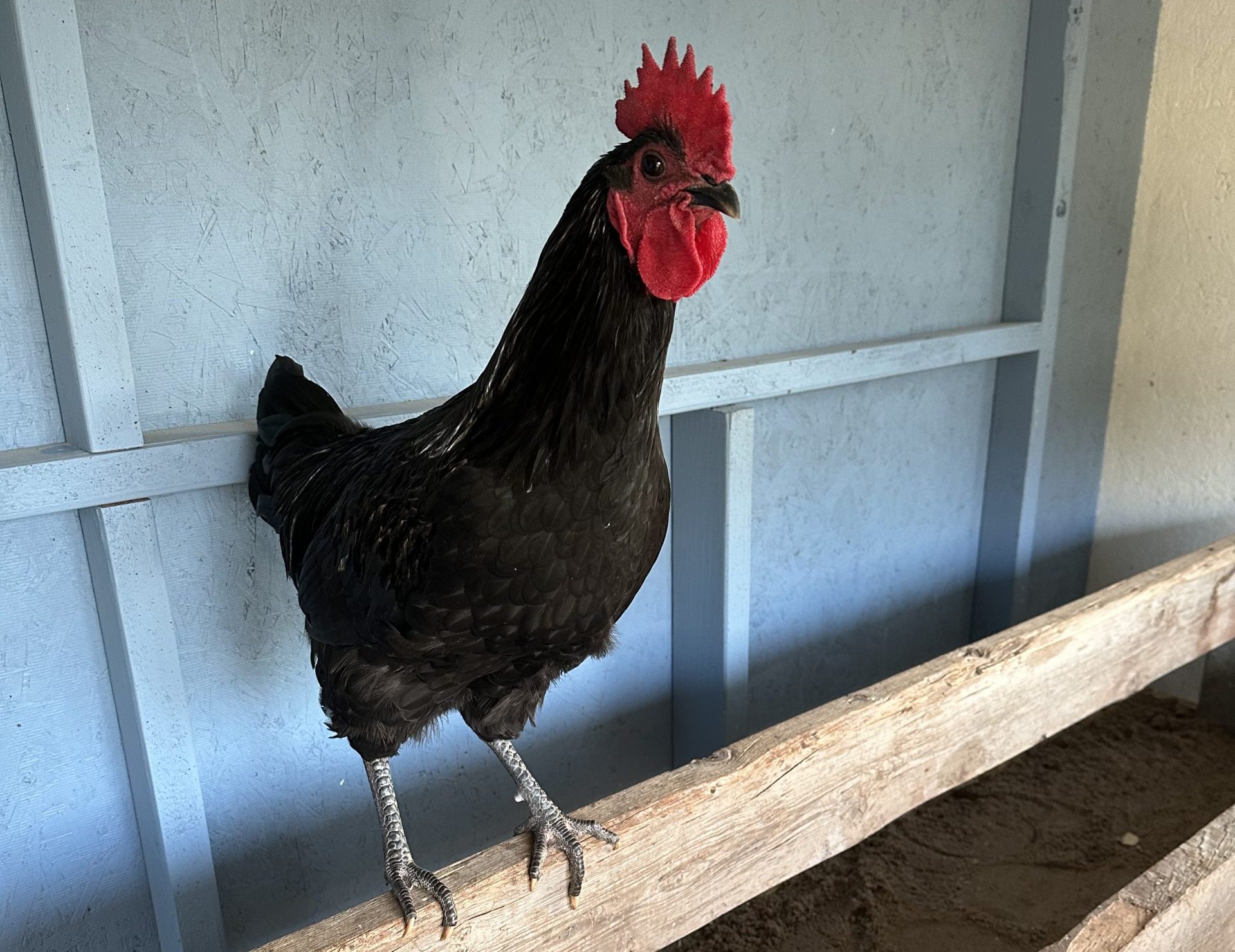
The Jersey Giant is one of the most impressive and recognizable heritage chicken breeds, known for being the largest breed developed in the United States. It originated in New Jersey during the 1870s, where poultry breeders John and Thomas Black set out to develop a large, meaty bird that could serve as an alternative to turkey for the growing table poultry market in nearby New York and Philadelphia.
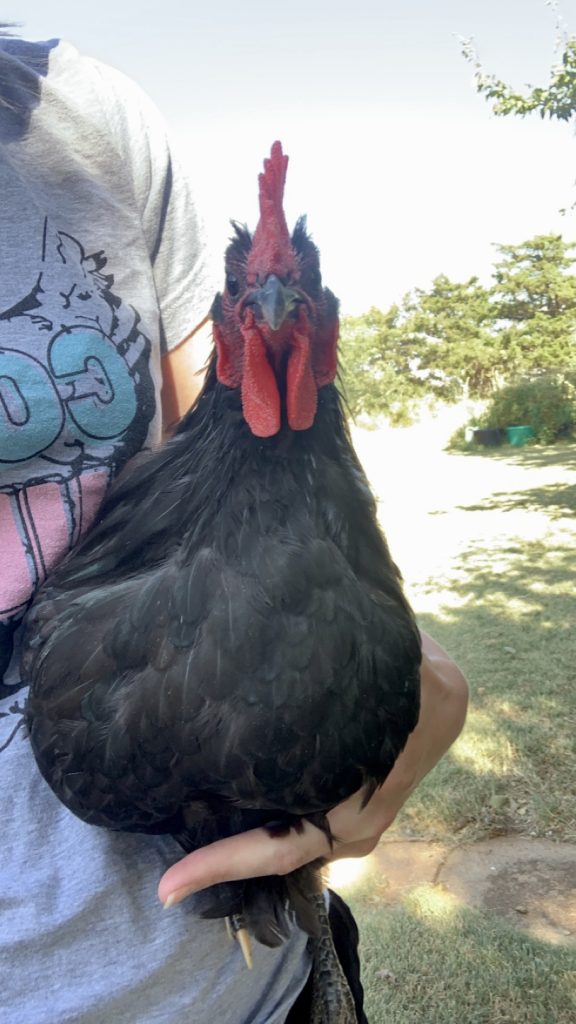
The breed was originally known as the Jersey Black Giant and was developed by crossing several large breeds, including Black Javas, Dark Brahmas, Black Langshans, and other heavy fowl. Over time, the name was shortened to Jersey Giant, and the breed was admitted to the American Standard of Perfection in 1922.
The Jersey Giant was specifically bred to produce a bird with exceptional size while maintaining good body proportions and meat quality. It quickly became known for its massive frame, making it the largest breed in the American class.
Gentle giants
Roosters average about 13 pounds, while hens weigh around 10 pounds. Cockerels typically reach 11 pounds, and pullets about 8 pounds. Despite their size, Jersey Giants are generally calm, gentle and easy to handle. They are known for their docile temperament and are rarely aggressive, making them well suited for backyard flocks.
Physically, Jersey Giants have a long, broad body with a deep breast and a strong, muscular appearance. They carry a single red comb, have yellow skin, and feature dark shanks that vary slightly by variety.
They can be mistaken for the Australorp breed, which is similar in appearance. An easy way to distinguish these breeds is the skin and feet. Australorps have pinky-white skin, and the underside of their feet are always white. The Jersey Giant always has yellow on the bottom of its feet.
Jersey Giants are recognized in black, white and blue color varieties, with the black variety being the most common. Their impressive size and striking appearance make them popular among exhibition breeders and poultry enthusiasts.
Large birds, slow growth
Although Jersey Giants were originally intended as a commercial meat bird, they never became widely adopted by the poultry industry. Unlike modern commercial broilers, Jersey Giants grow slowly, putting much of their energy into developing a large skeletal frame before adding muscle.
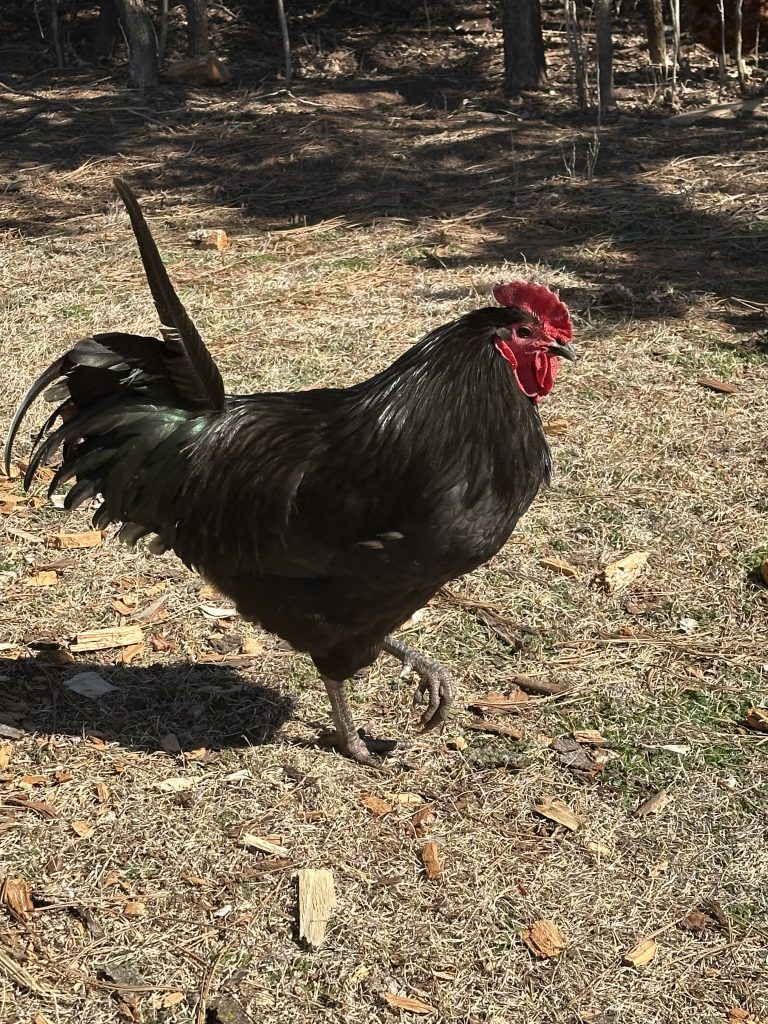
As a result, they produce relatively little meat until they are at least 6 months old, making them less economical for commercial production, where fast growth and feed efficiency are paramount.
The Jersey Giant is considered a dual-purpose breed, valued for both meat and egg production. Hens typically lay 150 to 200 large brown eggs per year, although production varies depending on nutrition, weather, and management practices.
They usually continue laying well through much of the year and are dependable producers for a heritage breed. Hens may become broody, but because of their large size, they are not considered an ideal choice for incubating or raising chicks, as they can accidentally damage eggs or young birds.
Their large frame also requires more coop space than other breeds. They also need adequate exercise while growing to develop strong bones and muscles capable of supporting their mature weight. Although they consume more feed than smaller breeds, they are hardy birds that adapt well to both free-range and confinement systems.
Today, the Jersey Giant remains one of America’s most iconic heritage chicken breeds, valued for its enormous size, dual-purpose usefulness, appearance, and calm, friendly nature.
Lacey Vilhauer can be reached at 620-227-1871 or [email protected].



