Taking care of people and cattle paramount in wildfire
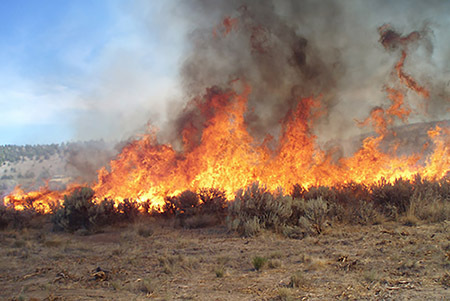
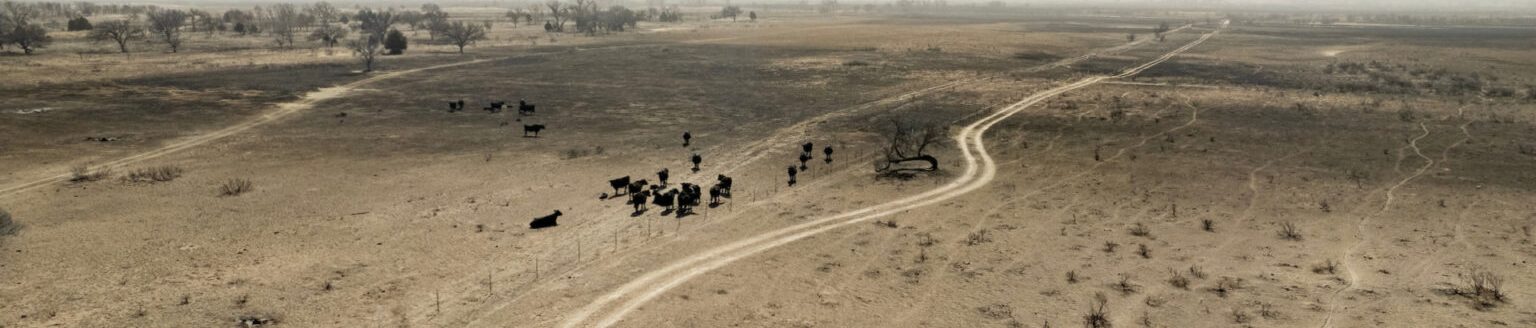
A mid-February wildfire that burned more than 280,000 acres in Oklahoma and Kansas adds stress to ranchers and rural communities and that was not lost on Dr. A.J. Tarpoff, DVM, who has many friends in the region.

Tarpoff is an associate professor and beef Extension veterinarian at Kansas State University.
“Any time I hear about a fire event, my thoughts are always focused on the safety of the people in those impacted areas,” Tarpoff said. “Ranchers, residents, first responders can all be caught in a very dangerous scenario at a moment’s notice.”
It is a good reminder that working together as a community is important, he said.
“No one is in this alone,” Tarpoff said. “Now is the time to check in on neighbors, family members and loved ones. We should all make sure no one overdoes it.”
Calving season
February and March are a time when many ranchers are involved with calving season and that adds stress. Tarpoff said calving adds an additional layer of complexity to an already difficult and challenge scenario.
Lingering stress, changes in feed, lack of protection, ash dust and typical cold nights can add misery to a wildlife’s aftermath, he said. The good news is many ranchers are providing the basic necessities for momma cows and young calves.
When wildfires are imminent
Having a plan to move cattle in advance of a wildfire did help ranchers who had time to do so, he said.
Smooth, quick and efficient cattle movement does not happen by accident, Tarpoff said.
“Those types of movements are testament to the caretakers having good cattle handling techniques and familiarity with their herds,” the Extension veterinarian said. “The best advice I have for folks that need to move cattle out quickly is to have a good regularly interaction with your cowherd. It’s very difficult to gather a semi-feral group of animals at a moment’s notice. Moving your animals routinely in a calm, cool and collected manner can make all the difference when you need to move animals in a scenario like this.”
Dealing with livestock injuries, death
Unfortunately, the aftermath of a wildfire means dealing with injuries and dead animals, he said.
In cases of injuries, a rancher should contact a local veterinarian immediately because the doctor can provide an assessment and offer treatment or triage.
“The sooner those decisions can be made, the better the outcome for the animal’s well-being,” he said.
Some of the more extensive injuries may lead to euthanasia, he said, adding that is a humane way to handle unfortunate cases.
“Some of the more extensive injuries that animals cannot recover from may be associated with hoof separation (at the coronary band), severe eye damage, or extensive skin damage,” Tarpoff said. “Any animal in severe distress should be euthanized immediately.”
States have governmental agencies to help with disposal, he said. In the Sunflower State, the Kansas Department of Health and Environment can help with location for burial or provide logistic help for composting in areas that do not have risk of ground water contamination.
Even non-injured animals have additional stress, he said.
“Basic husbandry of water, quality feed and a comfortable safe environment to rest cannot be underestimated,” he said. “Providing those basics to a high level makes all the difference right now ad in the overall recovery of the herd.”
Dave Bergmeier can be reached at 620-227-1822 or [email protected].