A new publication from the Iowa Pork Industry Center at Iowa State University helps producers evaluate water quality and manage water line systems in swine barns.
“Water Line System Management for Swine Production“ is available for download at no cost from the ISU Extension Store. The guide outlines water line system design, water quality diagnostics, cleaning and disinfection protocols and best practices for administering medications.
Several authors contributed to this publication, including Chris Rademacher, Gabi Doughan and Locke Karriker with the College of Veterinary Medicine at ISU; Ashley Englin, swine field specialist with ISU Extension and Outreach; and Becca Walthart, former master’s student with the Swine Medicine Education Center at ISU.
“Water is a physiological need for pigs, regulating growth, temperature control and overall behavioral needs,” stated Doughan. “Without regular cleaning and disinfection, biofilms can accumulate within water line systems and impact health, production and water-administered medication.”
Producers will find step-by-step instructions for cleaning and disinfecting water systems and water sample collection protocol within the publication. Water quality assessments should evaluate the physical, chemical and microbiological characteristics of water by testing pH, trace minerals and coliforms at minimum, and should be collected at least once per year.
“In a recent survey of Midwest production sites, only 20% of farms had a water line cleaning standard operating procedure (SOP) that was regularly implemented,” said Englin.
Standardized protocols can help producers reduce biofilms and ensure animals regularly have access to high-quality water, leading to improved performance and better animal health.
“Water lines are one of the main routes for antimicrobial and vaccine administration,” said Doughan. “By improving water quality and water line maintenance, producers can more effectively treat their livestock, resulting in less days off feed and reduced production costs.”
The guide also includes protocols for water medication administration and explains how water quality can affect medication efficacy. There are also instructions for how to set up and calibrate flow-activated pump, piston and diaphragm medicators.
For more information, access the publication or contact Doughan at [email protected].
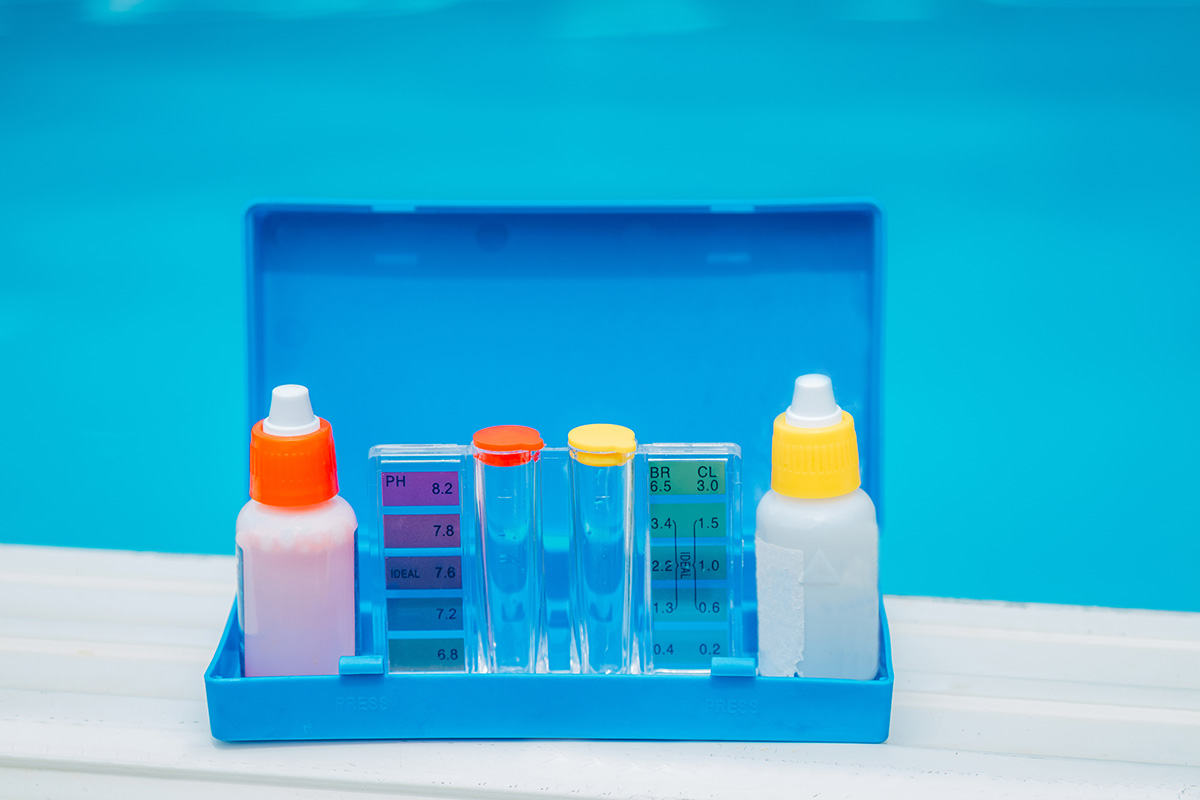
PHOTO: Water test kit. (Adobe Stock │ #444475564 – carballo)