EPA reapproves dicamba label with new limits
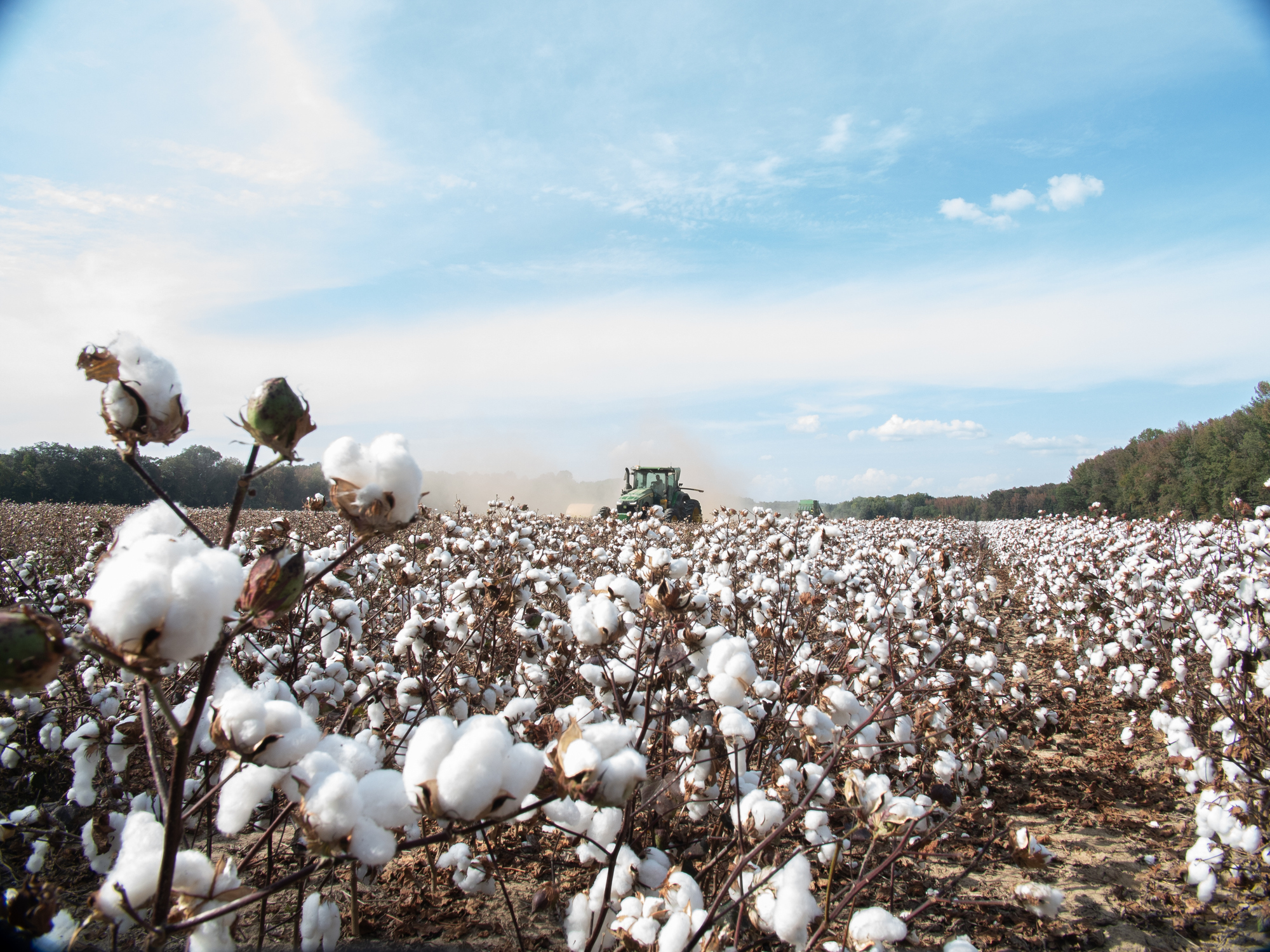
The Environmental Protection Agency reapproved a label for over-the-top dicamba on Feb. 4, in a decision praised by ag groups, but condemned by environmental organizations.
The EPA claimed the new label came with “the strongest protections in agency history for over-the-top dicamba application on dicamba-tolerant cotton and soybean crops.” It imposed new restrictions and limitations on dicamba’s use, saying, “EPA recognizes that previous drift issues created legitimate concerns, and designed these new label restrictions to directly address them, including cutting the amount of dicamba that can be used annually in half, doubling required safety agents, requiring conservation practices to protect endangered species, and restricting applications during high temperatures when exposure and volatility risks increase.”
The dicamba label for over-the-top use on soybeans and cotton implements strict, new restrictions to mitigate volatility and drift, including a 0.5 pound acid equivalent per acre maximum, temperature-based cutoffs (95 degrees Fahrenheit), mandatory volatility reduction agents, and updated buffer requirements. These actions come after severe, ongoing complaints of damage to non-target crops and neighboring environments
The approval covers only the next two growing seasons and will be subject to further review.
The National Cotton Council reacted swiftly, releasing a statement that praised the decision.
“The National Cotton Council appreciates the U.S. Environmental Protection Agency’s approval of a dicamba label that allows continued use of this important crop protection product. Cotton growers need timely access to effective tools to protect yields and deliver a high-quality crop. EPA’s decision provides growers much-needed clarity as they prepare for the upcoming growing season,” said Patrick Johnson, chairman of the National Cotton Council. “We support label requirements that are workable in the field and backed by a science-based registration process. NCC will continue engaging with the EPA to advocate for practical provisions that enable responsible use.”
The Center for Food Safety, a consistent critic of dicamba, blasted the decision. “Since its first approval in 2016, dicamba drift has damaged millions of acres of farmland and caused devastating damage to orchards, vegetable farms, home gardens, native plants, trees, and wildlife refuges across the country. Experts have found dicamba drift damage to be the worst of any herbicide in the history of U.S. agriculture. Yet the current approval provides even fewer protections from dicamba drift and damage than past approvals,” it said in a statement.
“The industry cronies at the EPA just approved a pesticide that drifts away from application sites for miles and poisons everything it touches,” said Nathan Donley, environmental health science director at the Center for Biological Diversity. “With the EPA taking aggressive pro-pesticide industry actions like this, it’s hard to see how Making America Healthy Again was anything but another broken campaign promise. When push comes to shove, this administration is willing to bend over backward to appease the pesticide industry, regardless of the consequences to public health or the environment.”
The CFS blamed the decision on the installation of a former soybean lobbyist, Kyle Kunkler, as deputy assistant administrator for pesticides in the EPA’s Office of Chemical Safety and Pollution Prevention. “Kunkler has been a vocal cheerleader for dicamba, and this administration has not recused him from working on dicamba at the EPA despite his work lobbying for it during his previous employment,” the CFS said.
“This decision responds directly to the strong advocacy of America’s cotton and soybean farmers, particularly growers across the Cotton Belt, who have been clear and consistent about the critical challenges they face without access to this tool for controlling resistant weeds in their growing crops. Dicamba has already been on the market and available for sale and in wide, continuous use on farms across the United States regardless of and prior to today’s announcement, which is specifically focused on OTT application,” EPA said.
David Murray can be reached at [email protected].