
Opportunity key to developing hay and alfalfa markets
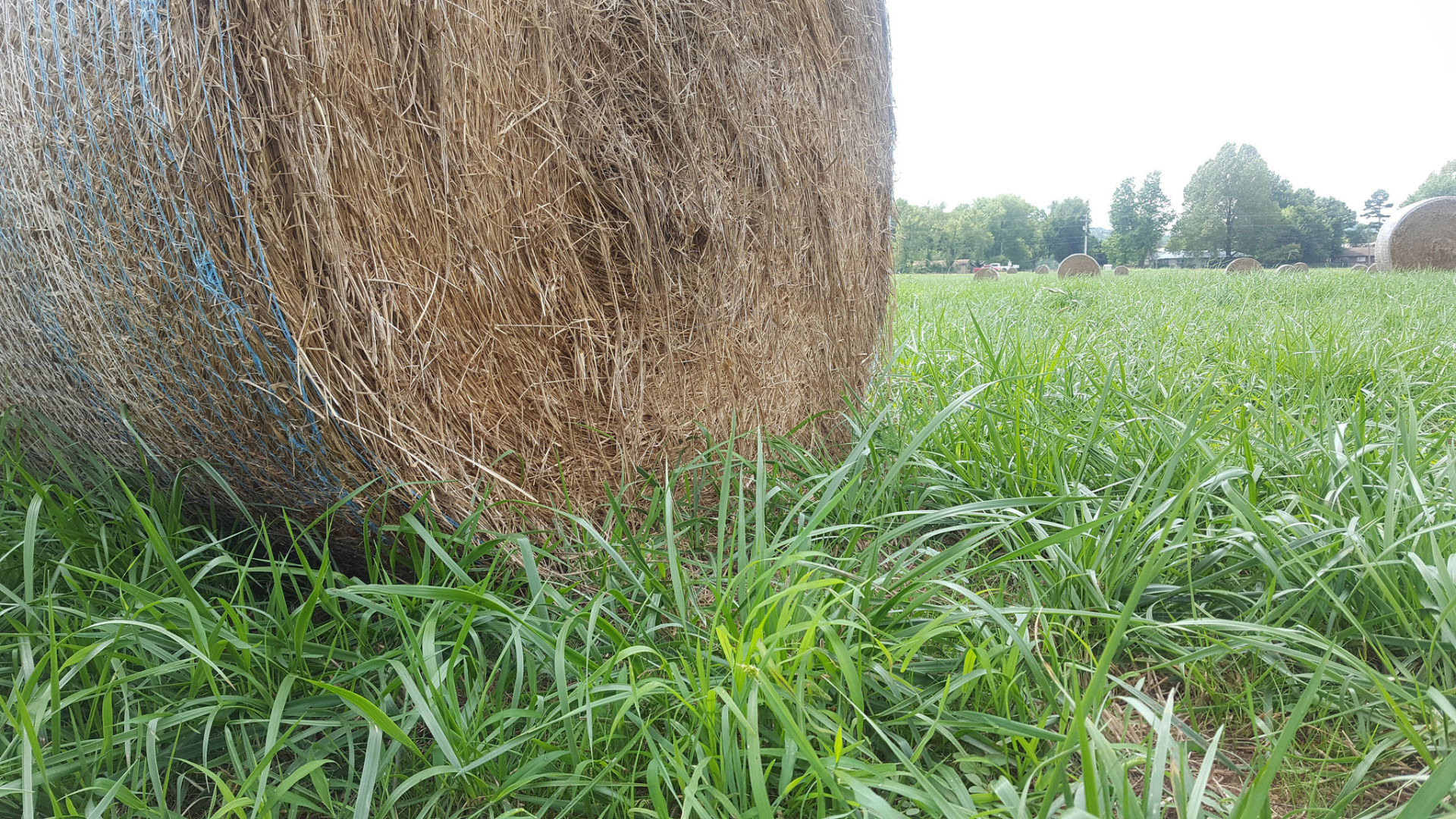
When it comes to marketing hay and alfalfa, Jordan Garrett said the High Plains region is vast and the needs widely vary.
Like many hay and alfalfa producers, he regularly reads the U.S. Department of Agriculture’s market reports that are included in publications such as High Plains Journal, and he said each region has a different story to tell—drought and livestock needs—are two important variables. For his Southwest Missouri Hay Auctions region, there may not be enough high-quality supreme hay that can be sold for a premium.
“Right now, Missouri has the hottest hay market in the United States,” he said. “It’s just a simple fact that with our animal system we have a lot of diversity.”
Beef, dairy, horse and goat production are significant to the state’s alfalfa and hay market.
The hay business is based on supply and demand, yet it is also a relationship business. ‘’You have to establish the market before you ever think about it,” he said, “Personally the only way we’re going to see hay prices continue to climb is if we have another four-or five-state disaster area.”
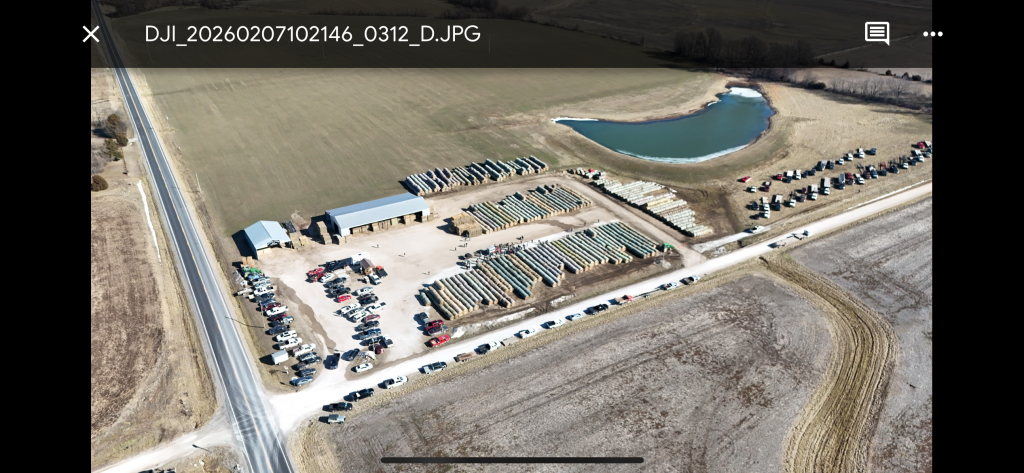
Much of Missouri continues to be drought-stressed, he said. One positive has been that buyers were already planning ahead because of past experiences when they were caught off guard.
Beef producers a few years ago faced difficult economics, Garrett said. A producer was not going to pay $400 a ton for hay while selling a calf for $800. Now a calf can get $2,500, and producers are willing to pay more for hay and prepaying in some cases to ensure a steady supply.
Plus, other factors are at work. He reminds a producer that if he was going to pay $80,000 for a new round baler and $150,000 for a tractor to pull it, plus getting access to land, he may have $500,000 wrapped into an enterprise that only could generate $40 a bale for grass hay or $200 a ton alfalfa.
2026 outlook
As he looks to the year ahead, Garrett said historically forage markets follow corn and soybean prices, which have been depressed the past year. The cattle market can boost the alfalfa and hay market,
‘There’s hope that we’re going to be able to build that herd over the next couple of years. There are people talking about breaking out the farm ground and putting it back to grass.”
Producers will have to weigh fencing costs if they decide to invest in a $5,000 heifer, Garrett said.
Plus, a conversion from crop ground to alfalfa or pasture takes time, so any decision should be made carefully, he advised. Even with low soybean prices there were growers who had timely rains and were able to double crop.
“We are not going to see $300 a ton alfalfa and crazy prices like we did three years ago due to the fact we have so much supply still out there,” he said.

In his region, Missouri once had many family dairies, but only a handful remain, and that has meant hay and alfalfa producers have had to look elsewhere. The state has several large commercial dairies. One potential project he heard about was a 4,500-head operation that could require four semi-loads that carry 100 tons a week of quality dairy hay.
That could impact the southwest Missouri market, but he also knows that dairy producers also face cost squeezing. One regional 1,000-head dairy has expanded its market reach to purchase hay from South Dakota and Nebraska. The operator has also considered high quality hay from Idaho, but the cost for delivery makes it a difficult sell when the milk fluid price is $14 per hundredweight.
“That high quality dairy hay is a tough market to sell right now and I think it’s tough nationwide to sell just due to the fact that we’re looking at $14 milk,” Garrett said. “If we had $25 milk right now, I’d say we’d probably have a national average of $350 a ton for dairy quality hay.”
Expenses
Production expenses, like corn and soybean farmers, are vexing as seed, fertilizer, interest and fuel costs remain stubbornly higher, Garrett said.
He does not recommend cutting back expenses that produce quality hay and alfalfa. “For alfalfa growers do the best you can,” he said. “The weather plays a factor of whether we raise good hay or bad hay.”
Rain after cutting hay, but before it is baled is just something that growers have to deal with each year, but appearance and quality works regardless of the market destination. Color and smell make a difference.
He also urged producers who have markets that include dairies to work closely with the operation’s nutritionist.
Opportunities
His advice to alfalfa and hay producers is to continue communicating with customers and adapt to their needs. If a grower thinks $200 a ton for high quality dairy hay is too low, he might want to consider making smaller bales that could fit a horse or goat producer.
Garrett said he knows that is not always to do, but high-quality hay and alfalfa can be sold in niche markets.
“You might have to go to the hay barn at 6 o’clock at night to load two bales of hay just to get that premium,” Garrett said.
A premium priced bale can still be sold by private treaty, he said. At the hay auction, there is continuing to be interest from hobby farmers and smaller producers, and that’s a point of emphasis.
He also believes in working closely with 4-H, FFA and vocational programs and events because that is a good way to get his name out, and he shares that insight with other producers.
Garrett believes strongly in trying to get ahead of the market, when possible. If a producer thinks a large dairy or beef operation is going to expand in his region, Garrett’s advice is to be proactive by getting to know key people in the organization six to 12 months in advance.
“If you hear of something going on, take the opportunity to go after it,” Garrett said.
Dave Bergmeier can be reached at 620-227-1822 or [email protected].



