Easter lily care: enjoying a spring classic beyond the holiday
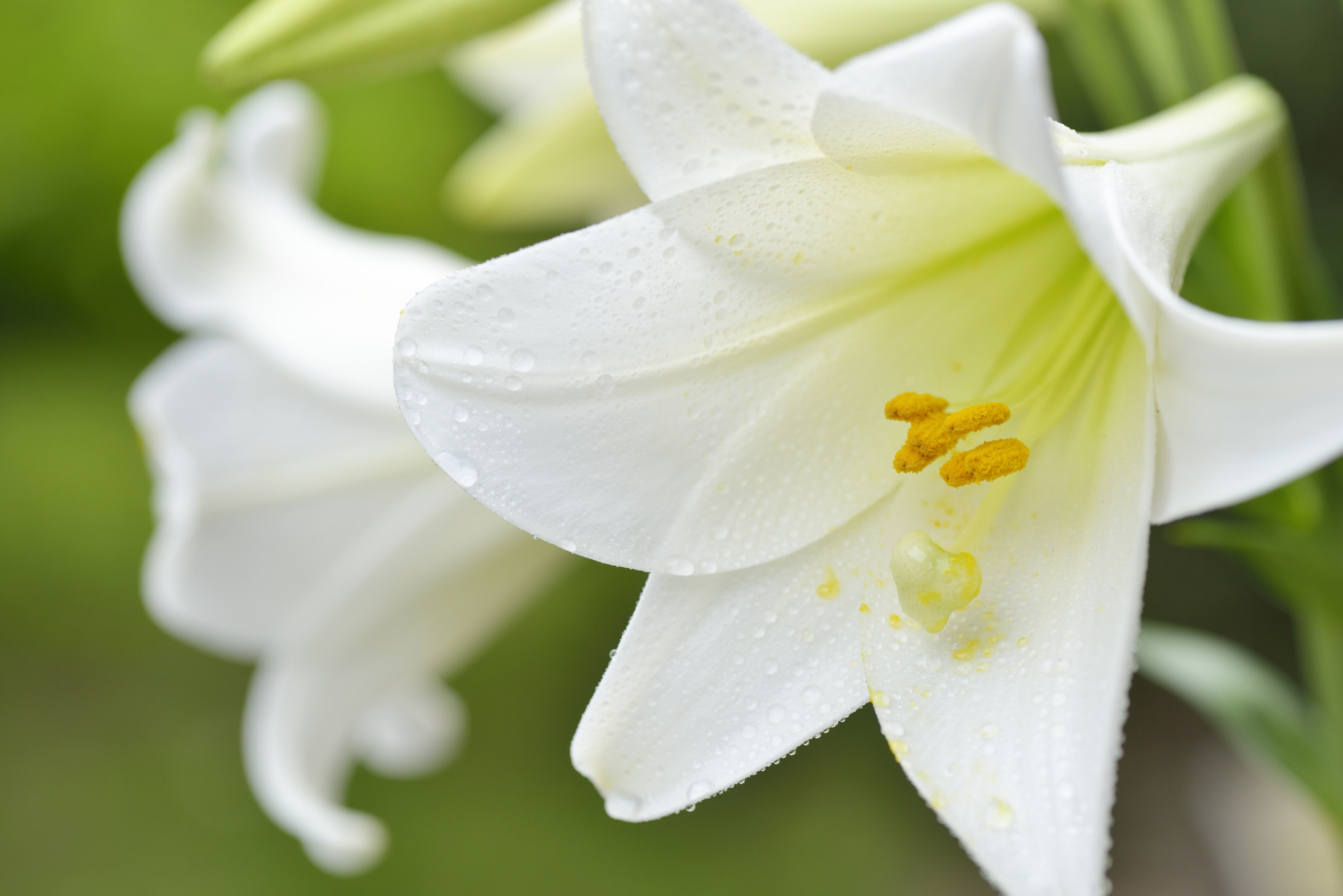
Garden centers, grocery stores and flower shops are once again full of Easter lilies. These fragrant white flowers seem to appear at just the right time every spring, but there’s a bit of history and a lot of careful growing behind that timing.
Easter lilies (Lilium longiflorum) are native to southern Japan and arrived in the U.S. in the late 1800s. Their pure white, trumpet-shaped flowers became symbols of hope and renewal, making them a natural fit for Easter celebrations.
Today, growers carefully manage light and temperature, so millions of plants bloom just in time for the holiday.
If you purchased or were gifted one of these early spring favorites, a little care will help it look good well beyond Easter.
Light and location
Easter lilies need bright, indirect light. Place in a sunny window, but try to avoid strong afternoon sun to extend bloom life.
Cooler indoor temperatures, around 60 to 65 degrees F, will also encourage the plant to bloom longer.
Watering basics
Keep the soil evenly moist, letting the top inch dry slightly between waterings. Be sure excess water can drain away.
If the pot is wrapped, make sure to poke drainage holes in the decorative foil to prevent the roots from becoming soggy.
Pollen cleanup, and a cat-lover’s warning
You may notice orange pollen dropping from the flowers. Snip off the pollen-covered anthers to prevent stains and extend bloom life.
For cat-lovers out there, remember: Easter lilies, and many other lilies, are extremely toxic to cats. Even a small nibble can cause kidney failure. If you think a cat has eaten any part of a lily, call a veterinarian immediately! Quick treatment can save a life.
After the flowers fade
Remove spent blooms but keep green stems and leaves to feed the bulb. Continue watering, give bright light, and fertilize every few weeks.
Can they go outdoors?
After the danger of frost has passed, Easter lilies can be planted outside and make lovely additions to white, cutting, or fragrant gardens. They’re hardy in Zones 5–11 and may survive in Zone 4 with winter protection, though success in Minnesota varies.
Many gardeners simply enjoy them indoors and compost them once the foliage yellows.
However you choose to enjoy yours, take a moment to appreciate this classic spring bloom, and may it inspire a season filled with renewal, beauty, and joyful gardening ahead.
PHOTO: Easter Lily (iStock – #542552158 │ itasun)