Trump lowers tariffs on imported farm equipment through 2027
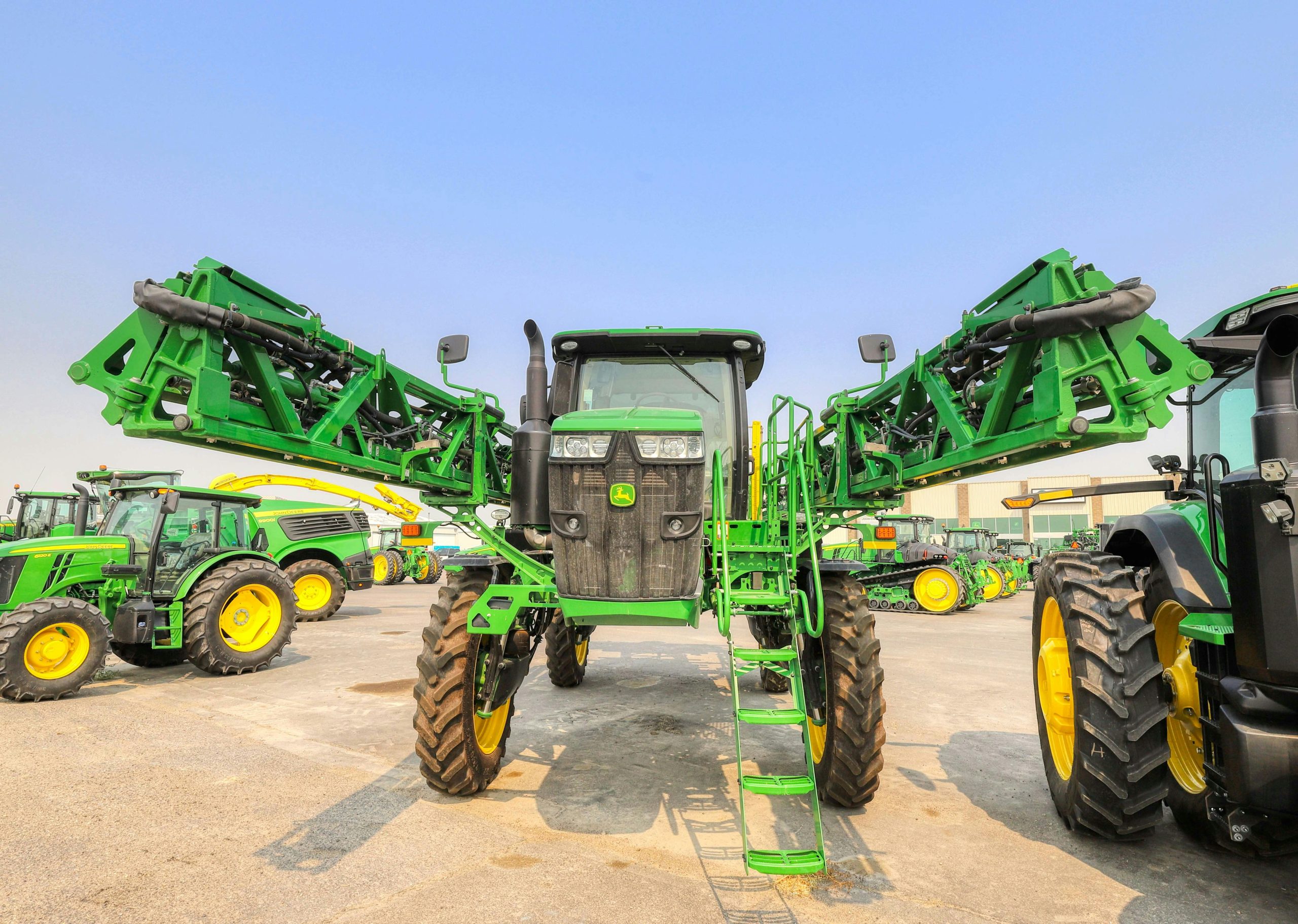
On June 1, President Donald Trump signed a proclamation reducing tariffs on imported agricultural equipment, lowering duties on combines, harvesters and certain other machinery from 25% to 15% through Dec. 31, 2027.
The tariff changes are scheduled to take effect on June 8. According to the White House, the move is intended to reduce cost pressures on farmers and manufacturers facing higher expenses for fuel, fertilizer and equipment while encouraging investment in United States manufacturing.
The proclamation also expands the category of industrial equipment eligible for the 15% tariff rate to include some mobile industrial equipment, such as bulldozers and forklifts, imported from countries covered by certain trade agreements.
Reeling in the tariffs
Under the policy, foreign manufacturers may qualify for a reduced 10% duty rate if their equipment contains at least 85% U.S.-melted and poured steel or U.S.-smelted and cast aluminum by weight, according to a White House fact sheet.
In the proclamation, Trump said recent circumstances have affected domestic industries that use agricultural and industrial equipment and related products. He said the temporary modification reflects the role those products play in U.S. economic activity.
The administration said the tariff adjustments are designed to support near-term investment and strengthen domestic manufacturing. The action is the latest modification to tariffs imposed under Section 232 trade authority, which Trump has used during both administrations to address imports of steel, aluminum and other products.
The White House said U.S. steel production and investment have increased under the tariff program, citing 4 million tons of new steelmaking capacity expected to come online in several states during the next two years. The administration also pointed to new investments in aluminum and copper production.
A reprieve for manufacturers and farmers?
Some manufacturers and equipment users have reported higher costs associated with steel and aluminum tariffs and compliance requirements. The administration previously reduced tariffs on some imported derivative metal products while maintaining higher rates on other imports containing steel, aluminum or copper.
The tariff reduction comes as farmers and equipment manufacturers continue to navigate higher input costs. Recent increases in fuel prices and volatility in global metals markets have added pressure to production and manufacturing expenses.
Financial markets responded to the announcement, with shares of Kubota Corp. rising in Tokyo, following the release of the tariff changes. The tariff adjustments will remain in effect through the end of 2027 unless modified by future administration action.
Lacey Vilhauer can be reached at 620-227-1871 or [email protected].