Bipartisan RANCH Act proposed to increase cattle numbers
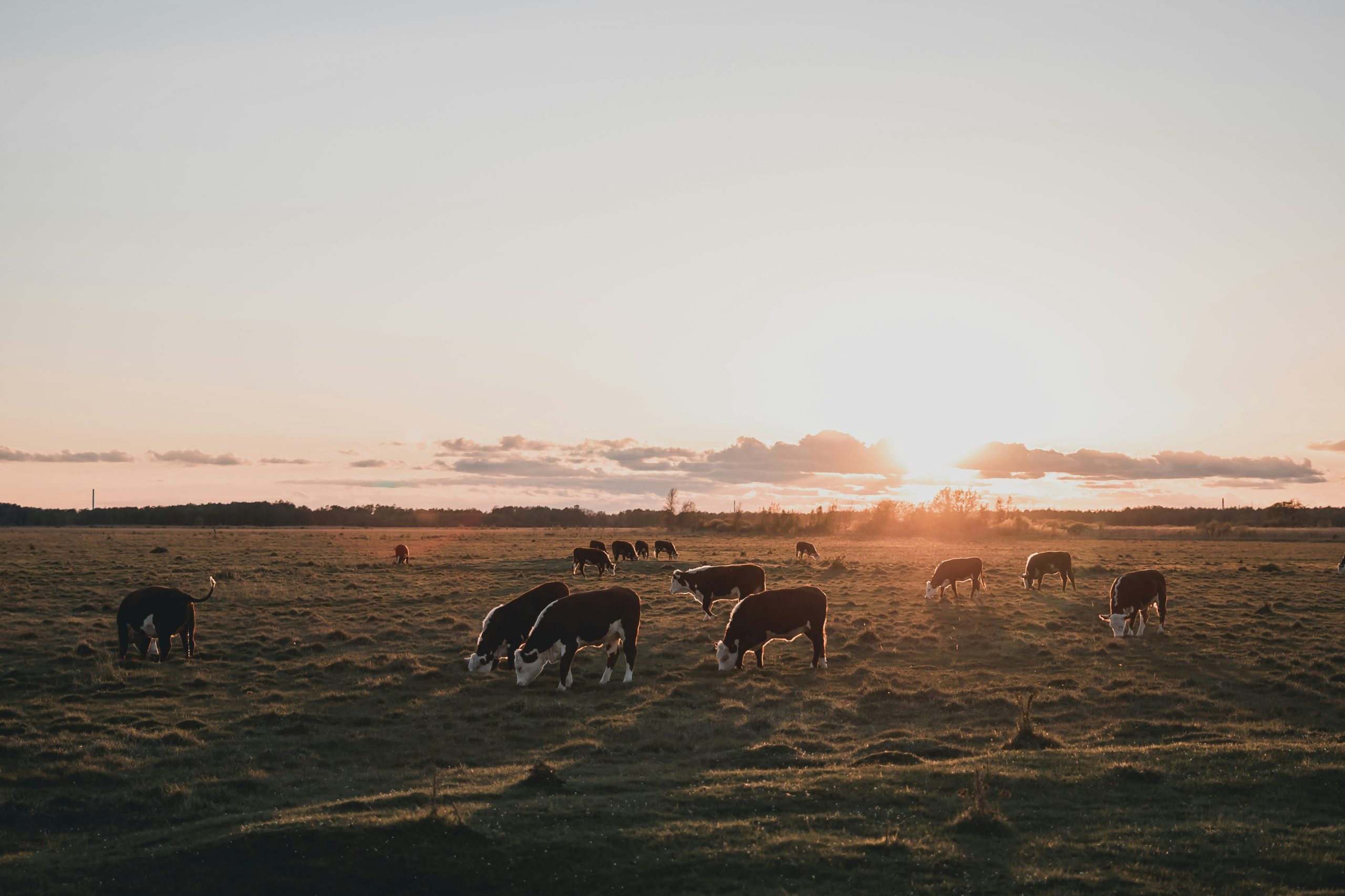
U.S. Sens. Amy Klobuchar, D-MN, and Mike Rounds, R-SD, introduced legislation on Aug. 19 designed to expand grazing opportunities and rebuilding the nation’s beef cattle herd.
The Rebuilding America’s National Cow Herd Act, or RANCH Act, would establish a voluntary, incentive-based program to convert up to 20 million acres of eligible marginal cropland into perennial grassland for grazing.
The senators said the legislation is intended to address historically low livestock inventories, which have dropped the United States cowherd to its smallest in more than 70 years.
RANCH Act specifics
The proposed ranchland program would provide cost-share and signing incentive payments to producers who restore eligible cropland for grazing. Landowners receive payments based on cropland rental value rather than pastureland value, which is usually lower in price.
The RANCH Act also avoids the seasonal grazing restrictions often found in other federal grazing programs. The RANCH Act’s sponsors also say shifting some marginal cropland to perennial grass could modestly reduce grain supplies and support commodity prices by reducing row-crop acreage.
The program is designed to help producers, including those starting or expanding cow-calf operations and offset the financial costs associated with establishing grazing land. The legislation’s sponsors estimate the restored acreage could provide enough forage to support 2 million to 4 million additional beef cows.
“The bipartisan RANCH Act will help farmers looking to start a cow-calf herd or expand their existing herd while also providing wildlife habitat on the land,” Klobuchar said. “In the long-term, this plan can rebuild the domestic cattle herd and help drive down beef costs.”
Rounds said drought, high input costs and limited grazing land have created challenges for cattle producers.
“Anyone who has spent time around cattle understands one simple truth: No grass means no cattle,” Rounds said. “The RANCH Act would create a voluntary ranchland program that helps producers restore eligible marginal cropland into grasslands for grazing.”
RANCH Act supporters
Several agricultural and wildlife organizations have voiced their support of this legislation and said restoring marginal cropland to grasslands could provide both agricultural and conservation benefits.
Some of these include the Minnesota State Cattlemen’s Association, the South Dakota Cattlemen’s Association, the National Wildlife Federation, Pheasants Forever and Quail Forever, the Great Plains Program at the World Wildlife Fund, Delta Waterfowl, and Ducks Unlimited.
The legislation is voluntary and would allow producers to determine how restored land is incorporated into individual operations. Supporters say the approach could expand grazing capacity while improving soil health, water quality and wildlife habitat.
The RANCH Act has been introduced to the Senate and has been referred to the Senate Committee on Agriculture, Nutrition, and Forestry for consideration. Some supporters of the bill would like to incorporate it into farm bill discussions in the future.
Lacey Vilhauer can be reached at 620-227-1871 or [email protected].