Texas A&M Veterinary Medical Diagnostic Laboratory expert: Fresh water, shade a must to prevent dehydration and heat stroke
As triple-digit heat grips cities across Texas and much of the country, an expert from the Texas A&M Veterinary Medical Diagnostic Laboratory, TVMDL, is warning pet owners that dehydration can quickly turn dangerous, increasing the risk of heat stroke during periods of extreme summer heat.
“In the summer, especially as we get into later summer, owners have to closely monitor their pets for heat stress,” said Terry Hensley, DVM, assistant agency director for TVMDL and veterinarian in the Texas A&M AgriLife Extension Service.
“We can’t forget the dangers that come with the really high temperatures that last for days in a row,” Hensley said.
How pets handle heat
When a pet’s body can no longer cool itself effectively, overheating can quickly progress to heat stroke, a life-threatening medical emergency. The normal body temperature range for both dogs and cats is between 100-102 degrees. Heat stroke occurs when that climbs past 104 degrees. At this point, a pet’s natural cooling mechanisms become overwhelmed, and prompt veterinary treatment is critical to prevent life-threatening health emergencies.
“Dogs and cats can’t sweat to cool themselves like humans can,” Hensley said. “They have a few active sweat glands on their paw pads, but this provides very minimal cooling.”
Instead, they rely on panting, the widening of blood vessels and seeking out shade or cool surfaces to release excess heat. However, heat stroke can develop when these physiological and behavioral cooling mechanisms become overwhelmed – and dehydration accelerates that process.
Different behaviors, but one common need to hydrate
Overexposure to hot or humid weather, confinement in poorly ventilated areas and overexertion can all push a pet towards heat stroke. When dehydration enters the picture, the progression can happen much more quickly.
“Just like it is for us, we get dehydrated when the temperature and humidity is high,” Hensley said. “Having that continuous access to cool, clean water is extremely important for pets.”
Importantly, dogs and cats face species-specific risk factors for dehydration.
Dogs tend to spend more time outdoors and engage in higher levels of physical activity, which can increase fluid loss, particularly during hot weather. As a result, dogs require access to fresh water both indoors and outdoors at all times.
Cats, on the other hand, are often selective about their water sources. Literature suggests many cats drink more when the water source is placed away from both their food bowl and litter box.
Furthermore, some veterinarians and feline behaviorists suggest that cats prefer drinking from flowing water, such as pet fountains. It is believed that cats instinctively associate moving water with a fresher and safer source of hydration because stagnant water in natural environments is more likely to harbor bacteria, parasites and other contaminants.
Acclimated, not invincible
Hensley said pets should have access to clean, cool water at all times, especially during periods of high temperatures.
“Even if there’s still water in their bowl, owners should throw it out, rinse it out and fill it with fresh water,” Hensley said. “This goes for both indoor and outdoor animals.”
He said pets spending all or most of their time outside should also have frequent access to fresh and preferably cool water.
“Outdoor pets like barn cats and livestock guardian dogs are not any tougher when it comes to hydration,” he said. “They may be more acclimated to the high temperatures, but owners should make sure that they have plenty of clean water and shade.”
Know the warning signs
TVMDL offers a range of diagnostic tests that can help veterinarians evaluate hydration and heat illness. A few of these tests include packed cell volume or PCV, serum chemistry panels, electrolyte panels and urinalysis.
However, before diagnostics can begin, pet owners must first recognize clinical signs and tell a veterinarian.
“Watch their respiratory rate and how fast they’re panting, because that may give you a clue that they’re getting overheated,” Hensley said. “If you have a pet that you think is experiencing heat stress, you should seek veterinary attention. If there is still time, a veterinarian can work quickly to lower the body temperature by providing intravenous fluids and administering oxygen.”
Dehydration should never be overlooked. If left untreated, it can progress to serious health emergencies like heat stroke.
“Overall, giving access to plenty of fresh water and shade is one of the best ways to protect pets from heat stroke,” Hensley said.
The summer heat may be relentless, but it doesn’t have to get the best of pets. Water, shade and a watchful eye can help them stay cool, comfortable and safe.
TVMDL partners with veterinarians by offering a wide range of diagnostic testing services that support the health of companion animals. For more information about the laboratory’s veterinary services, visit the TVMDL website at tvmdl.tamu.edu or call the College Station laboratory at 888-646-5623.
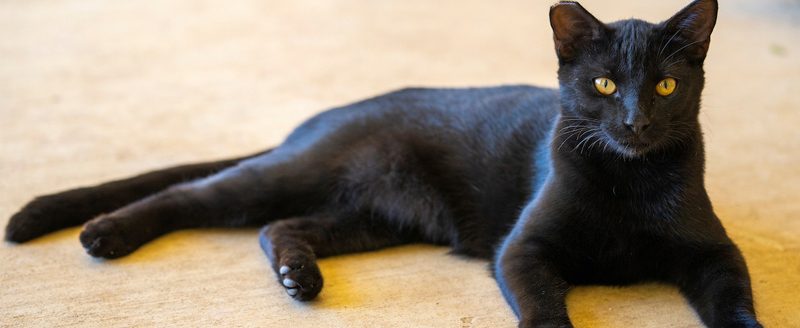
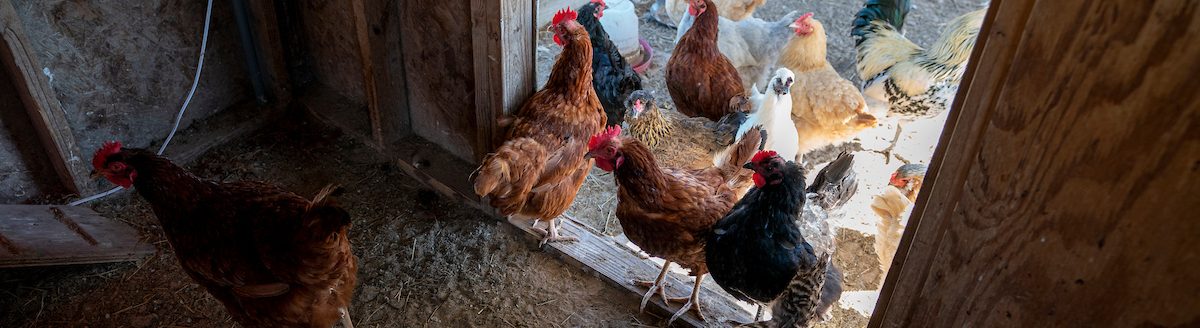
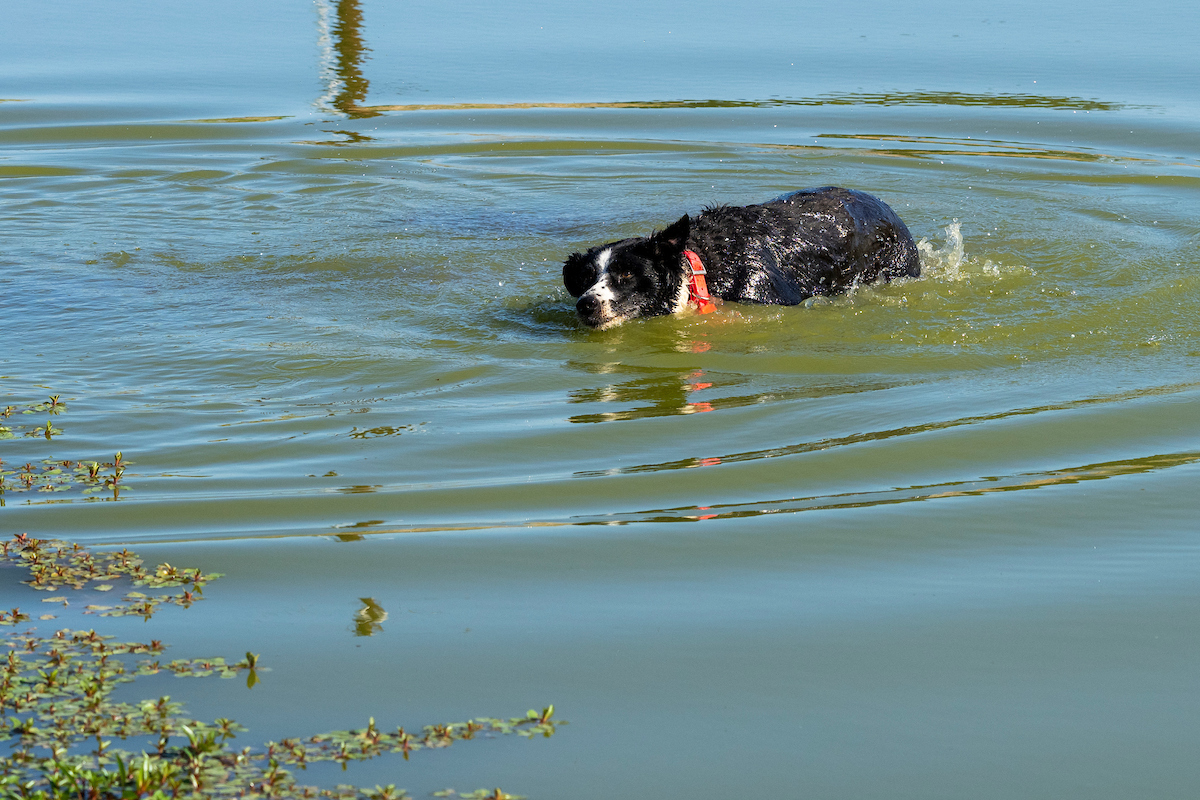
PHOTO: Pets need to be able to cool off during extreme heat to avoid heat stroke. Good hydration is also necessary. (Michael Miller/Texas A&M AgriLife)