State-By-State Hay Markets
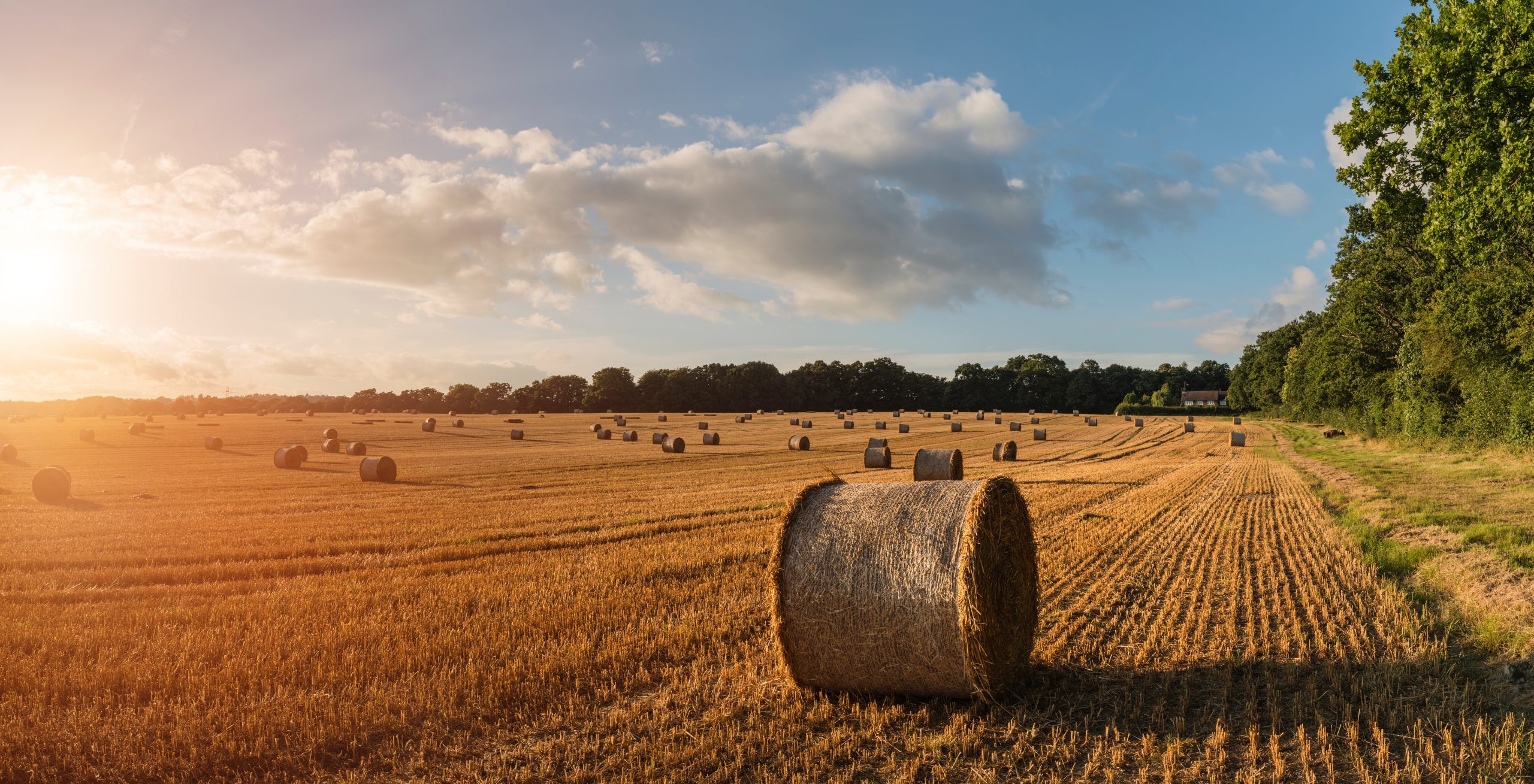
A weekly overview of hay and alfalfa prices across the Central, Midwest, Southern and Western regions, featuring USDA Market News data on hay types, grades, bale sizes and prices per ton.
New Mexico—In Oct. 13 report, compared to the last report, the hay market appeared firm.
Colorado—In Oct. 8 report, compared to the last report, trade activity Moderate. Demand Good to Very Good all markets of new crop hay. Premium small squares of alfalfa sold 25-75 cents/bale higher. Corn Silage harvest is mostly done in northern Colorado with southern Colorado delayed from last week’s rain. Southeast Colorado received between 2-4” of rain last week, stretching from Pueblo to Lamar. The next available report will be Oct. 22.
Missouri—In the Oct. 15 report, as of this time producers are still easily able to find hay for sale, but fuel prices add a lot to getting it to the farm. The supply of hay is moderate to heavy, especially fair to good quality grass types of hay. Hay demand and movement have been moderate. Hay prices are steady to firm. The Missouri Department of Agriculture has a hay directory at https://apps.mda.mo.gov/haydirectory or visit the University of Missouri Extension feed stuff finder at https://feedstufffinder.org.
Nebraska—In the Oct. 8 report, compared to the last report all reported forages sold steady. Demand was moderate to good. Alfalfa producers are on either fourth or fifth cutting with producers out west finishing up on third cutting. Some reports in the central area that third cutting alfalfa had more tonnage than first cutting did. Some reports of 1.5 tons per acre. Amazing what water and decent weather can do for a crop! Some producers are bailing cornstalk bales and are somewhat disappointed with the bales per pivot. Several bales less than most years for some reason. Fungus in the stalks is one reason for the lighter bales? Fall harvest of corn and soybeans continues across the state. With several producers happy with bushels per that are rolling in.
Oklahoma—In the Oct. 16 report, compared to the last report, Demand for hay remains high. We continue to see all types of hay being moved in preparation for fall and winter. Hay movement has slowed down due to the rain. The next report release will be on Oct. 30.
Texas—In the Oct. 16 report, compared to the last report, hay prices and demand remain good. The next available hay report will be Oct. 30.
South Dakota— In the Oct. 16 report, compared to last report, good to very good demand for all classes of hay. Best demand is coming from western South Dakota where the drought has been severe and little hay was made this year. Grass hay supplies are limited as the weather wasn’t conducive to growing grass as it was dry during April and May. Drought has gripped the eastern side of the state as well, some areas are very short and made substantially less hay than normal, while in others spots the alfalfa produced pretty well.
Wyoming— In Oct. 15 report, Compared to the last report all forages sold steady. Demand was moderate to good. Some previously spoken loads of hay have been turned back by out of state buyers due to the increase of diesel fuel and freight charges they can not afford to ship the hay halfway across the USA anymore. These buyers like to purchase WY high elevation hay as its put up right with no bleaching and the horse owners on the other end that purchase the hay love the color and quality of the product. These customers have been buying hay from western WY for 10 or more years. On a positive note, there has been some rain showers across the state with some snow reported in certain areas. Everyone is very thankful for any moisture that has come their way!
Montana— In Oct. 16 report, Compared to last report(10-02-26): Hay sold generally steady. Demand for hay is mostly moderate. Supplies are mostly moderate. Demand for hay continues to lighten slightly. Fall rains have been very beneficial to pasture and range conditions. Couple that with warmer weather and grass has greened in many locations. Many producers plan on leaving cows turned out for as long as possible as they look to ways to ease winter feeding bills. Locations are putting up 3rd and 4th cuttings as warm weather and late season rains have allowed for additional cuttings. Many report strong yields on 3rd cutting especially in western and central Montana. Hay in the northern half of the state remains a discount to southern hay as sellers compete with hay coming out of Canada and across highway 2 from North Dakota. Most of this hay continues to be delivered for 180.00-230.00 depending on freight and quality. Demand for hay to ship into Wyoming has eased slightly as fall rains fell across much of that state as well over the last couple weeks. Hay is very locally priced as freight costs are high to move from stack to ranch.
All markets can be found at https://www.ams.usda.gov/market-news/hay-reports
To contact us: hpj.com/contact/