Oklahoma ranch targets Prime grades through genetic selection
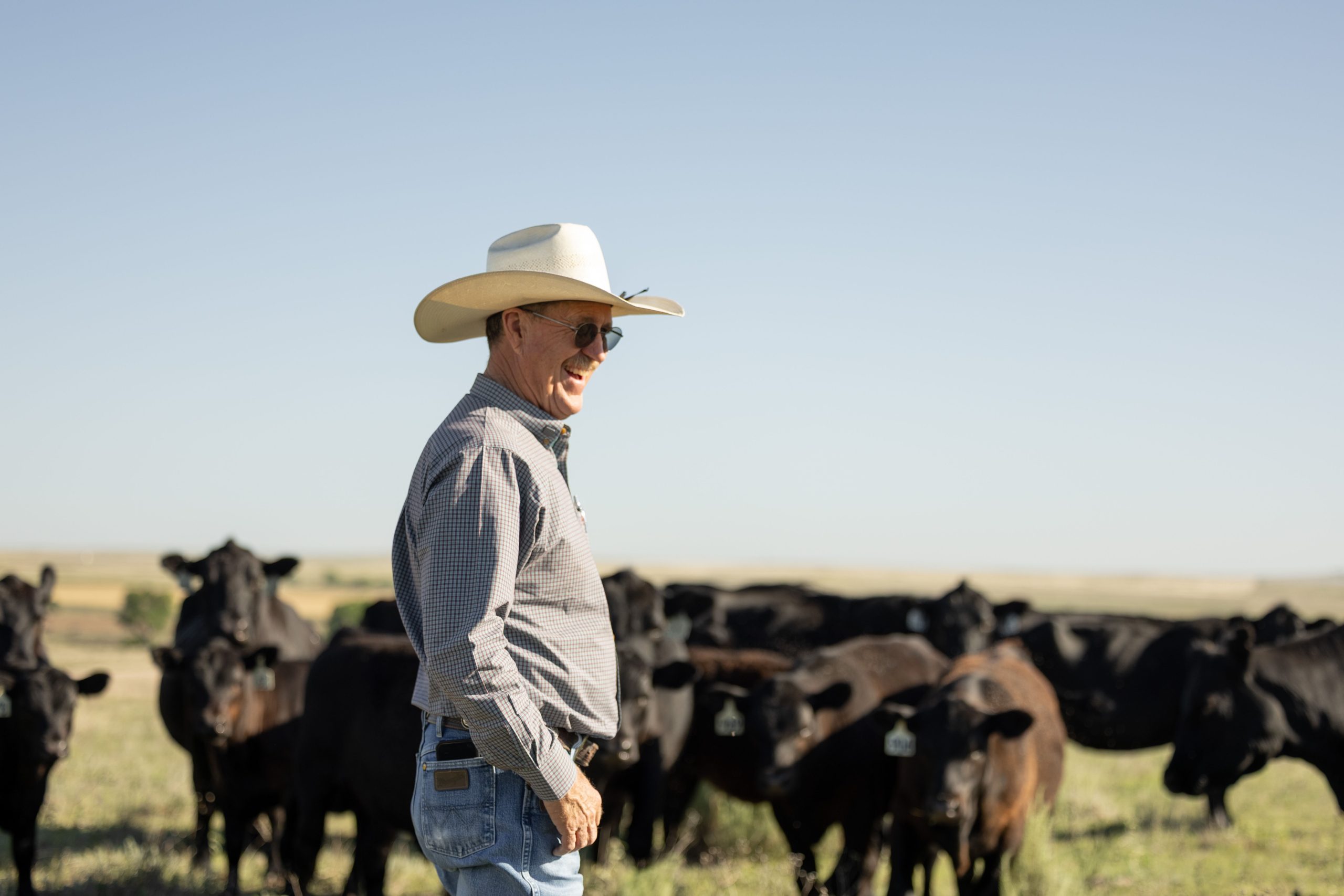
For Alan Jett, improving beef quality has been a decades-long pursuit, but the goal has never been simply to raise cattle that perform well. He wants to produce better beef.
“I don’t raise cattle,” Jett said. “I produce beef.”
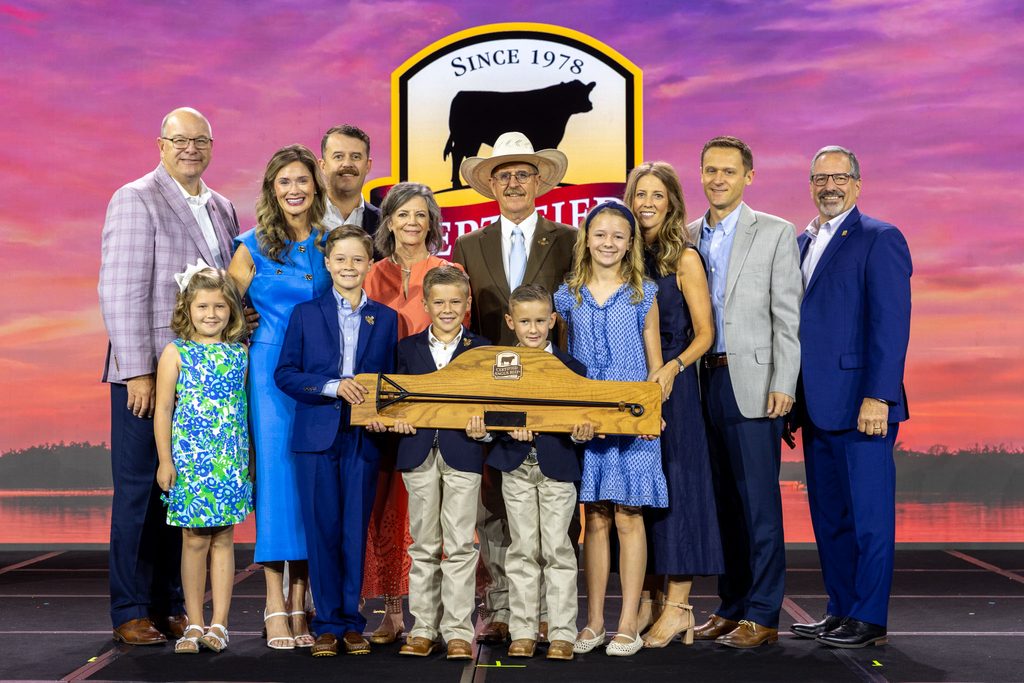
That philosophy has helped Jett and his family at Jett Family Ranch near Laverne, Oklahoma, earn the 2026 Certified Angus Beef Commercial Commitment to Excellence award.
The operation is expected to finish the year with a Prime grading rate of more than 70%. Jett also said the cattle the ranch has marketed through National Beef have not included a Select carcass in five years.
Jett estimates he has spent approximately 15 years focused on improving carcass quality, building on a family history of cattle feeding that dates to 1917, when his grandfather began feeding cattle in the area.
The fourth-generation cattle operation has steadily improved carcass quality through genetic selection, nutritional management and a commitment to using performance data to guide breeding decisions.
A shift toward value-based marketing
Jett grew up in the yearling business, and the family fed cattle in a small feedyard at their ranch. When Jett took over more management roles on the operation, he focused on registered Salers producing ranch bulls for a while before eventually returning to feeding cattle.
As the operation began marketing cattle on value-based grids in the late 1990s and early 2000s, Jett recognized an opportunity to improve returns by producing cattle that met higher carcass-quality specifications.
He wanted his livestock to be marketed through the U.S. Premium Beef grid, but at the time their carcasses were not yielding much reward based on the grid specs.
“When I started trying to make cattle fit the U.S. Premium Beef grid, they had to start grading a whole lot better,” he said.
That realization prompted a shift toward Angus genetics.
“The reason I bought Angus bulls was because they had the most data of any breed,” he said. “You had a better idea of what you were getting, and I didn’t think there was any breed that I could get any more marbling with as functional a cow. Plus, at that time, Certified Angus Beef was paying 35 bucks a head for everything with the black hide.”
Genetics drive carcass improvement
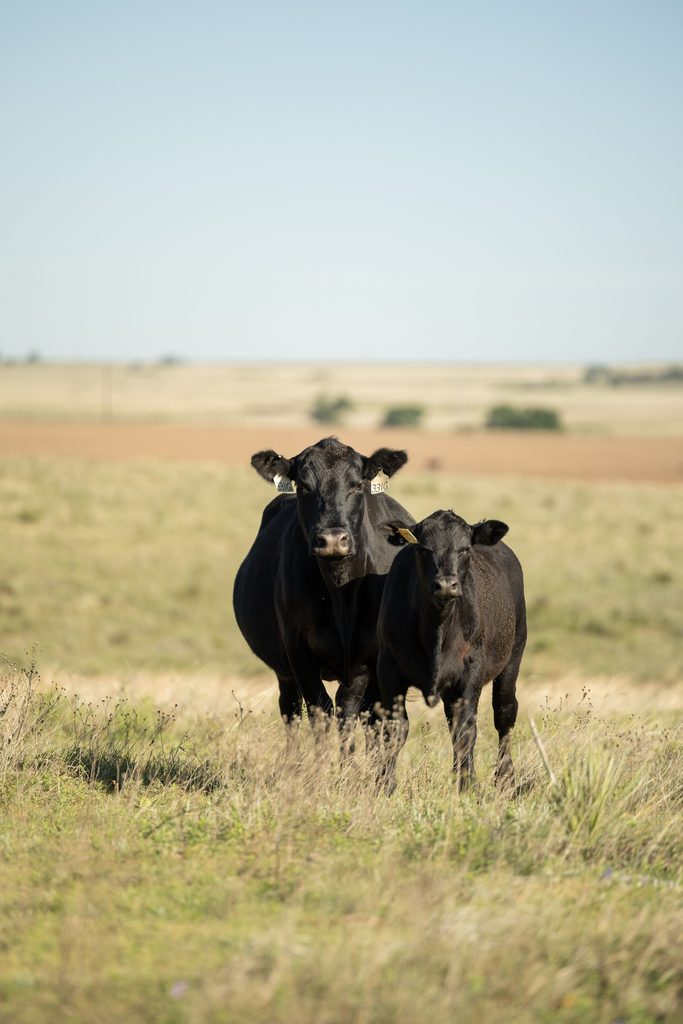
The operation began using artificial insemination with higher-marbling Angus bulls, including genetics from Gardiner Angus, Ashland, Kansas. Jett said one Gardiner bull, Predestined, made a particularly significant difference in the herd.
When the first calves from Predestined began reaching harvest, Jett saw substantial improvements in marbling. The bull also produced daughters that developed into productive females, giving the operation improvements in both carcass quality and maternal traits.
“One thing I’ve never done is select for a single trait,” Jett said. “I’ve always paid attention to all the other traits: Calving ease, fertility and mothering ability. I always kept the cow in mind.”
His approach to genetic selection has continued to evolve as more genomic information and carcass data have become available.
“When genomics came along, that took a lot of the guesswork out,” Jett explained. “When we were using bulls, we knew what we were getting. I won’t turn a bull out that’s not in the top 1% or 2% of the breed for marbling.”
Balancing marbling and cow size
Marbling, however, is only one part of the selection process. For years, the cattle industry emphasized pounds and performance, often resulting in larger-framed cattle and increasing cow size. Jett is now placing greater emphasis on reducing mature cow size while maintaining performance and carcass weights.
“We’re selecting bulls with smaller mature heights while we’re trying to stay in the upper echelon of carcass weights and yearling weights,” Jett said.
Jett also considers physical characteristics when selecting replacement heifers. He looks for feminine, high-volume females that are easy keepers, then uses DNA testing and genomic information to help evaluate their potential. He said balancing those traits is important to maintaining a functional cow herd while improving carcass quality.
“There’s a phrase, ‘It’s better to sell a pound of gold than a pound of lead.’ I really believe in that, but your cow has to be functional,” he said. “The calf itself in the feedyard’s got to be functional. All these pieces have to come together and work together.”

Nutrition supports performance
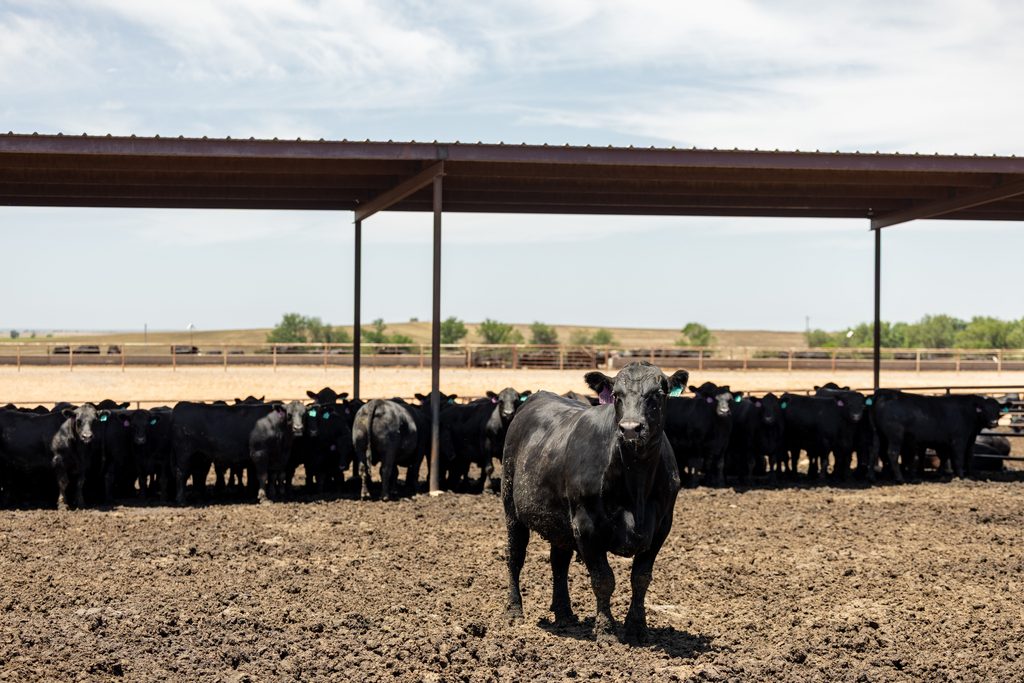
Average feed consumption has increased from about 25 pounds per head per day in the operation’s earlier commercial groups to around 36 pounds today, Jett said. Feed conversion has improved from 7.5 pounds of ration per pound of gain to 5.5 pounds of ration.
“Plus, the cattle are gaining about 1.5 pounds more per day while they’re in the feedyard,” Jett said. “All of that I think is built around the consumption piece. The cattle just consume more, so they tend to gain better, and they tend to convert better.”
Managing that increased intake and performance has required adjustments to energy levels in the ration, including pulling back some calories to address late-term health challenges.
Days on feed and marketing windows
Days on feed have also become an important part of the operation’s carcass-quality strategy. This year, Jett marketed cattle at several different points in the feeding period to evaluate the relationship between Prime grading, yield grade and carcass weight.
A group marketed after 135 days on feed graded 24% Prime. Another group marketed around 150 days graded 35% Prime with 0% Yield Grade 4s. At 170 days on feed, one group reached 81% Prime with only 5.5% Yield Grade 4 carcasses. The final group was on feed for 190 days and reached 87% Prime but graded 32% Yield Grade 4.
That result reinforced a management goal for Jett: Producing more Prime cattle without relying on extended feeding periods, which can push carcasses into less desirable yield grades.
“What we’re trying to do is produce Prime cattle that stay in Yield Grades of 2s and 3s,” he said. “We’re trying to do it with genetics as opposed to corn.”
Jett uses a cattle sorting process to create a longer marketing window rather than sending entire groups to harvest on the same day. The approach allows him to market cattle as they reach desired endpoints while taking advantage of favorable market conditions.
When reviewing carcass results, Jett focuses on the value difference between Prime and other quality grades. He said his goal is to continue increasing the percentage of cattle reaching Prime rather than simply meeting Certified Angus Beef specifications.
“My goal is to produce cattle that will go 100% Prime, but they’ll do it with Yield Grades 2s and 3s and a reasonable feeding period. The reason is it opens up our marketing window,” he said.
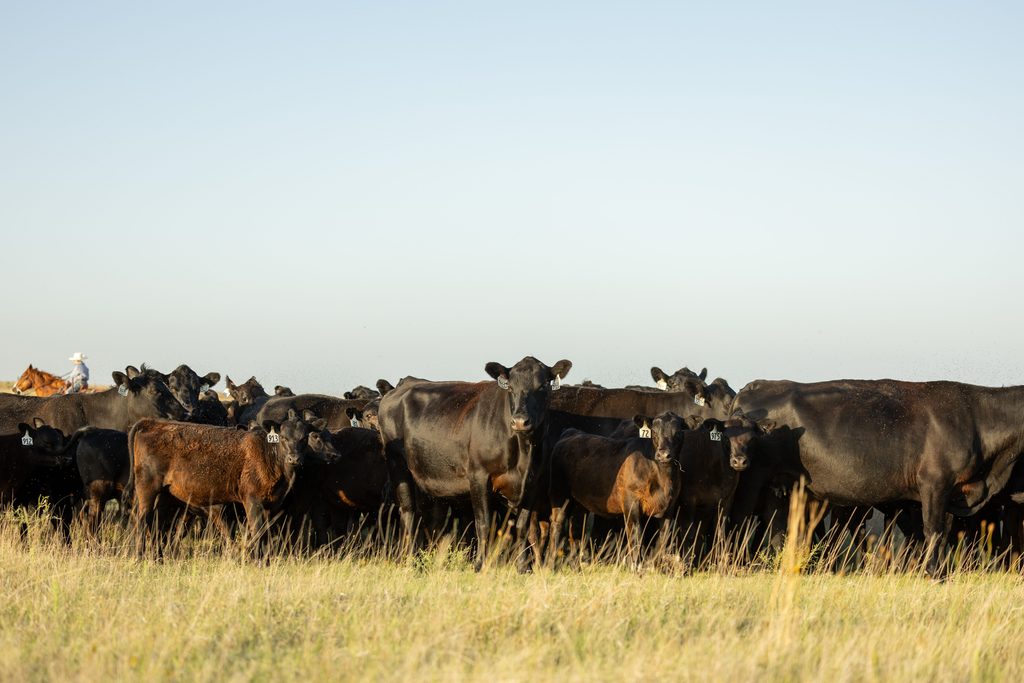
Looking beyond Prime
He believes there is still room for the industry to recognize and reward increasingly high levels of marbling, including cattle that exceed the current Prime grading range. He sees an opportunity for the industry to develop markets that recognize and reward cattle with exceptionally high marbling scores.
He also believes other commercial producers can achieve similar results if they have access to the right genetics and, importantly, a marketing program that rewards the additional investment. He says there is a misconception about raising functional cows that produce calves that grade at a high level of Prime.
“I believed that, but when we accomplished 100% Choice, I said, ‘Well, shoot, my females are just as functional today as they’ve ever been, and they’re just as easy of keepers and actually better as far as fleshability.’ I guarantee you, when we do hit 100% Prime, our cows are going to be very similar to cows we’ve got today.”
Raise beef rather than cattle
Jett encourages producers to consider how their cattle ultimately perform as beef products, not simply how they look or perform as feeder calves.
“I don’t care about producing good feeder steers anymore,” he said. “I care about producing really good T-bone and sirloin steaks.”
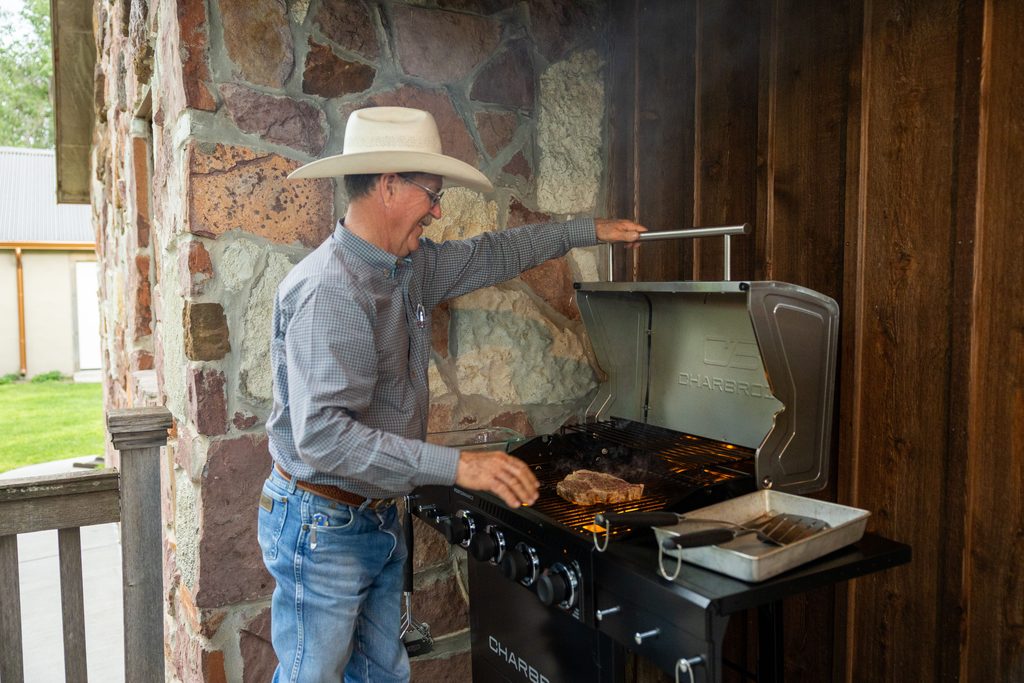
That shift in perspective has become central to his approach. He wants to produce beef that gives consumers more reason to choose it over competing protein sources. He said the answer to that is marbling.
“You’ve got to have that marbling in order to get that flavor, to have those good eating experiences,” Jett said.
As the beef industry continues to develop tools for measuring carcass quality and genetic potential, Jett sees opportunities for producers to capture more value by making beef quality a priority throughout the production chain.
For the Jett family, the CAB award recognizes progress made over generations, but it is not the finish line. Jett remains motivated by evaluating each calf crop, studying the results and finding ways to improve on the previous year.
“I used to get excited about seeing calves born,” he said. “Now I’m excited to see them harvested and see how much improvement we made over last year. I’m having as much fun raising beef right now at my age as I ever had when I was raising cattle.”
Lacey Vilhauer can be reached at 620-227-1871 or [email protected].