For many livestock producers, leasing pasture provides an opportunity to expand without the expense of purchasing land. For landowners, leasing can provide income while ensuring the property remains actively managed. The most successful arrangements, however, are built on more than just a rental rate. They depend on clear communication, realistic expectations, and a well-crafted lease agreement.
A common misconception is that pasture leases only need to address payment. In reality, some of the most important lease discussions involve management responsibilities. Written agreements should clearly identify who is responsible for maintaining fences and water systems, controlling weeds, monitoring pasture conditions, and caring for livestock. These details help prevent misunderstandings and protect both the landowner’s investment and the tenant’s operation. Written agreements encourage detailed discussions and provide a valuable reference if questions arise later.
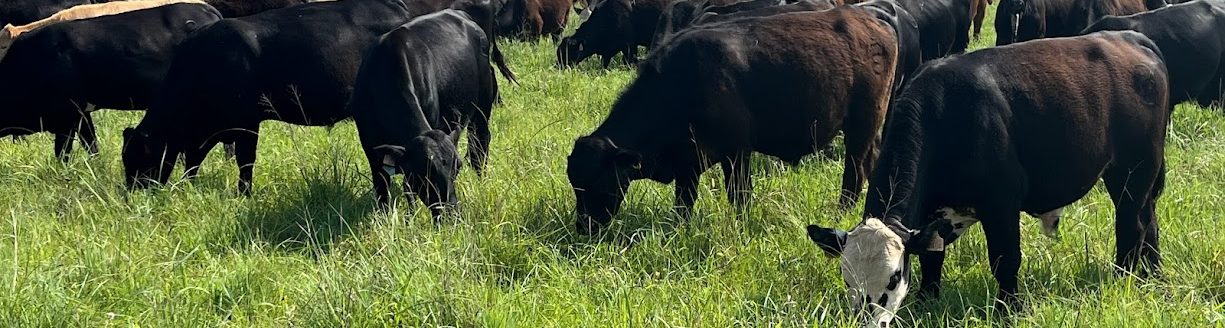
Stocking rate is another critical component of a pasture lease. Beyond the lease rate itself, stocking rate may be the most important factor influencing pasture condition and long-term productivity. A written agreement should specify the type and number of animals permitted. Clearly defining stocking rates helps avoid conflicts and encourages sustainable grazing management.
Pasture conditions can change quickly due to weather and other unforeseen circumstances. Drought, water shortages, storm damage, or forage failures can all affect the value of a grazing lease. Effective lease agreements anticipate these possibilities and establish a plan before problems occur. Questions such as who supplies emergency feed or water, whether livestock must be removed, and how rent adjustments will be handled should be addressed in advance.
Determining a fair rental rate is also more complex than many people realize. Local supply and demand, pasture productivity, water availability, location, landowner services, and current market conditions can all affect value. While cash leases remain common, some arrangements use share agreements that allow both parties to share risks and rewards. Regardless of the method used, an equitable lease should recognize the contributions and costs incurred by both the landowner and livestock owner.
Perhaps the greatest benefit of a written lease is that it creates a framework for communication. Annual reviews provide an opportunity to discuss concerns, evaluate pasture conditions, and adjust terms when needed. Good landlord-tenant relationships often depend as much on regular communication and mutual understanding as on the written document itself.
Landowners and tenants interested in learning more are encouraged to mark their calendars for the upcoming Ag Land Leasing Workshop Series to be held in Parsons. More information will become available within the next month. Sessions will be held Jan. 20, Jan. 27, and Feb. 3, covering:
- Land Lease Fundamentals and Types of Lease Arrangements
- Legal Considerations in Agricultural Land Leasing and Key Components of a Written Lease Agreement
- Best Practices for Lease Negotiation and Maintaining Strong Landlord-Tenant Relationships
These workshops are designed to help both landowners and tenants develop lease agreements that are fair, practical, and beneficial for years to come.
For more information on grazing management or leasing arrangements, contact Wendie Powell, Livestock Production Agent, (620) 378-2167, [email protected].
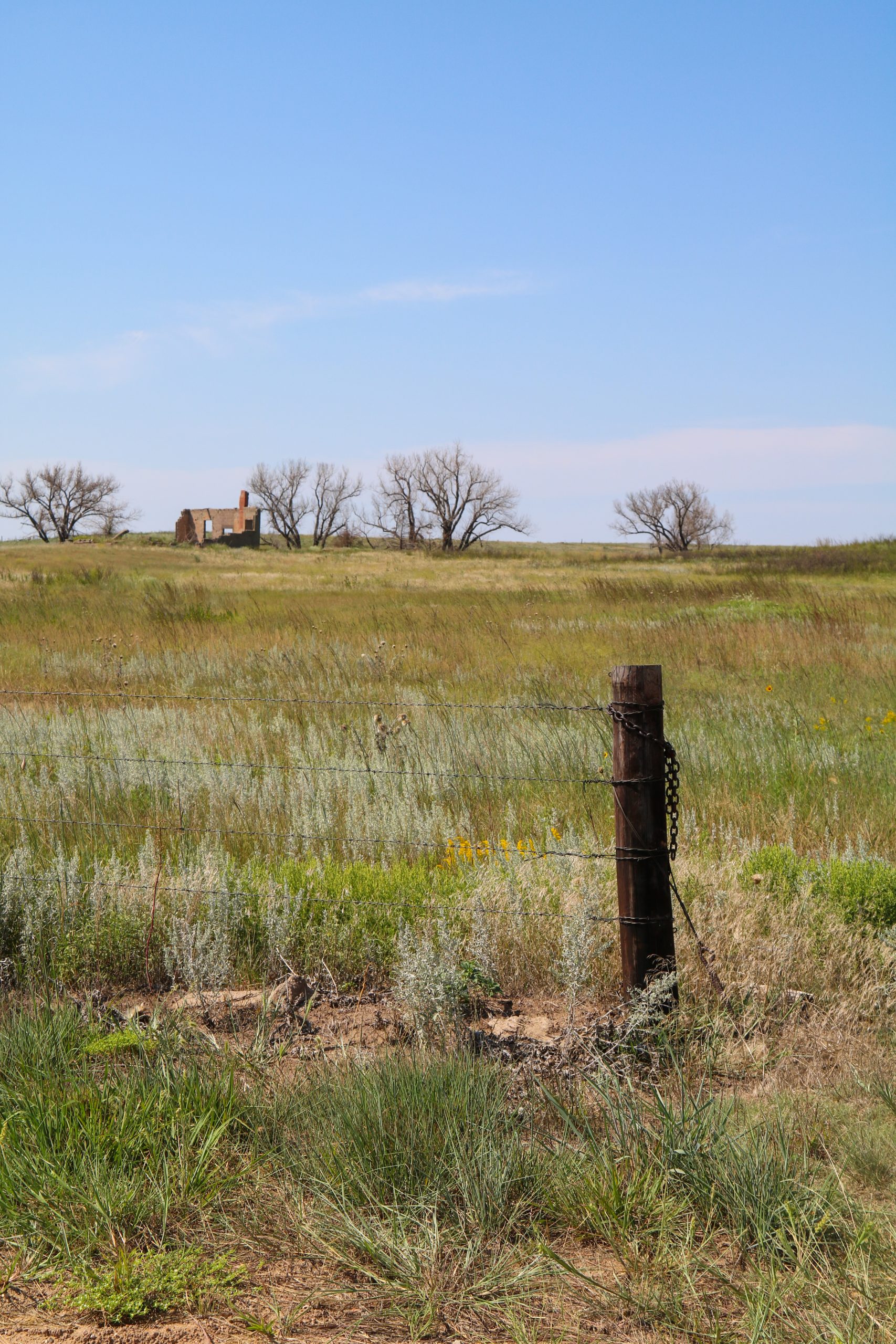
PHOTO: Fence post and pasture scene (Journal photo by Kylene Scott.)