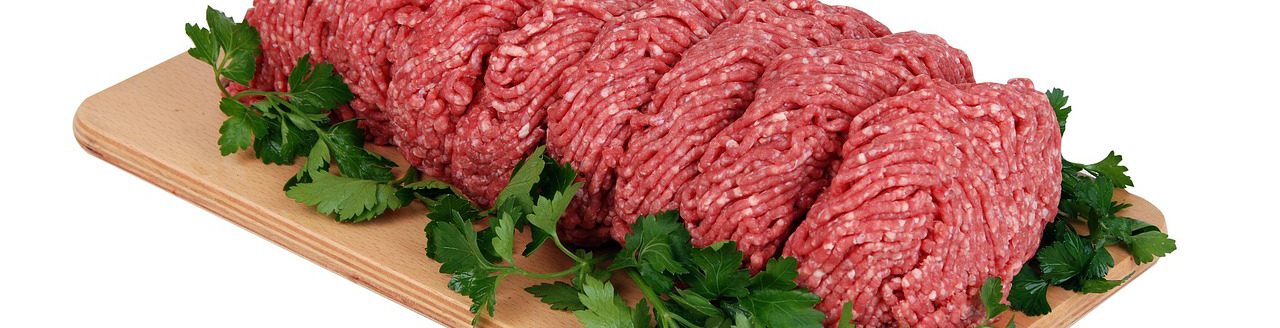
Trump considers lowering beef prices with more imports from Argentina
Over the weekend, President Donald Trump made remarks to reporters in reference to general inflation and high beef prices at the supermarket. He stated he was considering intervening to lower prices by importing additional beef from Argentina. The Bureau of Labor Statistics reports that the average cost for ground beef was $6.31 a pound in August, a 14% increase since January 2025.
Many in agriculture have reacted to these statements with fear and concern for the effect it could have on cattle prices for ranchers—a bright spot in an otherwise dismal financial outlook for agriculture right now.
“NCBA’s family farmers and ranchers have numerous concerns with importing more Argentinian beef to lower prices for consumers. This plan only creates chaos at a critical time of the year for American cattle producers, while doing nothing to lower grocery store prices,” said National Cattlemen’s Beef Association CEO Colin Woodall. “Additionally, Argentina has a deeply unbalanced trade relationship with the United States. In the past five years, Argentina has sold more than $801 million of beef into the U.S. market. By comparison, the U.S. has sold just over $7 million worth of American beef to Argentina. Argentina also has a history of foot-and-mouth disease, which if brought to the United States, could decimate our domestic livestock production.”
American Farm Bureau President Zippy Duvall released a statement, reiterating the overall low prices hitting farm families hard right now, and the need for a strong cattle market.
“We know America’s families face challenges when food prices rise, but it’s important for President Trump to remember that farmers are facing an economic storm as well, and a vibrant U.S. cattle herd is at stake,” Duvall said. “Many of America’s beef farmers have operated in the red for several years. Adverse weather and low prices drove cattle herds down to levels not seen in decades. Weakened cattle prices are the last thing needed in farm country, where farmers are being paid historically low prices for crops across the board while expenses remain high.”
An economist’s take on the situation
Agriculture’s response to Trump’s statement has been negative, but would his strategy even have an effect on beef or cattle prices? David Anderson, professor and Extension specialist of livestock and food product marketing at Texas A&M University, gave his perspective from an economist’s point of view and what agriculture could expect.
“We already import beef from Argentina, but our imports from them this year are only about 2.1% of our total beef imports, and they just don’t have that much beef that we could import that would materially affect prices at all,” Anderson said. “We’re importing record amounts of beef already, and we still have record high prices.”
Anderson said most of U.S. beef imports come from five main countries—Brazil, Australia, Canada, Mexico, and New Zealand.
“Brazil is the biggest, but we’ll get a bunch from Brazil one month, and then it’s down the next month, and that has to do with tariff rates and quotas,” Anderson explained. “There are other countries as well, like Nicaragua and Uruguay, but Argentina in that mix is very small.”
Anderson said the federal government shutdown has made the most recent import data unavailable for analysis, but he believes the additional 50% tariff on Brazilian products has led to a significant reduction in beef imports from that country.
“Maybe on the margin, we get a little more from Argentina, but it’s not going to be nearly enough to offset what we were getting from Brazil,” he said. “If you brought down beef prices, that has an effect on cattle prices eventually, but it’s not going to be enough beef to matter at all in any of this. I don’t think it will affect wholesale beef prices or cull cow prices.
“The other thing is, the majority of our imports are lean beef trimmings to make ground beef so if you think about that, if we were to import a little more from Argentina, it’s more of a cull cow market, rather than calves that are going to go to feedlots, and to a meatpacker and become a steak. My takeaway is, I’m not sure we should get too excited, worked up or mad. I don’t think it’s the end of the world if it happens, and I don’t think we should expect some wave of Argentine beef that’s going to show up here and drive down our prices.”
High prices: How did we get here and where are we going?
Cattle producers have been enjoying high prices for quite a while now due to a combination of factors like widespread drought, which led to herd liquidation and historically low cattle numbers. Additional factors, such as the threat of New World screwworm in Mexico and general financial struggles in the agriculture economy, have slowed the rebuild.
“We’re producing less beef in the U.S., and I think that’s really an important factor in high beef prices,” Anderson said. “The second thing is that we continue to have very good beef demand because we’ve got a product that people want to buy, and even as supplies contract and the price goes up.”
Inflation does not just affect the consumer; it is also felt by the cattle producer and record high cattle prices at the sale barn are a product of inflation as well.
“Often, we’re talking about those in terms of nominal dollars, rather than adjusted for inflation, but part of these high prices is increasing costs of raising beef from where it’s produced to where we as consumers buy it. Those costs are higher, whether it’s labor, fuel, energy, and interest rates, so calf prices are higher.”
Anderson does not see evidence of a big herd expansion taking place right now to truly begin the rebuild. Although some producers are holding back heifers, many others are continuing to sell and take advantage of the sky-high prices.
“I can take that big check for my heifer today, or I can take the calves I’m going to sell from her production over her life in the future,” Anderson said. “For a lot of people, the check in hand today is better than the future and that’s kept us from expanding.”
The question is when all the incentives will fall into place for producers to expand their herds, he said.
Allowing markets to work themselves out
The prices beef producers are enjoying have been long awaited, and it is best to let the market adjust without correction, Anderson said.
“This is a case where we’re better off just letting the market work itself out,” he said. “Eventually, ranchers will be able to expand their herds in response to these high prices, and then we will have less production, and they’ll get lower prices, and that’s really how this works. Particularly for cow-calf producers, it’s about time when we’ve had prices like this. They’ve gone through a lot of years of terrible prices, rising costs, lack of profits, and drought. This is the time that they get to recoup those losses. Let’s not screw this up.”
Furthermore, the consumer demand is propelling the cost of beef, and as they set the price, the industry should listen. There are other protein options at the grocery store, and if they continue to buy beef, the price is not too high unless there is a reduction in demand.
“The price is what the market is bearing today for the supply and the demand,” Anderson said. “Consumers really don’t like high prices, and they always want prices to come down. Cattle producers always want prices higher, but that’s what makes markets work. These high prices are the market at work, giving us a signal. It’s telling consumers to buy less, it’s telling producers to make more, and that in its given time for markets to adjust means lower prices in the future.”
Although inflation is a concern for many in America right now, interceding into a complex market like the beef industry might not have the desired effect, and could create new problems instead.
“I think we intervene in a lot of markets, and a lot of times there are good reasons to intervene like when we have a market failure,” Anderson said. “Monopolies, for example, are market failures. But we really don’t have a market failure happening in this case. This is a market at work, and so I think it’s harder to make a case for intervening in this market, even though some folks might want lower prices for consumers.”
Lacey Vilhauer can be reached at 620-227-1871 or [email protected].
(Photo from Pixabay.)
Related coverage and resources
- Related on HPJ: Trump’s idea to import Argentina beef panned by industry
- Related on HPJ: President Trump seeks investigation into meat packers
- Outside resource: USDA ERS — Cattle and Beef