Whole Milk for Healthy Kids Act clears hurdle
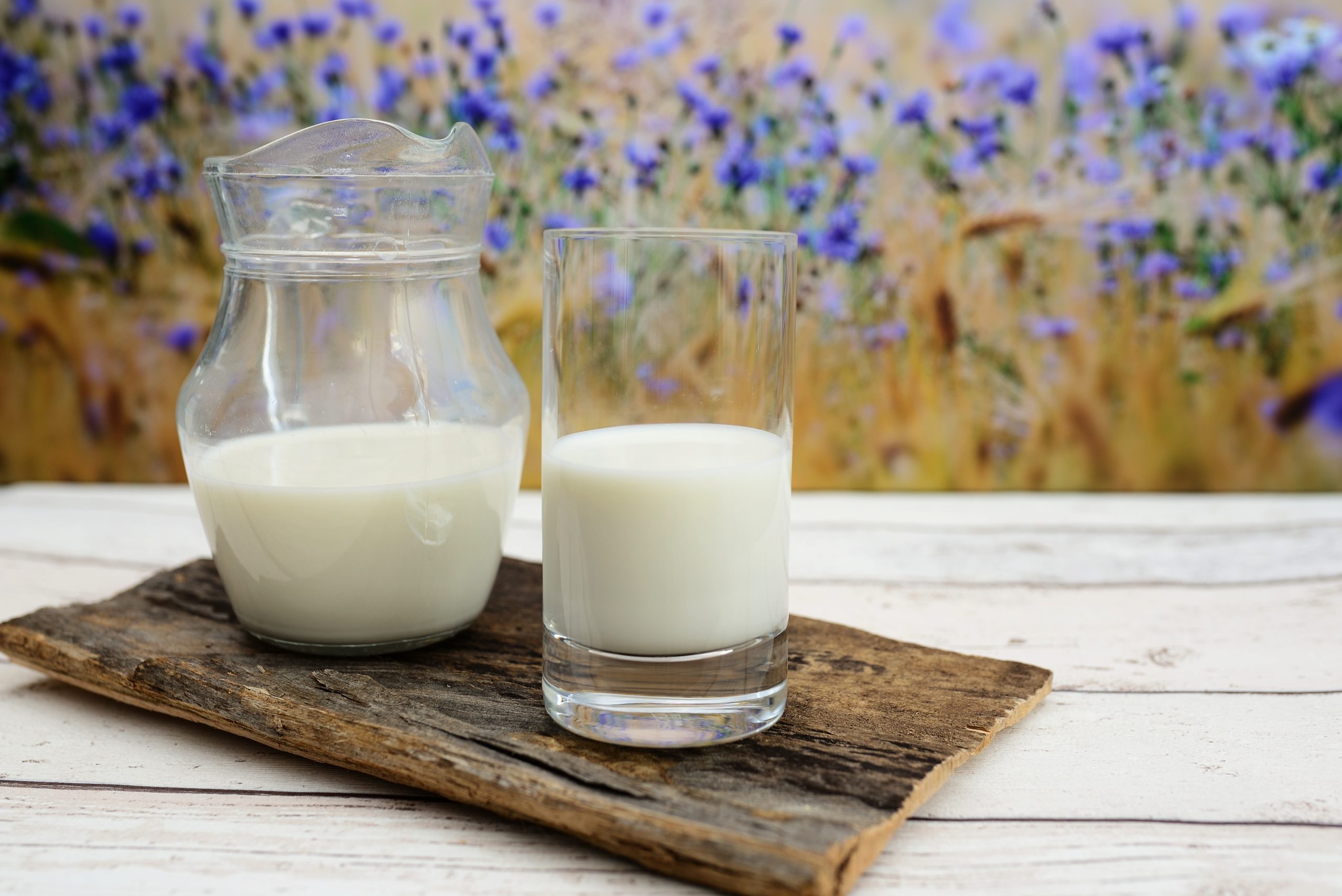
The Whole Milk for Healthy Kids Act was approved Dec. 15 in the U.S. House of Representatives and legislation is expected to be signed by President Donald Trump.
The act clears the way for whole milk to be made available in schools again. The U.S. Senate has already passed the measure.
Daniel Munch, an economist with the American Farm Bureau Federation, said the act would amend the National School Lunch Act so that schools may offer whole milk, 2% milk, 1% milk, fat-free milk, flavored or unflavored. The change doesn’t mandate whole milk.
“It simply restores the option for schools to serve that if they choose, and it also expands demand for butterfat in the dairy industry, which boosts prices during a time of acute need,” Munch said.
National Milk Producers Federation President and CEO Gregg Doud said the Whole Milk for Healthy Kids Act represents nourishment of American schoolchildren.
“Since 2012, when federal nutrition rules took whole and 2% milk out of school meals programs, dairy farmers and their cooperatives have pointed out the flaws in that decision, which wasn’t aligned with consumer choice,” Doud said. “What was true then became even more true in years to come, as newer research consistently showed the value of milk at all fat levels and consumers moved even further toward fuller-fat varieties in their purchases.”
Doud praised House Ag Chairman Glenn “GT” Thompson, of Pennsylvania, and U.S. Rep. Kim Schrier, of Washington, for championing the most recent version of the bill and many other lawmakers who worked in a bipartisan manner.
Thompson said the bill corrects a wrong-headed approach that demonized milk, but now that can be righted.
“Nutritionally it is overdue for our kids, it’s good for dairy farmers and our rural communities,” Thompson said in remarks given to the American Dairy Coalition’s annual meeting.
He said the decision to take whole and 2% milk out of schools in 2012 meant that nearly a generation of young adults were not introduced to the taste and nutritional value of milk for their bodies.
The National School Lunch Program serves nearly 30 million students daily and accounts for about 7.5% of U.S. fluid milk sales, making its standards influential, Munch said. In 2012, the U.S. Department of Agriculture rules under the Healthy, Hunger-Free Kids Act restricted school milk to fat-free or 1%, banning whole and 2% options. Later updates allowed 1% flavored milk, but higher-fat varieties remain prohibited.
“The next step, after a presidential signature, is implementation,” Doud said. “We pledge our fullest support to federal officials and school districts across the nation to help with implementation of this important legislation.”
Once the bill is signed, the USDA, through its Food and Nutrition Service, will issue updated guidance and regulations that reflect the new statutory authority, Munch said. Individual school districts will then decide if and when to offer whole milk or 2% milk in their cafeteria menus. Many school districts adjust those menus between semesters or on an annual cycle, so adoption could occur within the start of the new year or months later when they set up for next year.
The bill will provide an economic boost to farmers, said U.S. Sen. Roger Marshall, R-KS, who helped champion the legislation in the Senate. He said it could add up to $2 billion a year to the American dairy industry.
Dave Bergmeier can be reached at 620-227-1822 or [email protected].