A tough season has some soybean growers still deciding on what seed will give them the best chance to mitigate risks and hit on top-end yield potential in 2026. Besides challenging market economics, many growers continue to manage extreme field variability across their soybean acres, especially as shifting weather patterns, changing disease and insect pressure, and uneven soils can create wide swings in performance across a single field.
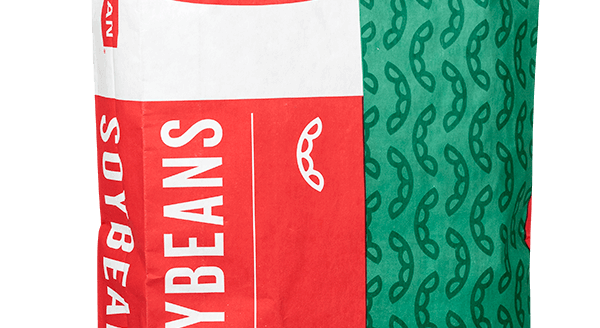
CROPLAN Seed, Arden Hills, Minnesota, developed WinPak soybean varieties as a unique solution for growers in this exact situation. WinPak products combine two complementary soybean genetics in one bag, giving growers a balanced option for fields with both high-producing zones and tougher acres.
“Growers tell us they want soybean products that can help them mitigate the variability they see every day across their fields, but they don’t want to give up top-end performance to get it,” said Robert Cossar, seed innovation experience manager at CROPLAN Seed. “WinPak varieties were built to solve exactly that problem.”
WinPak products are available in today’s top-performing traits, including Enlist E3and XtendFlex soybeans. In WinField United Answer Plot trials, these varieties have outyielded the same individual component varieties by nearly 1 bushel per acre.
“Answer Plot locations are intentionally chosen for low variability and, as a result, tend to be lower-stress, high-yielding environments,” explained Cossar. “This advantage on high-performing acres signals that when growers plant these varieties on stressed acres, they gain resilience without sacrificing top-end potential.”
How WinPak varieties are selected and proven with research
WinPak pairings are designed to complement one another across key agronomic traits, including disease tolerance, canopy type, stress response, standability and yield potential. Maturities are also matched to support a consistent drydown in the field to help with harvest timing issues.
A typical pairing may combine a variety built for tougher soils with strong white mold tolerance and a narrower canopy with a higher-yielding variety for productive zones featuring excellent frogeye leaf spot tolerance and a bushier canopy. These combinations are validated through extensive Answer Plot testing, ensuring the pairings perform well together in real-world conditions.
“Testing in Answer Plot locations also helps us test and determine what varieties will pair best together,” Cossar said. “When growers plant them in their fields, we can be more confident that they’ll protect yield performance because of this rigorous testing.”
For more information, see a local ag retailer or visit CROPLAN.com.