Red meat consumption is trendy, but…
As we sit here ringing in the year 2026, it seems wise to take a moment and consider the biggest agricultural news story for 2025.
To me, without question, it is the beef business. Cattlemen finally have the opportunity to get a price for cattle that is needed to match the ever-growing costs of production. For the record, most of that cost is land and taxes. We also learned that one statement from Washington can create a tremendous amount of anxiety despite the fundamentals of the market. But there is more to this red meat story than just beef.
As we talk about red meat, let’s also discuss lamb for a moment because it is going to fit into the discussion later regarding available grazing acres. I have long lamented that it is sad our lamb consumption has been less than 1 pound per person annually in the United States for quite some time.
However, there is some good news as experts are projecting that consumption has increased ever so slightly (8%) in the past 12 months for the fourth consecutive year. The problem with that scenario is that nearly 75% of the lamb consumed in the U.S. is imported.
In other positive news, pork is really moving and shaking. The data suggests that breeding inventory is slightly lower although litter size and larger carcass weights have pork production slightly above beef at about 28 billion pounds. We produce 26 billion pounds of beef per year and consume nearly 29 billion pounds, making up the difference with imported product.
To me, the real story here in the pork business is that we’ve made great strides in quality from the pale pork we produced during the past decade. Much more attention has been paid to eating quality rather than just focusing on growing a lean product. David Newman, CEO of the National Pork Board, emphasized on Trent on the Loos that pork is red, not white, meat. The new promotion slogan they have adopted is: “Taste what pork can do!”
Pork is in a great position because an improved eating experience combined with higher beef prices will drive the consumer to shift protein budgets to pork. Pork prices are expected to increase by only about 1% at retail in 2026. There is discussion about bacon increasing by 18%, which tells you that pork loins and shoulders will continue to be a great buy in the grocery store.
Now for my take on the cattle business. We have all been told that the “drought” has caused a severe reduction in cattle breeding inventories and that has led to a shortage of beef supplies. Yes, there has been widespread drought throughout the country for quite some time. I contend the drought has not been any more severe than droughts of the past. So why the lower cattle inventory?
It’s simple: Grass is leaving production of feed for grazing animals.
The University of Illinois FarmDoc Daily report shares the data from 2017 to 2022 courtesy of the U.S. Department of Ag Census. The report shows that 75 million acres of land, once in farming and grazing, have been removed from that use. Within those 75 million acres, 88% is pastureland. The total amount of pastureland has decreased by 13% through 2022 and continued to leave at a rate of 2 million plus acres each year since then.
While the West and East are really drivers in those massive numbers, even the Great Plains lost 32 million acres through 2022. We all know that has accelerated through 2025 with government incentives for alternative uses for grazing lands, which includes Conservation Reserve Program payments for pastureland.
While beef prices continue to capture headlines and the cattle industry needs to figure out where and how they fit in the food budget, add higher land costs into the mix and the real news story of 2025 may be “Where’s the land?” Sadly, I see most political campaigns gearing up to use China buying U.S. farmland for stump speeches, but actually it is our own federal government that is causing the most problems.
We need to look at the big picture and make some dynamic changes if we want to continue feeding the world as we head into 2026.
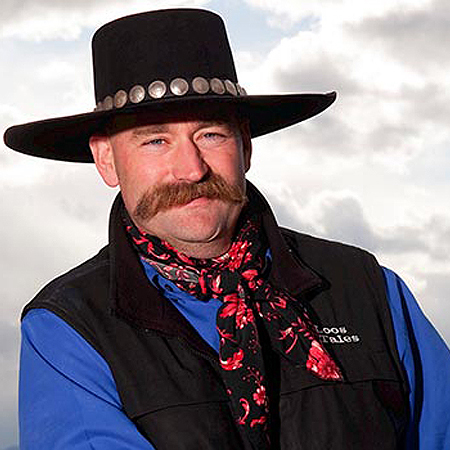
Editor’s note: The views expressed here are the author’s own and do not represent the views of High Plains Journal. Trent Loos is a sixth-generation United States farmer, host of the daily radio show “Loos Tales” and founder of Faces of Agriculture, a non-profit organization putting the human element back into the production of food. Get more information at www.LoosTales.com, or email Trent at [email protected].