HPJ Talk: Buck Wehrbein previews NCBA Convention and what ranchers should watch in 2025–2026
Conversations that move production agriculture forward.
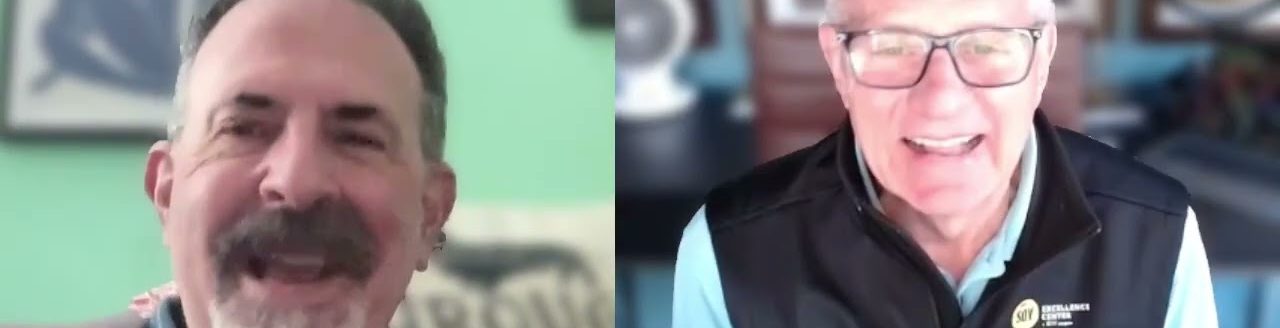
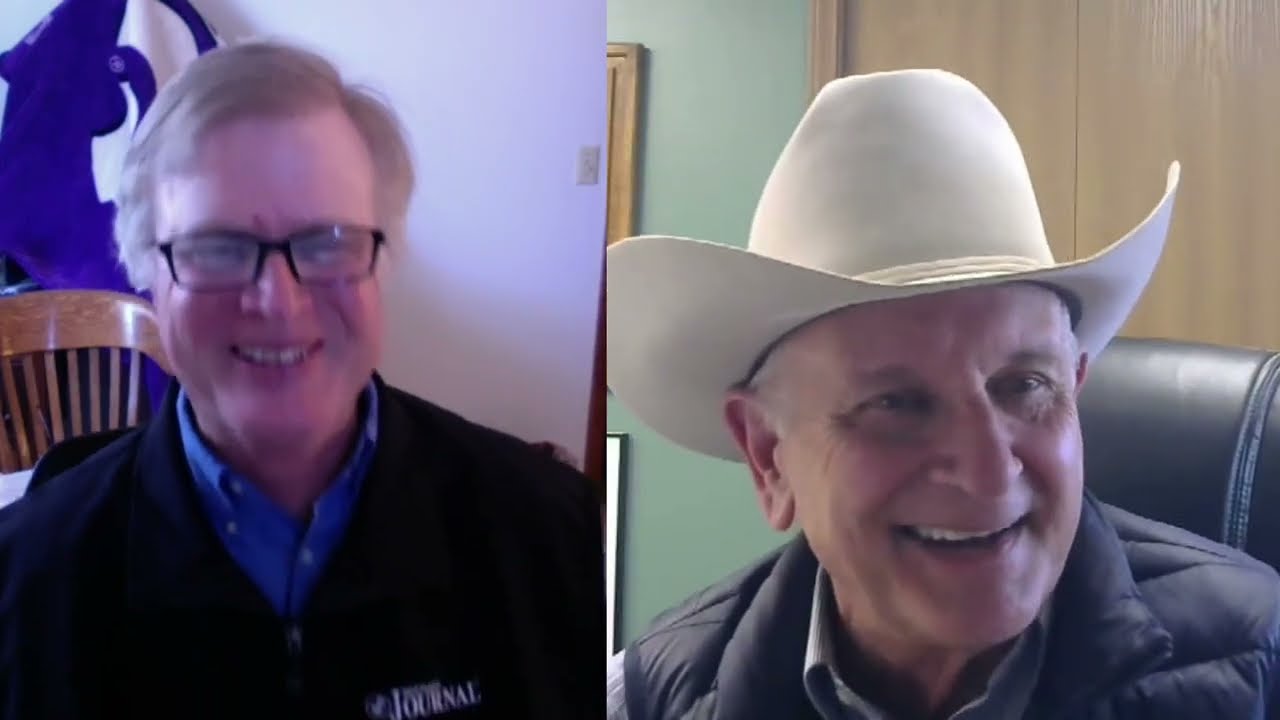
In this episode of HPJ Talk, High Plains Journal visits with Buck Wehrbein to preview the upcoming NCBA Convention and discuss key issues ranchers are watching as they plan for 2025 and 2026—and beyond.
Wehrbein’s story in the cattle business spans generations and regions, and his outlook blends on-the-ground feeding experience with years of association leadership. The conversation touches on market conditions, animal health concerns, policy priorities, and why NCBA’s grassroots process matters to producers.
A cattle industry journey: Nebraska, Texas, and back again
Wehrbein was born on a small farm in eastern Nebraska. With one grandfather a dairy farmer and another a cattle feeder, he says he’s been around cattle his entire life. In 1979, he and his wife moved their family to Texas, where he worked in large-scale commercial cattle feeding for two decades. In 1999, they returned to eastern Nebraska, where he has been based in Mead for more than two decades.
He describes the differences between regions simply: more large commercial feedyards in Texas and more “farmer feeders” and smaller yards in Nebraska.
Why he got involved—and why associations matter
Wehrbein traced his leadership path back to volunteer involvement—starting with Texas Cattle Feeders and later Nebraska Cattlemen and the Nebraska Beef Council. Mentors and a family example of service helped push him to “give back” to an industry he loves.
He strongly encouraged younger producers to get involved, saying representation—especially in Washington—is essential. Ranchers and feeders have enough to manage day-to-day, and having dedicated advocacy watching policy and regulatory developments is critical to preventing unintended consequences.
Market conditions: strong demand and resilient pricing
Wehrbein said the cattle cycle has created an unusually strong market environment, one many people wouldn’t have predicted. He emphasized that high prices ultimately tie back to consumer demand and beef quality—crediting decades of genetic improvement, animal husbandry, and producer effort, along with sustained demand-building work through the checkoff.
He also pointed to an interesting perspective from CattleFax-type analysis: while beef prices feel high, looking at purchasing power over time can change how the numbers look when compared to broader inflation.
The year in leadership: wins, surprises, and the issues ahead
Wehrbein reflected on how quickly the year turned from “maybe boring” to full-speed—highlighting screwworm as a major concern that arrived suddenly and demanded attention. He also discussed policy wins the industry has pursued, along with ongoing uncertainty that can ripple through markets.
What he hopes producers get from the NCBA Convention
Wehrbein said the NCBA Convention is valuable for three big reasons:
- People: reconnecting with friends, customers, and industry contacts
- Products: seeing new tools, services, and technology on the trade show floor
- Process: understanding how NCBA’s grassroots policy system works—from county and state affiliates up to national policy
He stressed that NCBA policy is built from the ground up and that leadership and staff operate from the policy book. He also noted educational opportunities available to registered attendees, including learning sessions like “Cattlemen’s College.”
Challenges ahead: animal health, predators, and packing logistics
The discussion returns to several issues ranchers are tracking:
- Screwworm: Wehrbein said the industry knows how to address it, but it will take resources and coordination, and it could be demanding on producers in affected areas.
- Predators and wildlife pressure: he flagged ongoing concerns with wolves and other pressures that can be costly for producers.
- Packing capacity and geography: he said total capacity may be sufficient given current herd size, but location matters. Changes can be disruptive for producers near affected plants, with freight and logistics impacts. New facilities coming online in different regions could help over time.
Herd rebuilding: likely slower, but with important context
On expansion, Wehrbein expects rebuilding to take time. High prices create incentives to sell, and higher interest rates make holding cattle more expensive. He noted that even with a smaller headcount, beef production hasn’t fallen proportionally as much as some might expect, which could influence the pace and scale of rebuilding.
Buck’s advice: enjoy the good markets, and get ready for the cycle
His message to producers was candid: enjoy the strong markets while they’re here, use the opportunity to improve financial health (including paying down debt), and prepare for the reality that cycles eventually shift.
And when asked his favorite way to eat beef, Wehrbein didn’t hesitate: a New York strip, medium rare, with fries—though he also gave a nod to a good sirloin.
HPJ Talk delivers conversations and training that move production agriculture forward—webinars, interviews, and deep dives for farmers, ranchers, and ag professionals.