New dietary guidelines put spotlight on gut health, protein and home cooking
The U.S. Department of Agriculture’s 2025-2030 Dietary Guidelines for Americans build on familiar advice — eat more fruits and vegetables, choose whole grains and limit highly processed foods — while sharpening the focus on how Americans cook, combine and choose foods for long-term health, according to a Kansas State University Extension nutrition specialist.
Priscilla Brenes, a nutrition and wellness specialist with K-State Extension, said the updated guidelines emphasize gut health, higher-quality protein and cooking skills that support healthier eating at home.
“We are seeing many similar things as before,” Brenes said. “But they’re also pointing out more gut health. They are increasing the amount of protein. The USDA is calling for high-quality, nutrient-dense proteins, and they’re prompting people on different cooking methods.”
Those methods — baking, broiling, roasting, stir-frying and grilling — reflect an emphasis for more home cooking, Brenes said, encouraging Americans to rely less on ready-to-eat and restaurant foods and more on meals prepared at home.
“If we start decreasing the amount of ready-to-eat foods we eat, or start eating out less, then we need to increase our skills on those cooking methods,” she said. “We need to pay more attention to what foods we are putting on our plates.”
Protein plays a central role in the new recommendations. The guidelines call for prioritizing high-quality, nutrient-dense protein foods at every meal, drawn from both animal and plant sources.
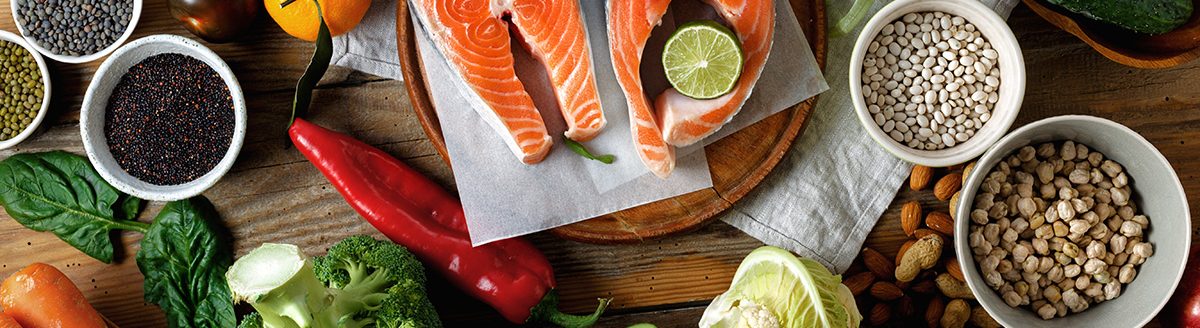
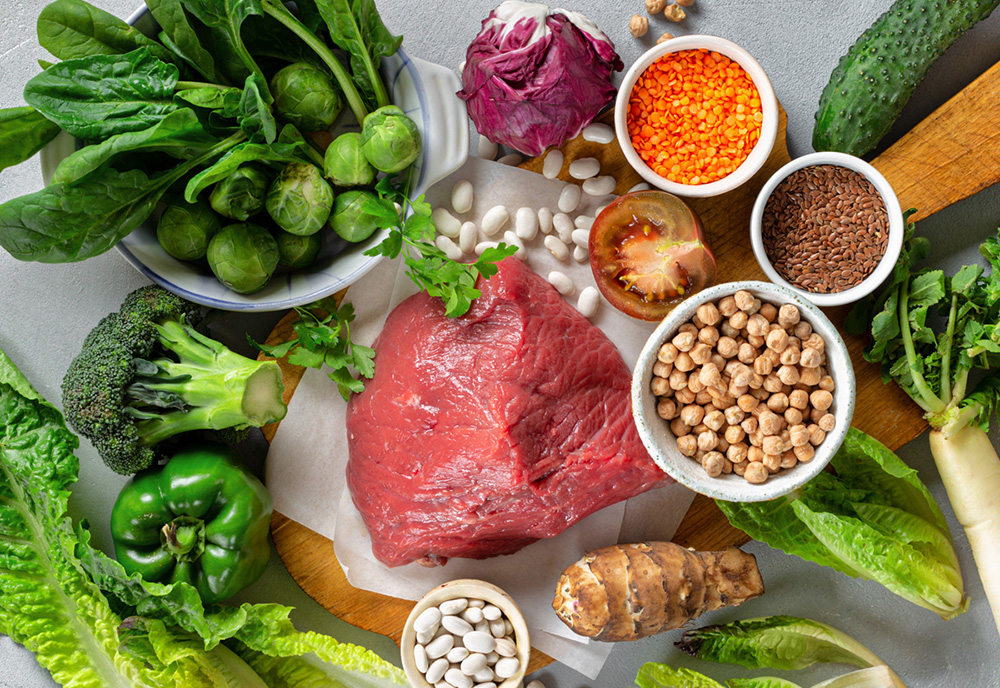
“In animal sources, we have eggs, poultry and seafood,” Brenes said. “In plant sources, we have peas, beans and lentils, and a combination of those throughout the day.”
When it comes to meat, the emphasis is on minimizing added sugars and refined carbohydrates while enhancing flavor with herbs and spices rather than heavy sauces.
The guidelines also highlight whole dairy foods without added sugars. “Dairy has a lot of good nutrients that we need,” she said, including vitamins D and A, which are fat-soluble, as well as B vitamins essential for brain and body function.
Even with full-fat dairy and higher protein intake, moderation remains key. The guidelines continue to recommend that no more than 10% of daily calories come from saturated fat, based on a standard 2,000-calorie diet.
A simple way to understand saturated fats, Brenes said, is to look at how foods behave at room temperature.
“If it’s solid at room temperature, like butter, it has a high content of saturated fat,” she said. “If it’s liquid at room temperature, like olive oil, it has more unsaturated fats.”
These new guidelines make reading nutrition labels an essential skill, especially for people managing conditions such as hypertension, cardiovascular disease, or diabetes. Brenes said K-State Extension agents and staff can help Kansans learn how to interpret labels and choose foods that fit their health needs.
Fruits and vegetables remain a cornerstone of the guidelines, with an emphasis on variety and color to maximize vitamins, minerals and antioxidants that support gut health. While fresh produce is preferred, frozen, dried or canned options can also work if they contain no added sugars and limited sodium.
Whole grains are another priority, providing fiber and essential nutrients. Brenes said consumers should look for grains that retain the bran, germ and endosperm, such as oats, quinoa, brown rice and whole wheat, and carefully read labels to ensure products truly contain whole grains.
The guidelines also call for reducing highly processed foods, which often provide excess calories from fat and added sugars without enough essential nutrients.
Alcohol intake should be limited, and sodium consumption should stay below 2,300 milligrams per day, with lower limits for some individuals.
Ultimately, Brenes said the dietary guidelines serve as a foundation.
“They are a base, and then we need to build from there,” she said, pointing to K-State Extension programs that teach cooking skills, meal planning and label reading. “We can help build healthier meals depending on people’s needs and their budgets.”
More information on healthy eating is available from local extension offices in Kansas.
PHOTO: Healthy eating and balanced nutrition ingredients clean food. (Adobe Stock │ #319077519 – kucherav)