Western states miss Colorado River deadline
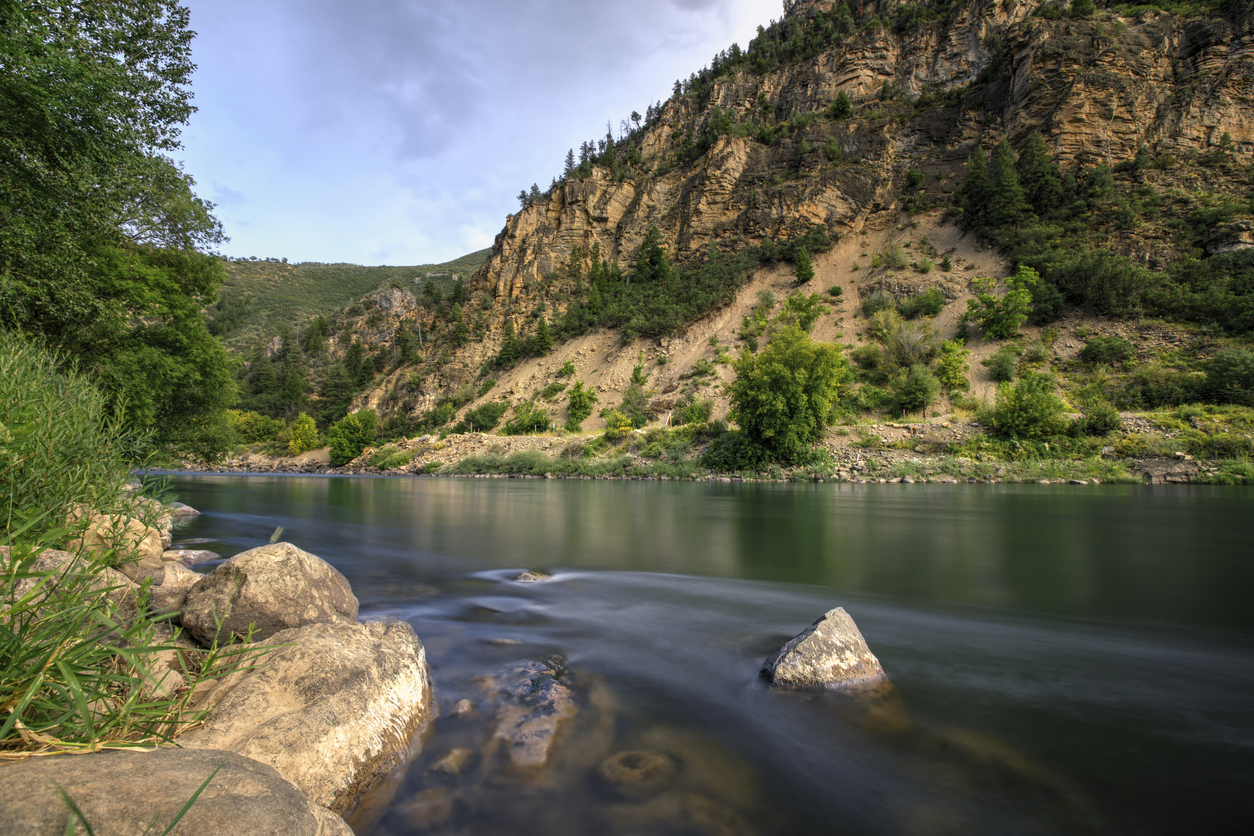
As record low levels of snowpack add urgency in what some weather sites are calling the “year without a winter” in the West, seven western states announced Feb. 14 they would miss a deadline to present a plan to the federal government on how best to share water from the stressed Colorado River, Reuters reported.
The U.S. Bureau of Reclamation, which plays a major role in managing the river, had previously set a Nov. 11 deadline for the states to produce a framework for an agreement. That deadline passed, and a second deadline calling for a detailed proposal was set for Feb. 14, but the states admitted a day ahead of time they could not reach a deal.
The second failure makes it more likely that the federal government may need to impose a water-sharing agreement. The states are trying to work out terms to regulate drinking water for 40 million people, the agricultural industry and the economies of major cities such as Los Angeles, Las Vegas and Phoenix. The current water-sharing agreement expires at the end of this year. The states of the Upper Basin—Colorado, Utah, Wyoming, and New Mexico—have been in conflict with the Lower Basin states, of California, Arizona and Nevada.
The Colorado River has been depleted for decades by growth, drought and climate change. Conservation and water-saving methods have reduced the per-capita water use of the states, with California, for example, seeing the lowest water-use rate in 2025 since 1949. Farmers have also been paid to reduce water usage for thirsty crops like alfalfa. But those efforts have not kept pace with population and industry growth.
Lower Basin states said Arizona offered to reduce its Colorado River allocation by 27%, California by 10%, and Nevada by nearly 17%. Upper Basin states said they were preparing for cuts that amounted to 40% of their proven water rights. But those states have not agreed to mandatory cuts.
“Meanwhile, our downstream neighbors are seeking to secure water from the UDS (Upper Division States) that simply does not exist,” the negotiators for Colorado, Utah, Wyoming and New Mexico said in a statement.
Without a long-term agreement, the federal government will be pressured to impose an agreement before the end of 2026, when the rules that manage the major reservoirs of Lake Powell and Lake Mead expire.
Current negotiations take place at a time of record low snowpack in the mountains, with Lake Mead and Lake Powell barely one-third full. As of early 2026, the entire western U.S. is experiencing a severe snow drought, with snow water equivalent in many regions falling below 50% of the 1991–2020 median by December 2025. Many western weather stations are measuring their lowest levels ever of snow water equivalent. Major deficits are in Washington, Oregon, Colorado, Utah, and Arizona, where more than 80% of SNOTEL stations are below the 20th percentile.
David Murray can be reached at [email protected].