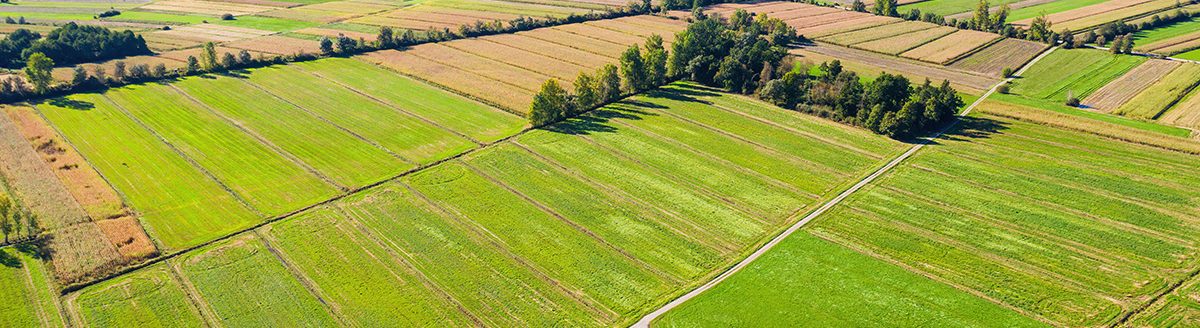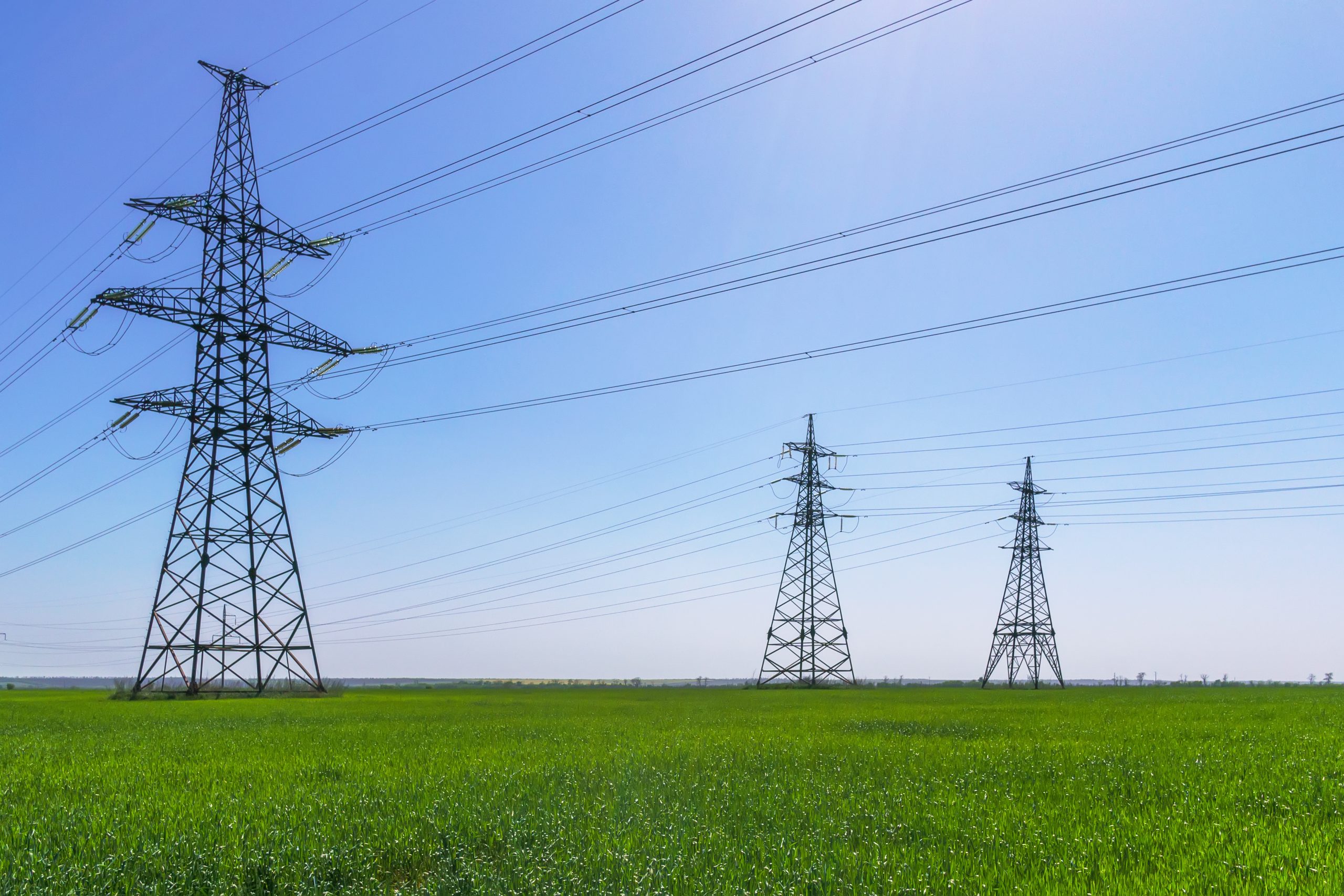
A small, but fierce group of landowners in the Sandhills of Nebraska, has been working for 12 years on a mission to Preserve the Sandhills. This group formed about 12 years ago as word got out that Nebraska Public Power District was planning a 345,000-volt transmission line to run for 250 miles through the heart of the Sandhills.
While a transmission line of that size would be bad enough, it is what will follow the transmission line that has everyone concerned. After 12 years of fighting for what is right, it is apparent that this battle will be coming to a head in June.
It came to my attention two weeks ago that the Nebraska Public Service Commission has on its June 23 agenda the approval of the R Project transmission line with a public comment period unless NPPD met all criteria to get automatic approval. The main component of the criteria is what percentage of the landowners in the path of the line have agreed to easements.
I was told on May 20 that 89% have signed. On May 27, I was told that the public hearing has been cancelled because 97% have now signed.
Strangely, I have talked to people in the path of this 250-mile beast and have not found one person who has signed in the past month. In fact, I find it hard to believe that over half have even signed it. Let’s pause for a moment about the permitting process and spend just a minute talking about why the Sandhills are pristine.
As one of the last large continuous grasslands, the Sandhills play a vital role in carbon storage within underground biomass, helping mitigate climate change while providing ecosystem services like erosion control and clean water production.
Dirac Twidwell, a professor of agronomy and horticulture at the University of Nebraska–Lincoln, led research with Rheinhardt Scholtz that identified the Nebraska Sandhills as the world’s largest remaining intact temperate grassland.
Using satellite imagery from NASA and the European Space Agency, their study found that the Sandhills are among only seven large-scale grasslands globally that remain mostly intact, with 95.66% of the region forming a connected core. Despite this global significance, Twidwell notes the Sandhills are the only major intact grassland without a formal international conservation strategy and face immediate threats from woody plant encroachment, particularly the eastern redcedar tree.
Twidwell advocates for the “Defend the Core” strategy, emphasizing that preserving these large, intact grasslands is critical for carbon sequestration, wildlife migration (such as sandhill cranes), and ranching cultures. He warns that without proactive conservation efforts, these ecosystems risk losing ground to human pressure and ecological regime shifts, similar to the widespread conversion seen in neighboring regions.
It is clear that 2026 is the year for the Sandhills to be challenged. Most of you know that in March more than 1 million acres burned in a number of very severe fires throughout western Nebraska. People who are not familiar with the sand don’t understand that unlike other places such as the Fint Hills of Kansas once the fire eliminates the grass on the top, the wind starts blowing sand like a snowstorm.
Today, ranchers are dealing with massive blowouts and really all it takes is a disturbance of the slightest kind and this will be the largest beach in the world without a body of water or a blade of grass to hold things in place.
Let’s call the bluff of the federal government once again. We are told that we need to mitigate carbon sequestration for the health of the planet. The landowners of Nebraska have been doing that since the late 1800s. Anyone who thinks that semi-trucks, construction equipment, millions of tons of concrete, massive electronic frequencies, steel, fiberglass and poison leaching solar panels delivered to Nebraska from China is a better example of healthy landscapes then there is just little hope for you.
Ruminants, grass, water and man have created something that is truly pristine and we don’t need someone setting in an office cubical in the land of concrete, condos and consumers to destroy it with an ink pen. Join us to Preserve the Sandhills.
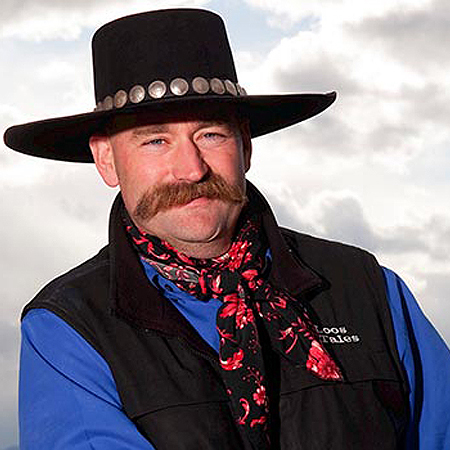
Editor’s note: The views expressed here are the author’s own and do not represent the view of High Plains Journal. Trent Loos is a sixth generation United States farmer, host of the daily radio show, Loos Tales, and founder of Faces of Agriculture, a non-profit organization putting the human element back into the production of agriculture. Get more information at www.LoosTales.com or email Trent at [email protected].
PHOTO: High-voltage power lines. High voltage electric transmission tower. (Photo: Adobe Stock │ #249982315 – yelantsevv)