Making the case for bagged silage’s impact on herd health
For bunkers, it is helpful to start with the fundamental premise: Properly stored and well-preserved silage retains more nutrients while reducing yeast, mold and mycotoxins that can cause digestive disorders, reduced feed intake, poor weight gain, lower feed efficiency, reduced immunity and weaker reproductive performance.
Fresher, more palatable feed also encourages more consistent, higher levels of dry matter intake, which increases digestibility, promotes weight gain, improves feed conversion, helps maintain body condition and contributes to better reproductive performance.
Collectively, these advantages can translate into stronger immune function, fewer health issues and more productive, resilient animals. These benefits are supported by a substantial body of research demonstrating links between feed quality, animal health and overall productivity.
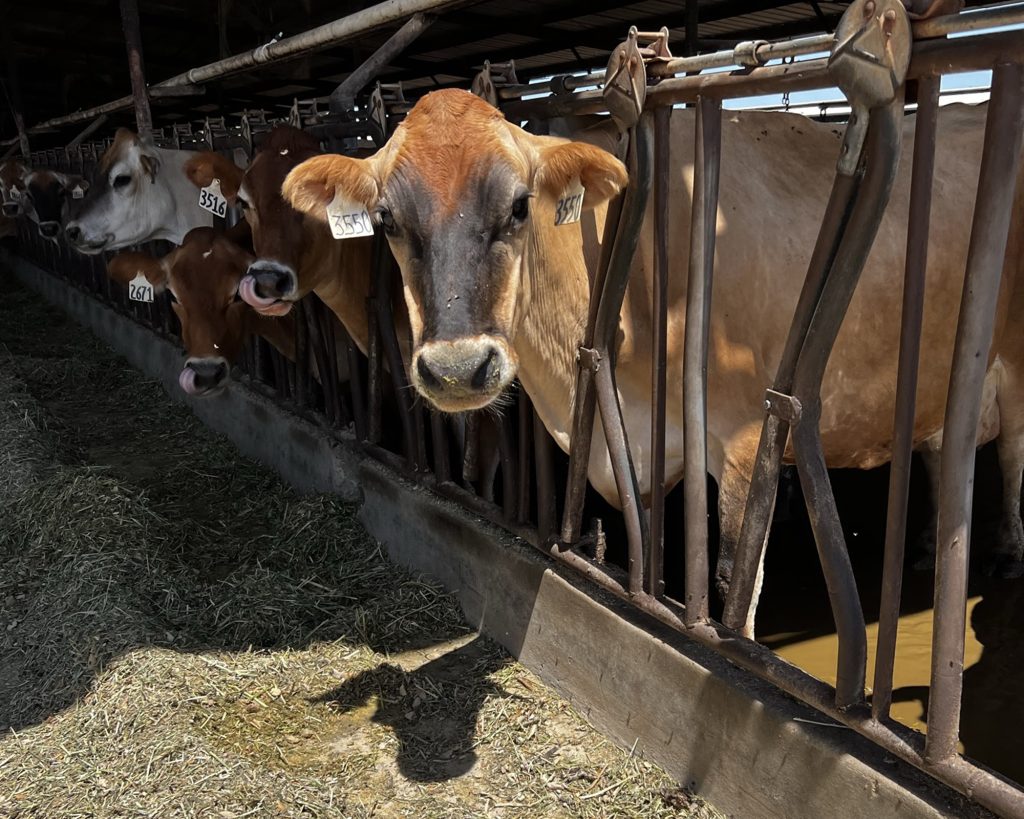
“As a home-grown food source, silage is a cost-effective, sustainable way to provide cattle with many of the nutrients and calories they need to stay healthy and productive,” said Mike Martin, a consultant with Homestead Nutrition Inc. in southeastern Pennsylvania.
The question, then, becomes how to achieve the highest-quality silage, and this is where bagged silage offers a compelling storage option.
When forage is harvested at the proper moisture level and the bag is filled, packed and sealed correctly, it creates and maintains an anaerobic environment. This supports efficient lactic acid fermentation and a rapid drop in pH, helping preserve nutrients while inhibiting spoilage. By limiting oxygen infiltration during storage and maintaining a relatively small feed-out face, bagged silage further helps preserve this stable environment and reduce conditions that contribute to spoilage.
In other words, bagged silage is more than another place to store forage. It is a storage approach designed around the conditions required to protect feed quality, preserve more of the crop’s nutritional value, keep feed fresher and more palatable and help animals maintain stronger intake, immunity, productivity and reproductive performance.
Proper storage means less mold and mycotoxins
According to Martin, dairies in his area typically feed corn silage along with rye, triticale and alfalfa haylage. Many of the smaller dairies, especially those with herds of fewer than 100 cows, store silage in upright silos or bags—or a combination of both—while larger operations are more likely to rely on piles and bunkers.
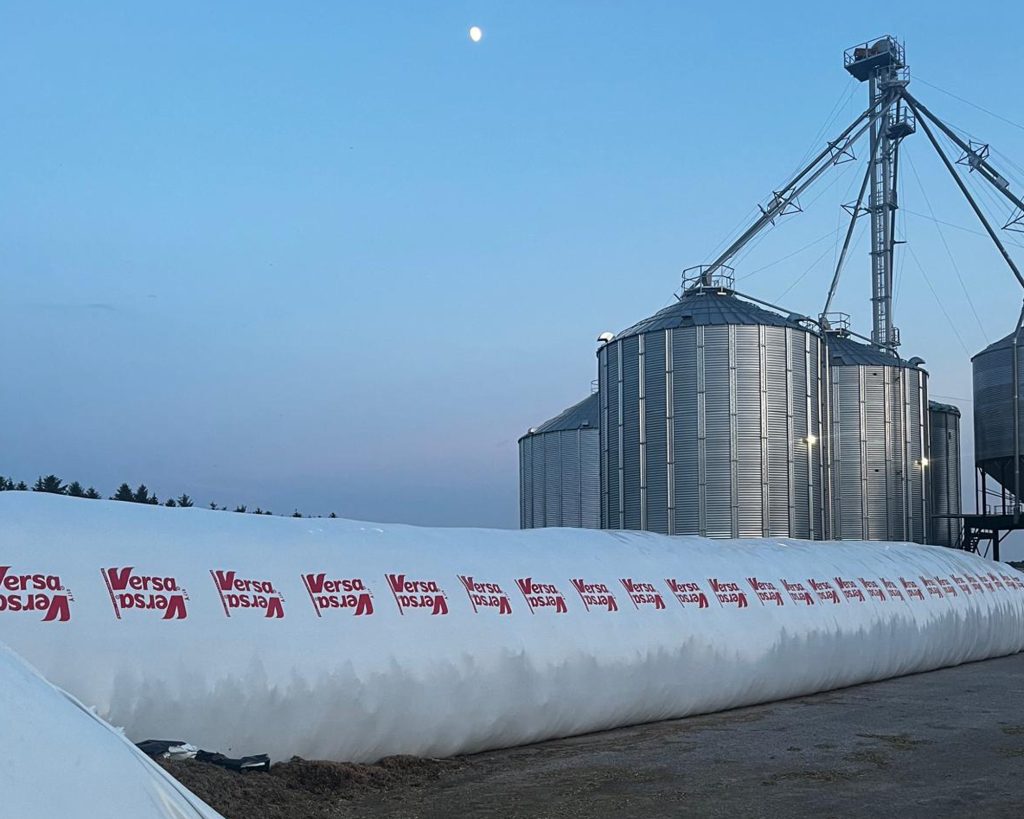
One of the main obstacles in producing silage using conventional methods such as piles, pits and bunkers is the considerable risk of spoilage and loss, which can amount to as much as 30%.
The problem with these conventional silage storage methods is excessive exposure to oxygen, which leads to rapid silage deterioration. The standard practice is to leave the open face of the pile, pit or bunker exposed for feeding, leaving hundreds of square feet vulnerable to deterioration.
“There tend to be problems with some mold on the top layer of a bunker, but a well-packed bag has very little mold if made correctly,” Martin said.
Because oxygen exposure is one of the primary drivers of spoilage, preserving silage quality depends on properly packing forage crops to create and maintain airtight storage conditions.
Among silage bagging equipment, packing is approached in various ways. Ideally, the equipment firmly packs the bag without overstretching it while gradually moving the machine forward as the bag fills.
Martin said he has seen clear differences in packing quality at dairies, and poorly packed bags are not uncommon.
In one case involving a Versa bagger, he said he was struck by how tightly the silage had been packed.
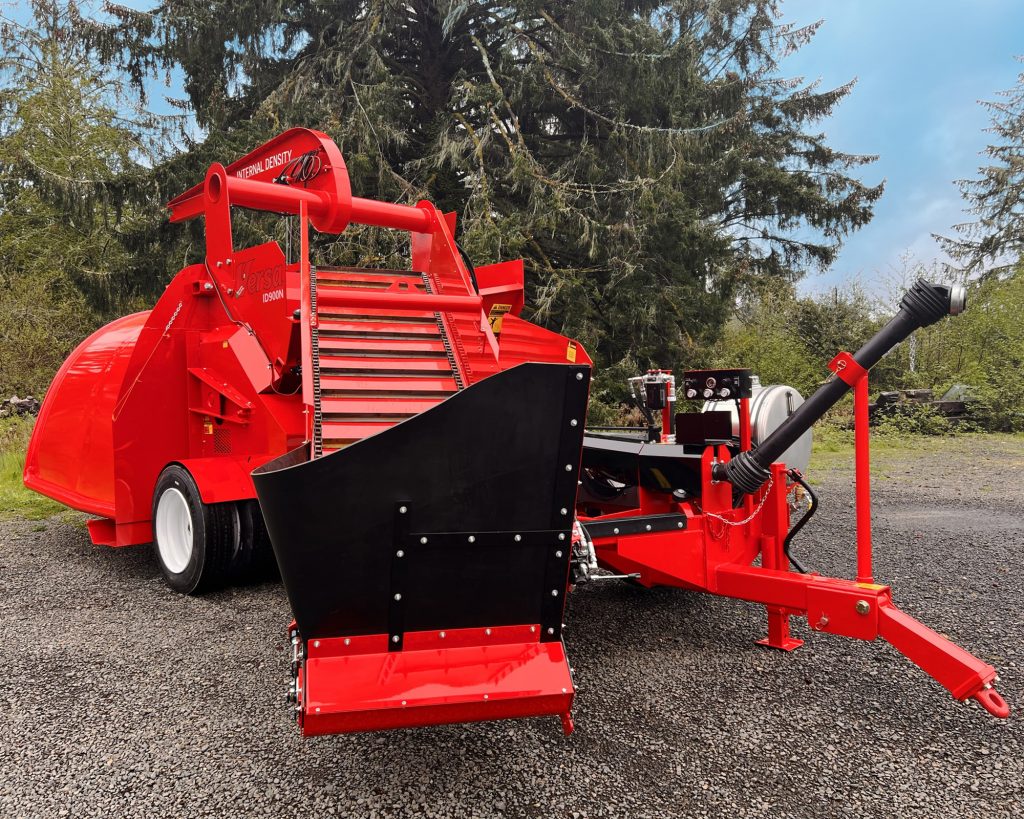
Astoria, Oregon-based Versa Corporation developed adjustable-density systems designed to facilitate tighter packing of longer silage bags, minimizing air pockets and spoilage while maximizing storage capacity.
The producer told him the skid loader acted like it was “digging into a concrete wall,” which Martin took as a sign that the packing was as it should be.
“The better you have the material packed, the less oxygen it is exposed to, and that is the name of the game with fermented feeds,” Martin said. He explained that oxygen allows mold to develop, and mold can lead to mycotoxins that negatively affect herd performance, including reproduction.
Less yeast and mold means more retained nutrients
Suppressing yeast and mold growth provides another important benefit. By limiting exposure to oxygen, the bagging process helps prevent spoilage organisms from consuming valuable carbohydrates and proteins, resulting in greater nutrient retention.
“Minimizing yeast and mold allows us to preserve more nutrients in the silage. The feed is more nutritious because we are not losing nutrients to those spoilage microorganisms,” said Keith A. Bryan, Ph.D., technical service manager for silage in North America at Novonesis.
Higher nutrient density can help reduce costs by lowering the amount of supplemental feed needed. When silage quality is poor, producers may need to provide additional concentrate to compensate for the forage’s lower feeding value.
Dry matter digestibility, or DMD, is a practical indicator of silage feeding value and usable nutrient density. The higher the digestibility, the more usable energy and feeding value cattle can extract from each kilogram of silage dry matter.
“A Teagasc review of grass silage feeding found that each 5-percentage-point rise in silage DMD increased beef cattle intake by 0.35 kilogram of dry matter per day, lifted live weight gain by 0.15 kilogram per day and carcass gain by 0.11 kilogram per day,” according to Teagasc.
Improved digestibility
Studies published in journals such as Animal Feed Science and Technology consistently demonstrate that high-quality silage supports more stable rumen fermentation. This stability is associated with improved fiber digestion, more consistent dry matter intake and a lower risk of metabolic disorders such as subacute ruminal acidosis.
A correctly managed silage bag produces higher levels of lactic acid, which enhances digestibility and improves nutrient absorption.
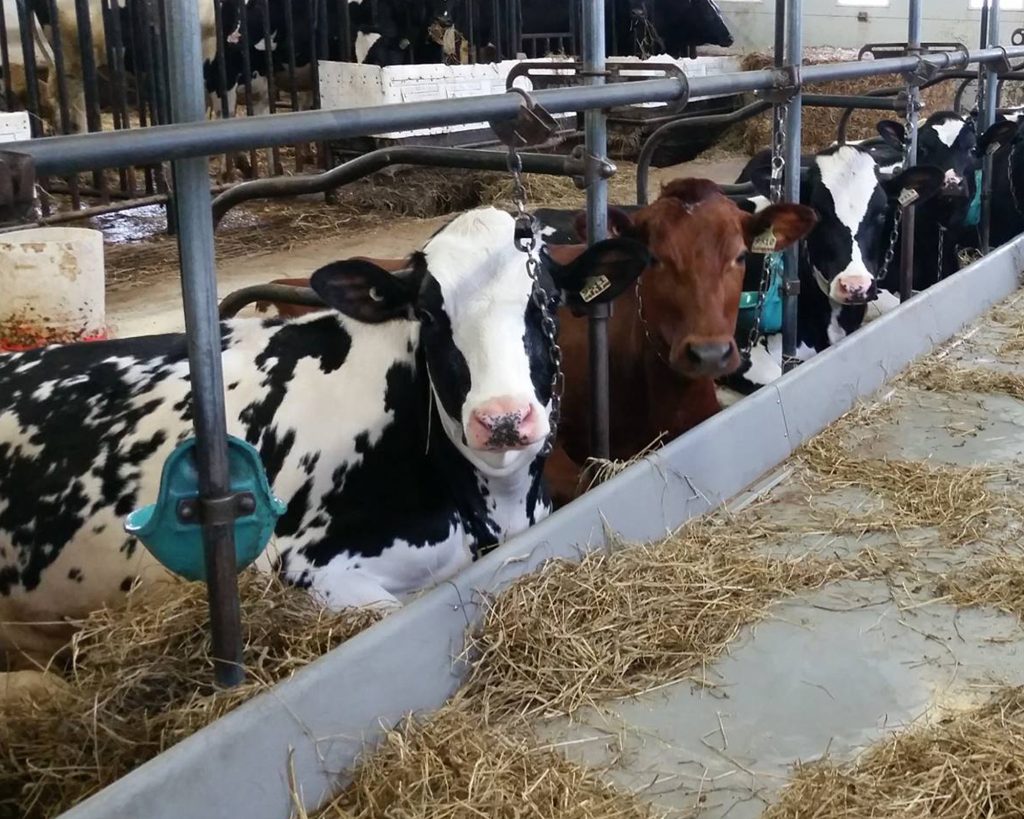
Martin said Homestead Nutrition’s silage recommendations are driven largely by laboratory results and available inventory. However, if the silage tests well and the farm has an adequate supply, he said it will make up the bulk of the diet. He places particular emphasis on digestibility, especially the 30-hour neutral detergent fiber digestibility, or NDFD, value.
A higher 30-hour NDFD value generally means forage fiber is more available, which is associated with greater dry matter intake than forage with a lower NDFD value.
“The more digestible that crop is, the more the cow is going to be able to eat,” Martin said.
Higher dry matter intake
Fresher, more palatable feed helps drive higher dry matter intake, allowing cattle to consume more usable energy.
The relationship between forage quality, intake and beef cattle performance is reflected in Nebraska Extension guidance on forage quality. Kacie McCarthy, Nebraska Extension cow-calf specialist, and Travis Mulliniks, former University of Nebraska-Lincoln beef cattle nutritionist, note that “As forage quality increases, the amount of forage cattle consume also increases,” adding that “animal performance can depend on intake of the forage.”
These intake and performance effects are also reflected in Teagasc research on grass silage quality for beef production. Joe Patton of Teagasc wrote that for growing and finishing cattle, “the target is to have silage at 72% to 74% DMD or higher.”
In a Teagasc Grange study of silages fed to growing cattle, Patton noted that “average daily live weight gain was much improved on the leafy silage,” with 75% DMD silage producing 0.83 kilogram daily live weight gain compared with 0.49 kilogram for 65% DMD silage and 0.31 kilogram for 60% DMD silage.
When cattle consume higher-quality feed with greater energy density, they require less feed to meet their nutritional needs. This can allow producers to reduce the amount of feed they must grow or purchase or support a larger herd with the same feed resources.
Bagged silage offers beef producers a practical way to protect forage quality by creating the anaerobic conditions needed for efficient fermentation. Once filled, packed and sealed, silage bags rapidly limit oxygen exposure, allowing fermentation to begin promptly and helping preserve dry matter, energy value and palatability.
The sealed environment also helps protect silage from weather-related challenges such as rain, surface moisture and prolonged storage, reducing spoilage risk and supporting more consistent feed quality over time. That consistency matters because properly fermented silage—marked by strong lactic acid production and a low pH—helps suppress yeast, mold and other spoilage organisms, reducing the potential for feed losses, mycotoxin exposure and associated herd health concerns.
While silage has long been stored in silos, bunkers, piles and pits, more beef producers are turning to bagging as a way to maintain fermentation quality and protect the value of their forage investment.
“If you’re not putting up proper good feed, it affects everything. It affects your bottom line. It affects your herd performance, everything,” Martin said.
For more information, see a representative or visit versacorporation.com.