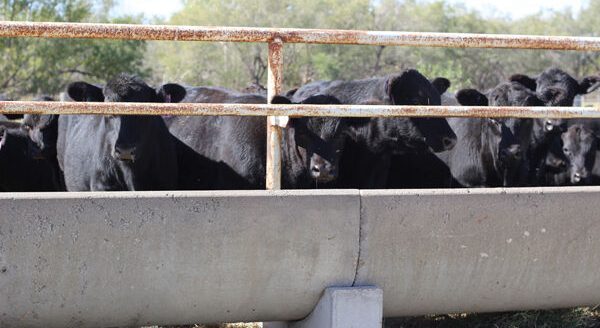
From bunk to gut: Digestive health a key to beef profitability
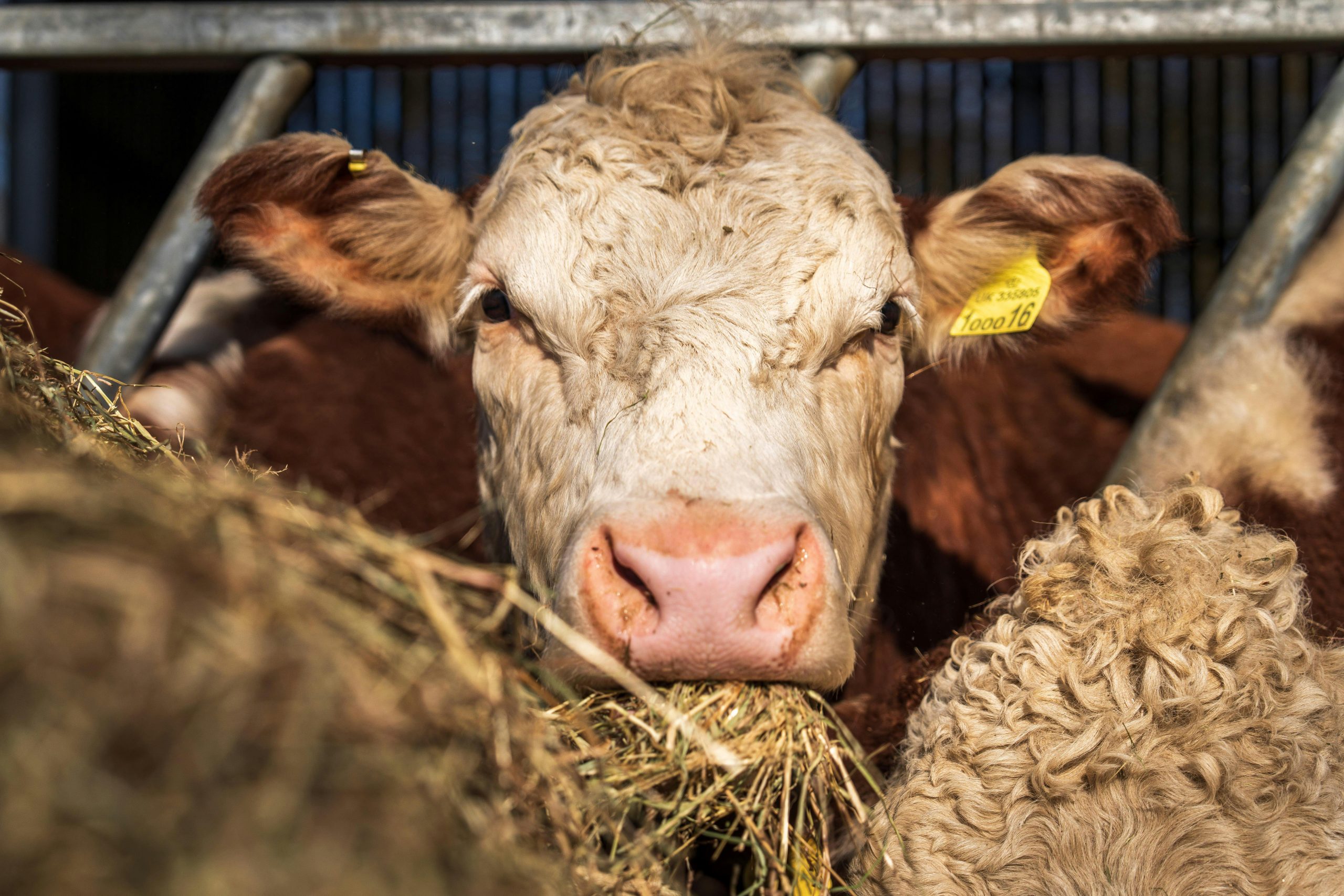
Walk through almost any grocery store or scroll through social media long enough, and it becomes clear that gut health has become one of the biggest trends in human wellness.
While some claims may outpace the science, researchers say gut health is the foundation of overall human health, and it’s the same when it comes to livestock. What happens inside the gut can have major consequences for overall health and performance.
For beef producers, the issue is less about trends, such as drinking kombucha or fibermaxxing, and more about economics. Subtle digestive problems that go unnoticed in a feedyard can quietly reduce gains, lower feed efficiency and affect profitability across an entire pen of cattle.
Gut health is animal health
Although often overlooked, poor gut health can lead to conditions such as ruminal acidosis, hindgut acidosis, and leaky gut syndrome, which are associated with general inflammation, decreased immunity, and overall reduced animal productivity.
“We’re definitely recognizing that inflammation coming from the gut is a bigger player in animal health than what we used to believe as an industry,” said Lance Baumgard, Distinguished Professor and Norman L. Jacobson Endowed Professor in Dairy Nutrition at Iowa State University.
Baumgard said the gastrointestinal tract also serves as a major center for immune function. He estimated at least 70% of the immune system is associated with tissues surrounding the digestive tract.
“It makes sense when you think about the many microbes living inside of the GI tract,” he said.
Maintaining the overall health of the gut can correlate with the rest of the body and prevent other conditions outside the GI tract.
Beyond the rumen
Although ruminants have four stomach compartments: rumen, reticulum, omasum, and abomasum, as well as the small and large intestine, in the past researchers have largely focused their attention solely on rumen health.
This was because it serves as the primary fermentation chamber and plays a central role in feed efficiency and animal performance. However, researchers like Baumgard, are now looking at the big picture when it comes to the GI tract and digestion.
“Historically, we’ve only thought about the rumen as a source of problems,” Baumgard said. “In the last 10 years or so, though, we’ve kind of broadened our interest to also include the small, and particularly the large intestine.”
In cattle, most digestion occurs through fermentation in the rumen before nutrients move through the digestive tract. Baumgard said that process is economically beneficial because the rumen is specifically designed to efficiently break down feedstuffs.
That differs significantly from monogastric animals such as pigs and poultry, where more digestion occurs in the small intestine.
Spotlight on the large intestine
Problems can arise when excessive amounts of starches and proteins bypass the rumen and ferment in the large intestine, dropping the pH in the large intestine, leading to hindgut acidosis.
Baumgard said researchers are learning that the large intestine is not structurally designed to tolerate heavy fermentation activity.
“The rumen is multiple layers thick. It is very strong,” he said. “The large intestine is actually only one layer of cells thick and it’s quite fragile.”
As cattle diets have evolved to include higher levels of grain and starches, some animals experience excessive hindgut fermentation, which contributes to increased inflammation.
Researchers have traditionally blamed many digestive issues solely on rumen acidosis, which is when the pH drops in the rumen, but Baumgard said the newer science suggests the lower digestive tract may be the cause of a significant amount of inflammation and reduced cattle performance.
“In the past, we’ve given the rumen too much credit,” he added.
Subtle symptoms of poor gut health
Inflammation within the digestive tract can reduce appetite, daily gain, and feed efficiency. Baumgard said producers may notice inconsistent feed intake, diarrhea or bubbles in manure, but the signs are often nuanced and challenging to diagnose.
He said usually it’s the entire pen that is struggling with GI issues rather than isolated animals, making it more difficult to recognize.
“It’s hard to identify,” he said. “It’s the steer that has poor performance, but there’s no obvious signs of the disease.”
Scientists are also studying what is commonly referred to as leaky gut syndrome, which can be caused by acidosis or stress. Leaky gut is a condition in which the microbiome and intestinal lining become compromised, allowing toxins and inflammatory compounds to move into the bloodstream, and reduces overall animal health.
Baumgard said similar digestive disorders are well documented in humans, including Crohn’s disease, celiac disease, and ulcerative colitis.
“About one-third of the adult human population has pathology that causes leaky gut,” he said. “This is not some abstract, crazy thing that only happens to cattle.”
Management techniques
Feed management remains one of the most important tools producers can use to support digestive health. Baumgard said inconsistent feed delivery, improper ration mixing and overprocessing grain, can all contribute to acidosis and gut-derived inflammation.
Stress, particularly heat stress, is another major contributor.
“Heat stress causes leaky gut,” Baumgard said. “It’s probably the most well described stress that does so.”
Other stressors can have similar effects, including transportation, handling, vaccination, cold stress, and periods when cattle go off feed.
Managing those stressors often comes down to basic practices. Baumgard said shade and water availability remain critical for minimizing heat stress in feedlot cattle. He added that maintaining consistent feeding schedules and clean feed sources also plays a role in digestive health.
Feed hygiene is receiving increased attention as researchers study gut health. Moldy feed, poorly managed silage and mycotoxins may all contribute to inflammation within the digestive tract.
Fiber also remains an important part of maintaining digestive stability. Even in high-concentrate feedlot diets, Baumgard said cattle require adequate structured carbohydrates to help buffer the digestive tract and maintain normal fermentation patterns.
Paving the way to gut health
Researchers are still trying to determine exactly what causes digestive inflammation and why some cattle appear more susceptible than others. Baumgard said pH levels in the GI tract alone may not fully explain the problem.
“For too long, we’ve put too much emphasis on pH,” he said.
While research into gut health continues to evolve, Baumgard said producers should work closely with nutritionists to evaluate management practices and feeding strategies.
“I think producers need to recognize that it’s costing them money,” he said. “They need to work with their nutritionist to identify when it occurs and how to fix it.”
Baumgard said researchers are still in the early stages of understanding the full role digestive health plays in cattle productivity, but interest in the topic continues to grow throughout the livestock industry.
“We’re really in the infancy,” he said. “We’re just now starting to scratch the surface of understanding how important gut health is.”
Lacey Vilhauer can be reached at 620-227-1871 or [email protected].