Alzheimer’s and dementia research and medical care requires investment

I was born in Hutchinson, Kansas, but spent most of my childhood in Wichita. My parents have worked hard their entire lives, my dad as a master electrician and my mom as a warehouse manager.
They taught me the importance of hard work, empathy and integrity. The values I learned from them and the Kansas community around us still guide me and have shaped my career. Today, I’m an associate professor and biomedical researcher at the University of Kansas Medical Center. I chose to build my career here because I want to give back to the community where I grew up. However, it’s a challenging time for medical research and health care in Kansas.
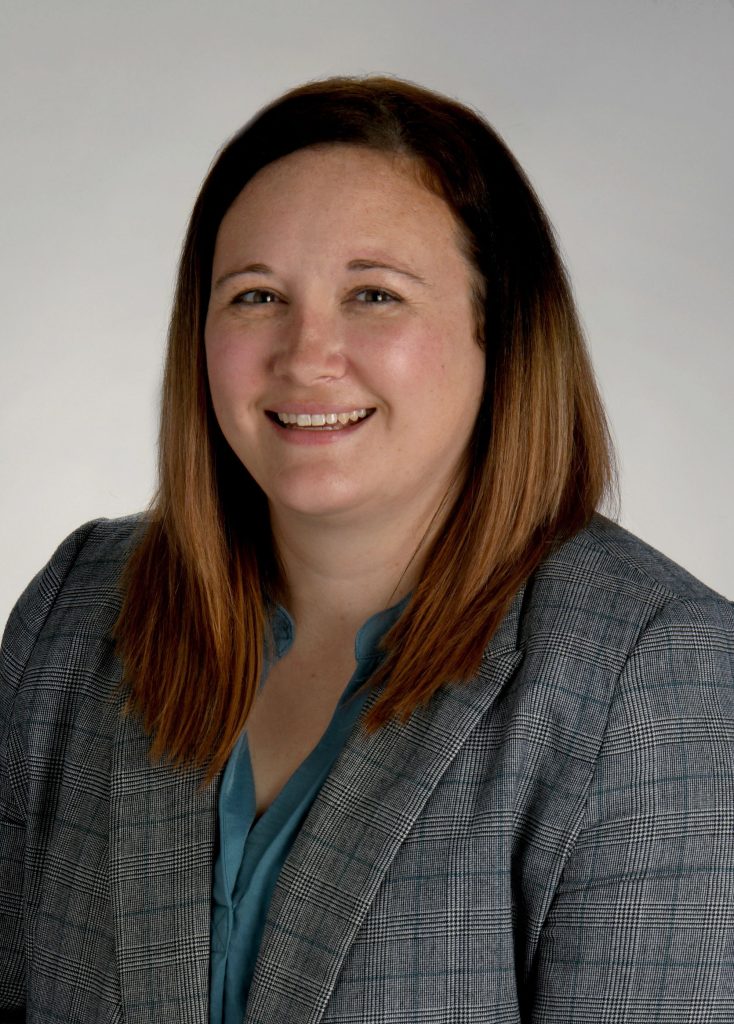
I’ve lived with type 1 diabetes since age 7. I have firsthand experience navigating the health care system, insurance hurdles and medical bills. This experience influenced my decision to become a researcher focused on Alzheimer’s disease and dementia, as diabetes is a significant risk factor for these conditions. Kansas is fortunate to be home to the KU Alzheimer’s Disease Research Center, a nationally recognized leader in brain health and energy metabolism research funded primarily by the National Institutes of Health. The center places a strong focus on training new health care providers and biomedical researchers to serve Kansans throughout the state, including programs focused on rural health care.
The KU ADRC has developed several training programs, including provider training, clinical fellowship programs and a brain health training program. The center’s faculty teach students, conduct research and provide service to the community. Research spans basic science and discovery, clinical research and clinical trials focused on understanding, treating and preventing Alzheimer’s disease and dementia.
Additionally, the KU ADRC offers several programs to support the community. Programs like MyAlliance established a network to connect people living with dementia, caregivers, and providers through weekly webinars, education and resources, while the Lifestyle Empowerment for Alzheimer’s Prevention program empowers participants to take control of their lifestyle to improve their brain health and help prevent Alzheimer’s disease.
The work of the KU ADRC is made possible through essential state and federal investment. Federal taxpayer dollars support research and programs that advance health and extend life for Kansans. State funding provides the backbone for KU Medical Center—supporting facilities, salaries and the education of future researchers and health care providers.
Without this support, these programs—and the people who rely on them—are at risk. Nearly all of us know someone affected by Alzheimer’s disease or dementia. The research, education and outreach happening at KU Medical Center are not abstract academic pursuits. They are acts of service meant to help the people we love, right here in Kansas.
Today, this work is at risk as funding for medical research faces serious challenges. Please consider speaking with your state and federal elected officials to maintain or increase funding for education and research for all Kansans, especially your loved ones. These investments save lives, strengthen our communities and create opportunities for young Kansans, like me, to build careers serving their home state.
Heather M. Wilkins, is an associate professor of neurology at the University of Kansas Alzheimer’s Disease Research Center.