Pasture mealybug threatens Texas grasslands and forage
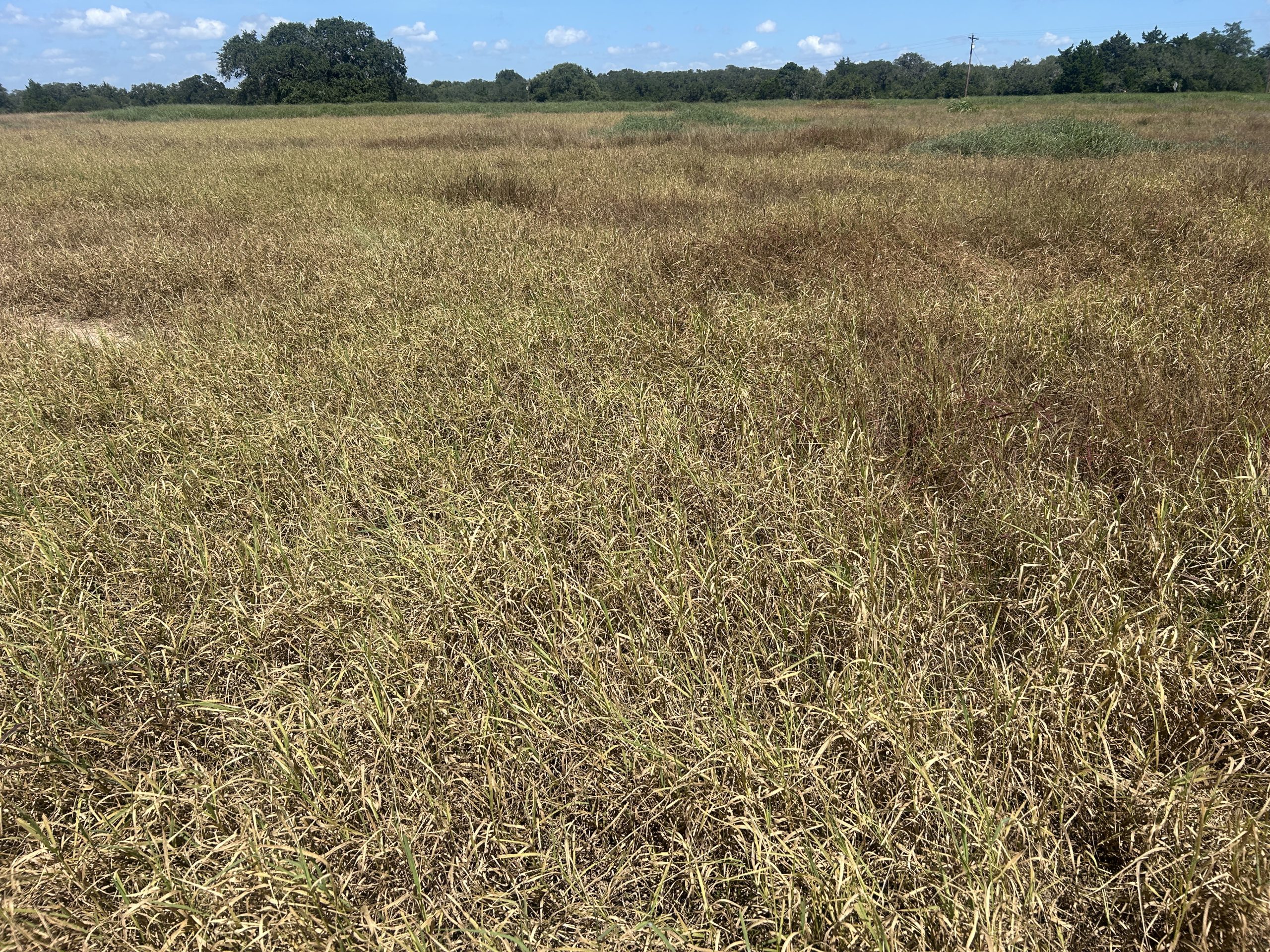
Texas grasslands are facing damage from a pasture mealybug infestation that could cost producers hundreds of millions of dollars or as much as $1 billion, according to David Kerns, Texas A&M AgriLife Extension entomologist.
Although pasture mealybug was first confirmed in July 2025, Kerns believes it could have been in Texas as early as 2022 without being detected.
One reason the pest went undetected may be because populations initially were small. Browning vegetation and dying grass also were often attributed to drought conditions, Kerns said.
The origin of pasture mealybug is unknown, although Kerns believes the insects could be native to Southeast Asia. How they reached the United States also remains unclear.
“Pasture mealybug was first described in the 1920s in Australia, and then it showed up in the Caribbean in 2019 or 2020, and later in Mexico and Texas,” he said.
Infested areas
Texas has the majority of confirmed pasture mealybug cases. Kern said there are 95 counties in the southern, eastern and central parts of Texas where the insect has been found. Other states where it has been found include Louisiana, Florida and Georgia.
Because the pest is new to the U.S., researchers are still learning about its characteristics and behavior. Kerns said pasture mealybugs thrive in hot, humid conditions and in dense, tall grass canopies. The pest has been found in forages including Bermuda grass, haygrazer and bluestem.
Pasture mealybugs have not been found in the High Plains, Kerns said. Based on current research, it is unclear whether conditions in north and west Texas, Oklahoma, Kansas, and surrounding states will be conducive to the pest.
“Once you get further west, the grass tends to spread out more and doesn’t get quite as tall, so it might not make it to those areas,” Kern explained.
Characteristics of pasture mealybugs
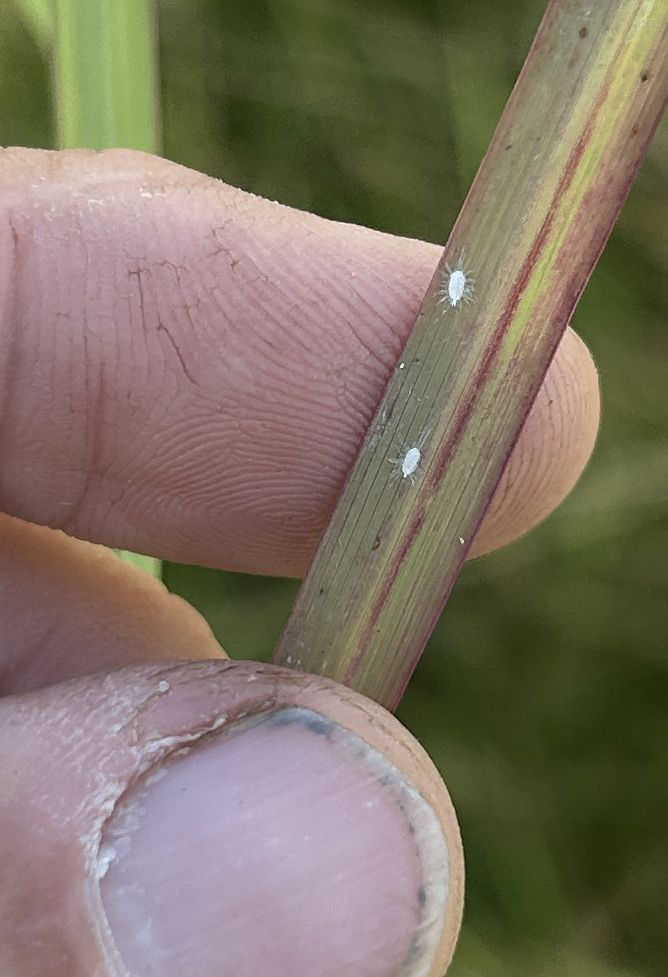
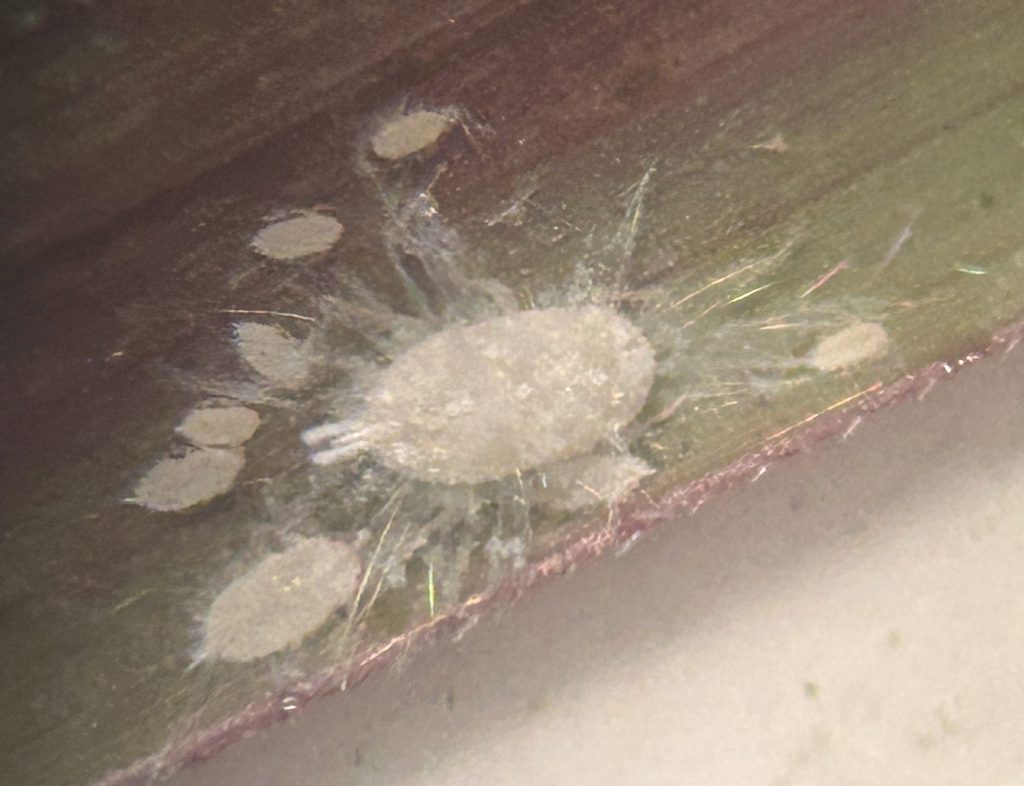
The adult female pasture mealybug is the easiest to spot. It is wingless, oval-shaped and a few millimeters in length. Kerns said the females are covered in a white, waxy material that makes them look fluffy. This fluffy material can be seen on pantlegs after scouting infested fields.
Females and larger nymphs are the most common pasture mealybugs to be observed. Adult males are winged, smaller and narrower than females. Kerns said males are rarely observed. Nymphs are extremely small, measuring two-tenths of a millimeter.
“We had an image of a penny, and I think the date on the penny was 2009, and that nymph could fit inside the zero on that penny. The little early instar nymphs are virtually impossible to see.”
Kerns said most plant damage is caused by nymph feeding. The adult females contribute to feeding damage to a lesser extent, but researchers are unsure if the males feed on grass at all.
He compared pasture mealybugs to mosquitoes in the way they feed on grass. They have sucking mouthparts and when they feed on grass or leaves, they salivate back into the plant. The saliva is toxic, and it kills the plant.
Symptoms of pasture mealybug
The first sign of pasture mealybug is yellowing grass, which is often subtle and difficult to diagnose. Kerns said as symptoms progress, the grass will start turning a red hue, and even purple in some cases.
“Then it starts dying, and it’s not like it just kills the top. It kills the whole plant,” he explained. “These insects are not just in the foliage. They really like to be on the ground, down in the thatch, and they’ll be on the roots. They’ll overwinter in the soil, and they’ve been found 3 feet deep.”
Kerns said pasture mealybugs can cause problems the following forage year if they are not addressed. He said pasture mealybugs will return as long as there is a host to feed on. The pest can become more of a challenge with rainfall in late summer and fall. He has seen them kill grass in the fall without producers realizing it.
“Maybe you’re not planning on cutting it for hay, but you still want to control the pest because otherwise they may kill everything going into the winter, and you just might not have good forage in spring,” he said.
Treatment
After Texas A&M AgriLife’s research and field trials showed the insecticide Centric 40WG provided consistent and effective control of pasture mealybug, the Environmental Protection Agency granted an emergency exemption label for its use in Texas pastures.
Kerns said in addition to using Centric 40WG, producers are also encouraged to cut or bale tall, dense grass, which discourages pasture mealybug from invading pastures. He recommends treating with insecticide when the grass regrows.
“I think that’s probably the best strategy, if you can do it,” he said.
For scouting, Kerns recommends laying grass over and looking on the underside of the leaves, in the thatch and within the soil for white females or larger nymphs. He said they can often be found crawling in soil and are easier to see there.
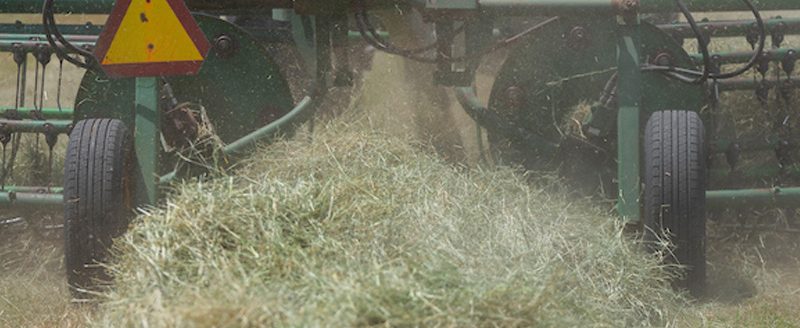
“We think it’s probably primarily spread through wind, but they have been moved on haying equipment or mowers, and even livestock can move them. They’ll stick to their legs.”
Through Texas A&M AgriLife’s research on pasture mealybug, Kerns has learned these insects are slow movers on their own, but can spread in a variety of other ways.
The future of the pasture mealybug
Kerns believes pasture mealybug will most likely be a pest that sticks around and will be another insect producers must manage each year. However, he hopes some predators will develop an appetite for the pasture mealybug, reducing their populations and the damage to forages.
“A lot of times when these pests first come on like this, they’re extremely severe,” he said. “Then after three or four years, they’ll get natural enemies,” Kerns said. “Predators kind of have to learn that there’s a new food source, and build that natural enemy complex up, and then after they get used to this new food source, then they’ll really step in and for the most part control them.”
Kerns said his team plans to conduct additional research on identifying insecticides that would be useful in managing pasture mealybugs and how to properly time applications. would like to research when these insects emerge from overwintering.
“We also need to develop a better understanding of what grasses we grow in Texas and the varieties that are a little bit more tolerant to pasture mealybug,” Kerns said. “We haven’t seen anything that we’d say is resistant, but there’s definitely differences in susceptibility, even among the Bermuda grasses.”
Kerns said some Bermuda grass varieties, such as Tifton 85, are extremely sensitive. He said some other Bermuda grass varieties have held up against pasture mealybugs longer, but eventually die if they are not treated.
Kerns asks anyone in a county or state where pasture mealybug has not been confirmed to notify his or her county Extension agent to help researchers track the pest’s spread.
Lacey Vilhauer can be reached at 620-227-1871 or [email protected].