Cattle marketing starts with knowing the buyer
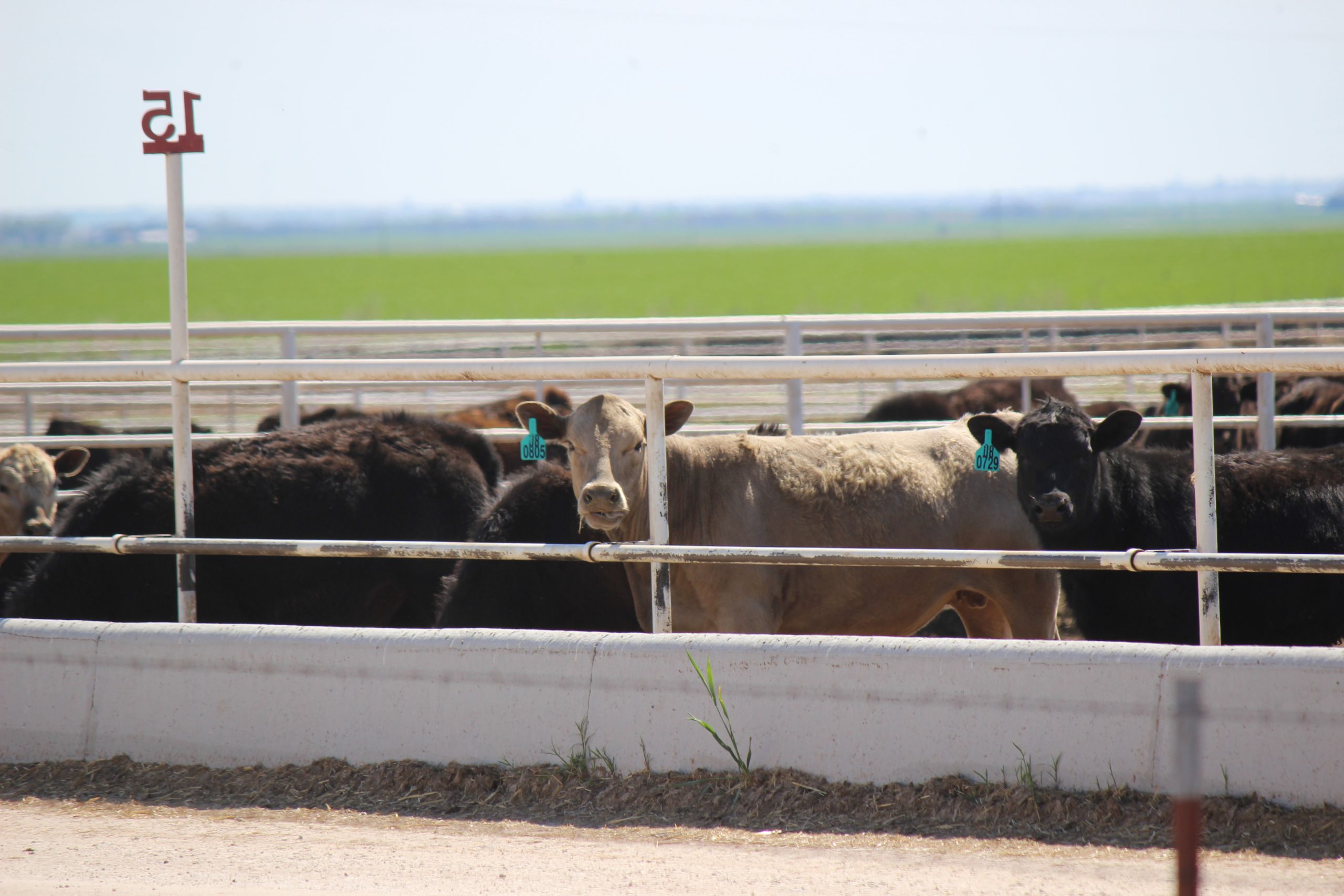
With beef cattle continuing to command high prices, producers have opportunities to add value through marketing decisions and price-risk management, according to Stephen Koontz.
Koontz, professor and Extension specialist in the Department of Agricultural and Resource Economics at Colorado State University, said understanding what buyers want and producing quality, uniform groups of cattle can create opportunities for high-value livestock.
Quality and uniformity matter
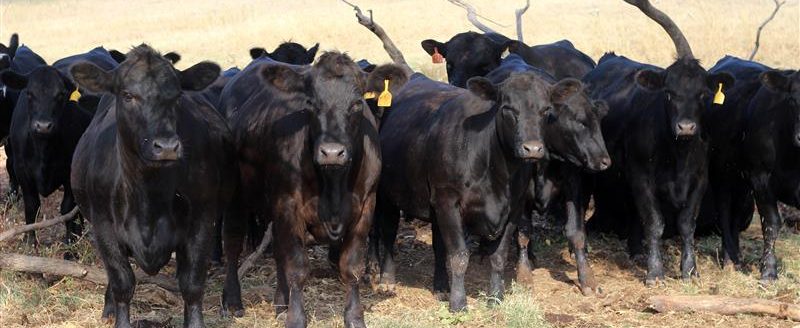
According to Koontz, producers often think in terms of averages when evaluating a group of cattle, but individual animals within a pen can have substantially different values. He said the differences in value can be as much as $400 to $500 per animal.
That variability within cattle groups remains a challenge, which can lead to major discounts. In a group of 100 calves, Koontz said at least four could perform poorly and be heavily discounted, while two or three could be considered exceptional.
“The premiums rarely outweigh the discounts unless your whole management system is designed to source the right cattle, get them in the right grid, and do the right thing with them,” Koontz said. “There’s lots of ways to mess up cattle, and there’s only a few ways to do them right.”
Koontz said producers seeking additional value need a management system designed to produce cattle that meet the requirements of the buyer and the grid. Downstream buyers want predictable supplies and known quality characteristics, sometimes rewarding producers who provide them with consistent cattle that fit their needs.
Marketing options
Most cow-calf producers bundle cattle and sell them through a sale barn on a dollars-per-pound basis. Koontz said there are also premiums available for certain health-management practices.
He encouraged producers to examine premiums associated with practices such as dehorning, castration, and implanting, while continuing to follow appropriate health-management practices and Beef Quality Assurance practices.
Direct marketing to feedlots provides another option, particularly for producers with enough cattle to work directly with feedlot buyers.
Koontz said feedlots have invested in information systems over the past 20 years to track where cattle originate and how they perform in the feed yard. That information can help them identify cattle that perform well and seek them out again.
“If those cattle made me $3 this year, I’ll pay $2 to get them next time,” Koontz said.
For producers, Koontz said understanding the buyer is an important part of marketing.
“Worry about the buyer,” he said. “Try to figure out what animal, what kind of animals do they want, when do they want them, and get them those in sufficient batches that they can manage them well.”
But as operations grow, Koontz said it can become worthwhile for producers to learn which feedlots are buying their cattle and regularly communicate with those buyers.
Koontz said producers should seek information about how cattle graded and yielded, as well as which animals grew well and which did not. That information can help producers learn more about their cow herd and identify cows producing calves that perform well for buyers.
Retaining ownership
Another option is retaining ownership, although Koontz does not recommend it in the current market. Retaining ownership further downstream means taking on the risk associated with how cattle are managed.
“Take the money and run would be my advice,” Koontz said.
He said feedlots are paying high prices relative to what they receive for fed cattle, while packers are paying high prices relative to what they receive for beef. Koontz pointed to Tyson’s losses during the past two years and its decisions to close plants as evidence of problems within the system.
“They’re willing to write off million-dollar plants to not have any more losses,” he said.
The cow-calf producer is the residual claimant in the cattle market, Koontz said, meaning returns reach the producer after money moves through the rest of the system.
He said retaining ownership can make sense when producers expect to receive less than planned from selling cattle, but only when the cattle are on the higher-quality side.
Managing price risk
Risk management is another consideration. Koontz called not buying Livestock Risk Protection the biggest marketing mistake a cattle producer can make right now.
He said LRP is essentially a subsidized put option. Producers who purchased LRP from April to June should receive a payment this fall, he added.
Koontz also said producers who understand LRP well should consider buying additional put options for price protection for calves.
“I think one important thing in this market environment where calves are so valuable is to not treat the cow-calf operation as a part-time operation,” Koontz said. “That’s where the big money can be made. Make sure you do the nickel-and-dime efforts on health and well-being.”
Herd rebuilding remains uncertain
Historic low cattle numbers remain; but the future of the herd rebuild remains uncertain, Koontz said. Producers have to decide to begin rebuilding before the resulting increase in cattle numbers can occur because it takes at least two years.
He has doubts about a rebuild starting next year and said drought concerns and higher interest rates could limit expansion.
“I’m going to grow within the confines of what I know I have for grass and money,” Koontz said.
Economic, political and environmental uncertainty also could make producers reluctant to invest in rebuilding, even if they believe better returns could be available two or three years in the future.
“People have to be in a position where they want more money in two years and three years than they can get this year. I don’t think we’re set up for that now,” he said.
Lacey Vilhauer can be reached at 620-227-1871 or [email protected].